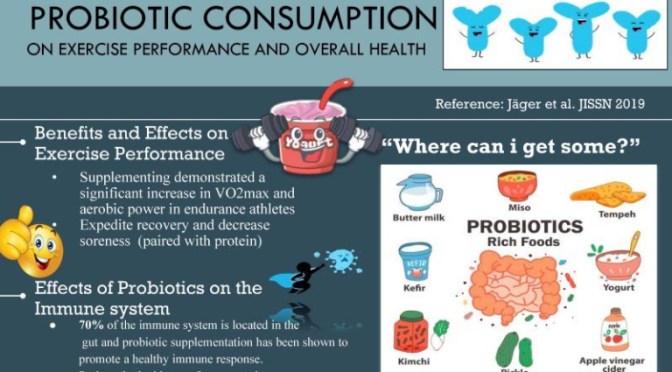
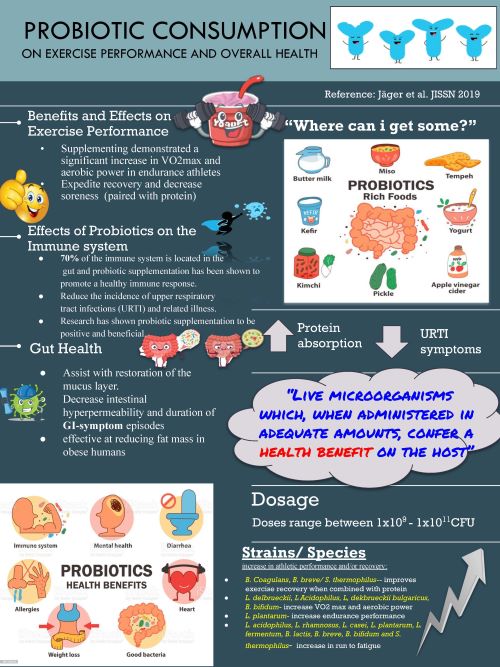
INFOGRAPHIC: ‘BENEFITS OF PROBIOTICS’ ON EXERCISE PERFORMANCE & HEALTH

In this episode of the JIM Podcast, Editor-in-Chief Richard McCallum speaks with David Cistola of Texas Tech University Health Sciences Center El Paso about American Diabetes Month.
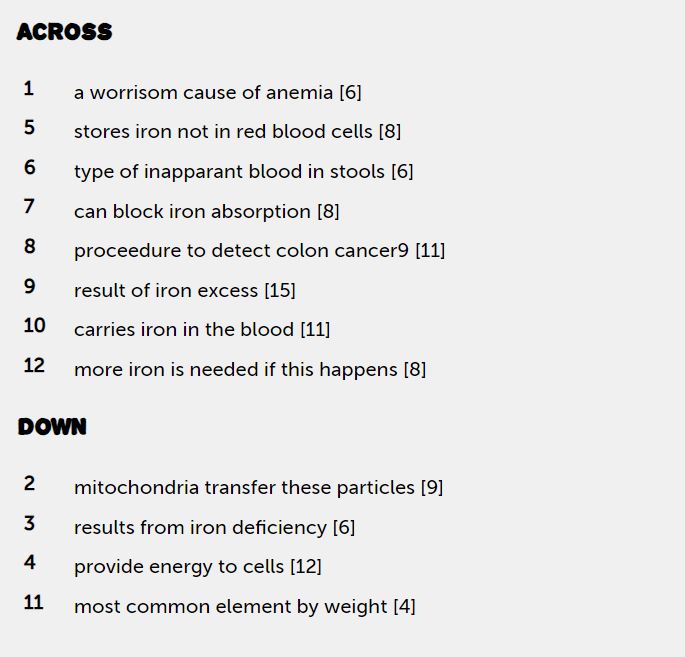
Iron is the most common element, by weight, on earth, so it should come as no surprise that it has evolved to be an essential component in the mechanism that is life.
The ENERGY of the eukaryotic cell is dependent on the Iron in mitochondria, which are elaborate electron-transfer mechanisms. To quote Nobel Laureate Albert Szent Gyorgyi, “Life is nothing but an electron looking for a place of rest”.
Iron is essential, so it is possible to have too little of it. There is no physiologic pathway to get rid of it and so you can have too much iron in your body, which comprises a disease called Hemochromatosis. Excessive Iron can be TOXIC to the body, and produce damaging free radicals.
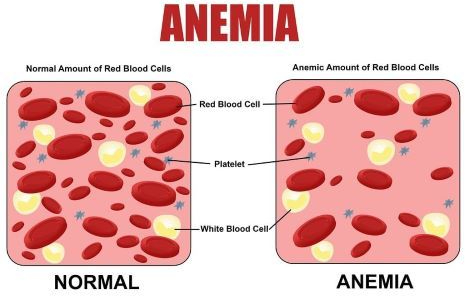
Deficiency of iron will produce ANEMIA. Regulation of incoming Iron is the body’s way of keeping excessive Iron out. It is absorbed only in the upper part of the small intestine, and a special protein called Hepcidin can block it from release into the circulation. It is carried through the blood by Transferrin and also Ferritin, which stores the iron that is not in the hemoglobin of RED BLOOD CELLS, the main storehouse of iron.
Blood loss is a common problem which leads to increased Iron requirement, This is reflected in the increase in RDA of Iron in Women during their menstruating years. Colonic Cancer, among other conditions, can also bleed and lead to the anemia of Iron deficiency. This is the reason for Doctors ordering a test for “occult”, or hidden, blood in the stools. My reason for taking Iron is a continuing loss of blood from the small intestine.
I have had multiple colonoscopies and Gastroenteroscopies to rule out cancer and other blood-losing conditions in the lower and upper intestinal tract. The small intestine is the “silent” area to gastroenterologists, and I cannot have the Capsule/camera examination because of my small bowel surgery.
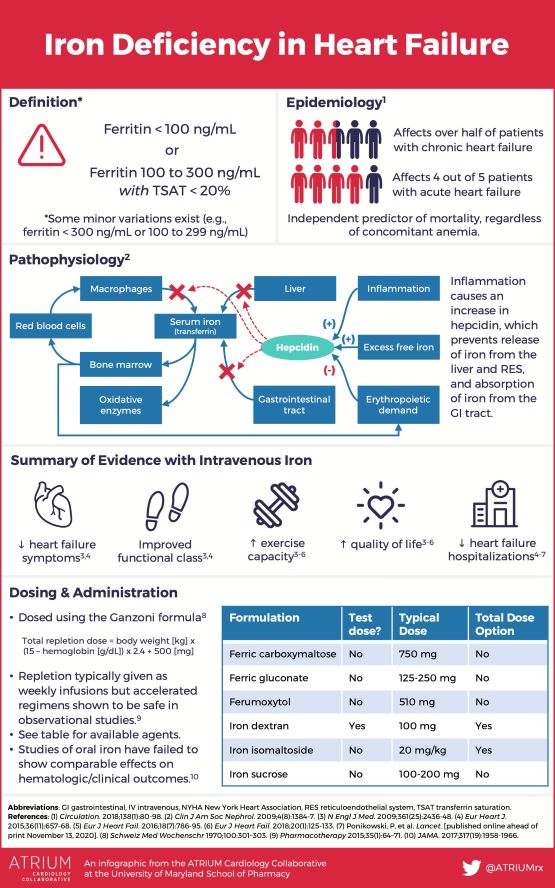
I must take extra iron, and hope that this will be sufficient to keep me from developing anemia again. Green vegetables and red meat are more satisfactory sources, but insufficient for me. I worry a little about the recent finding that Heart Failure has been associated with Ferritin levels below 100 ng./ml.
I struggle to keep mine at 50 ng. by taking 2 tablets of feosol daily and dealIng with the subsequent constipation. An ANNUAL PHYSICAL and laboratory examination is important for the maintenance of health. Enough Iron and blood are important factors for vigorous Well-being. —
INFOGRAPHIC:

The COVID-19 mortality rate is falling around the world. We discuss the reasons behind this – the role of new drugs, the treatment strategies the have been learned, or re-learned, and the ever-present worry that these hard won victories could be undone by rising infection rates.
In this episode:
00:44 An increase in survival rates
The COVID-19 mortality rate is falling around the world. We discuss the reasons behind this – the role of new drugs, the treatment strategies the have been learned, or re-learned, and the ever-present worry that these hard won victories could be undone by rising infection rates.
News Feature: Why do COVID death rates seem to be falling?
10:53 More vaccine good news
This week, Moderna released preliminary results for its COVID-19 vaccine candidate, the third positive indication from a string of vaccine announcements. Although the full data are yet to be published, do these results give us more reasons to feel hopeful?
News: COVID vaccine excitement builds as Moderna reports third positive result
DR. C REVIEWS MAJOR HEALTH AND TELEMEDICAL NEWS FOR THE WEEK ENDING NOVEMBER 15, 2020.

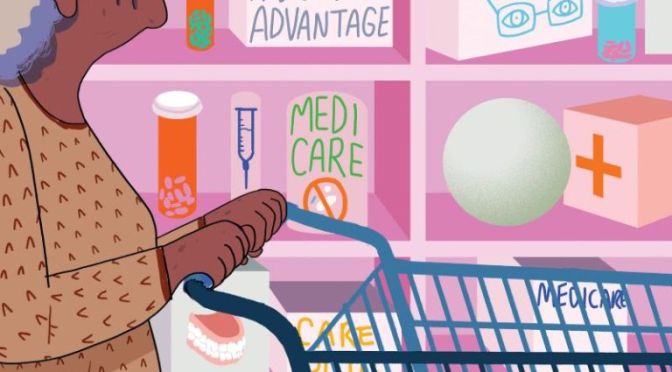
If you’re enrolled only in original Medicare with a Medigap supplemental plan, and don’t use a drug plan, there’s no need to re-evaluate your coverage, experts say. But Part D drug plans should be reviewed annually. The same applies to Advantage plans, which often wrap in prescription coverage and can make changes to their rosters of in-network health care providers.

“The amount of information that consumers need to grasp is dizzying, and it turns them off from doing a search,” Mr. Riccardi said. “They feel paralyzed about making a choice, and some just don’t think there is a more affordable plan out there for them.”

When creation of the prescription drug benefit was being debated, progressive Medicare advocates fought to expand the existing program to include drug coverage, funded by a standard premium, similar to the structure of Part B. The standard Part B premium this year is $144.60; the only exceptions to that are high-income enrollees, who pay special income-related surcharges, and very low-income enrollees, who are eligible for special subsidies to help them meet Medicare costs.
“Given the enormous Medicare population that could be negotiated for, I think most drugs could be offered through a standard Medicare plan,” said Judith A. Stein, executive director of the Center for Medicare Advocacy.
“Instead, we have this very fragmented system that assumes very savvy, active consumers will somehow shop among dozens of plan options to see what drugs are available and at what cost with all the myriad co-pays and cost-sharing options,” she added.
Advocates like Ms. Stein also urged controlling program costs by allowing Medicare to negotiate drug prices with pharmaceutical companies — something the legislation that created Part D forbids.
COMMENTARY
Medicare is a blessing. It is a great help to retired and elderly people and generally does the job it was intended to do. There are a great variety of Medicare supplement plans and pharmaceutical purchase plans, And they jockey and change every year.
I get a headache just thinking about how to compare these plans from my individual needs and and whether their cost is worth it. The take-home message from the New York Times article is that you can get individual attention from an advisor who presumably knows the field well.
The key acronyms are SHIP and HICAP, which stands for state health insurance assist program and California health insurance counseling and advisor program respectively.
The California number is 1-800-434-0222. Be sure to write down the medications that you are taking and Your diagnosed illnesses, as well as your financial status in order to make best use of the service.
—Dr. C.







 Doctors Without Waiting Rooms