
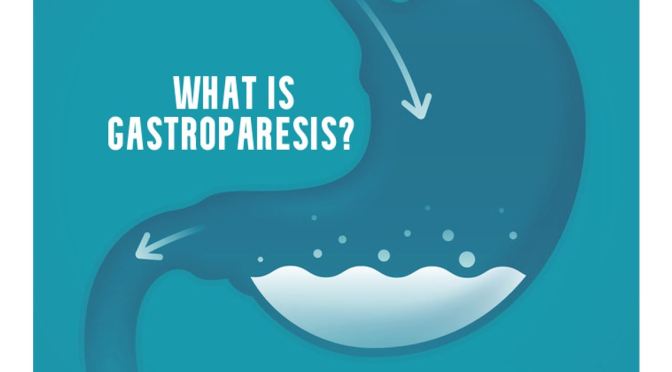
Gastroparesis is a condition that causes delay in the emptying of food from the stomach. This can cause uncomfortable symptoms like nausea, vomiting, and abdominal pain, and can affect #nutrition and quality of life: https://t.co/f3YucXpe7E #HarvardHealth pic.twitter.com/I1ADK1eZkm
— Harvard Health (@HarvardHealth) November 17, 2021
Category Archives: Resources
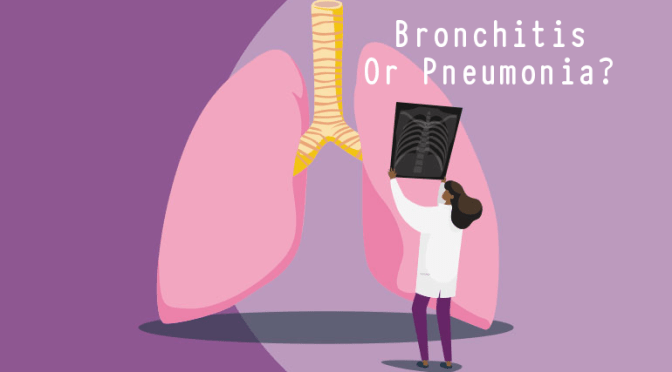
Bronchitis Or Pneumonia: What Is The Difference?

DOCTORS PODCAST: MEDICAL & TELEHEALTH NEWS (NOV 14)
A weekly podcast on the latest medical, science and telehealth news.
Infections: Cryptococcus Neoformans (Fungi)
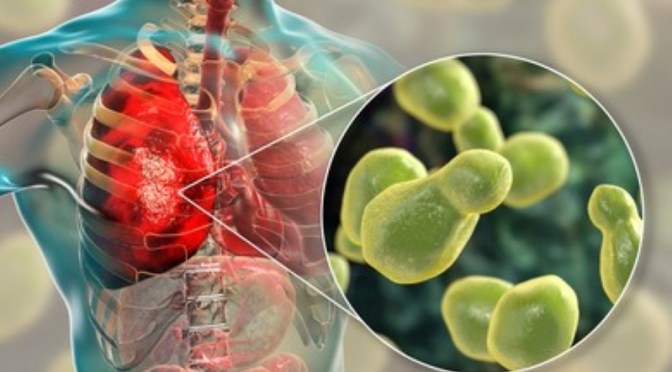
Cryptococcus neoformans and gattii are fungi that most commonly infect people with immunodeficiency, especially AIDS, which is highly prevalent in Africa. Cryptococcus is the final cause of death in perhaps 25% of AIDS patients and preventative treatment is sometimes used if the lymphocyte count is too low.
It is an opportunistic fungus, with similarities to pneumocystis carina, which is discussed in a previous entry.

The areas in the body most commonly affected are the lungs, the skin, and the brain. The lung and skin, being exposed to the environment, are the most common entry points for the fungus, and the brain is a frequently involved area. Chronic meningitis, where the symptoms include headache, blurred vision, and confusion, is frequently caused by cryptococcus.
Sometimes, in healthy people, the skin can be infected with “pigeon breeders disease”. Pigeon droppings are a very common source of cryptococcus organisms.
Infection In the lung is usually restricted to immunocompromised individuals, who develop cough, shortness of breath, and fever. Pulmonary cryptococcosis is a slowly developing disease, can be mistaken for tuberculosis, and frequently gets into the bloodstream and then into the brain.
Treatment is usually with amphotericin B and flucytosine.
—Dr. C.
Read more
DR. C’S JOURNAL: IT PAYS TO BE KIND TO YOUR STOMACH
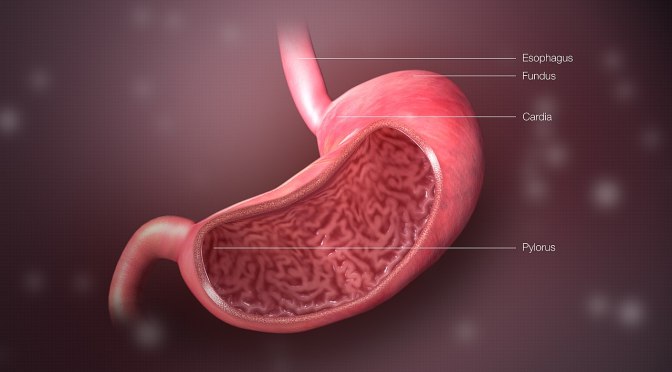
This whipping boy of humanity is regularly insulted by all sorts of concoctions dictated by our taste buds and psyche, not to mention the many drugs required to treat our poor health. It is amazing how much abuse it can absorb with minimal complaint.
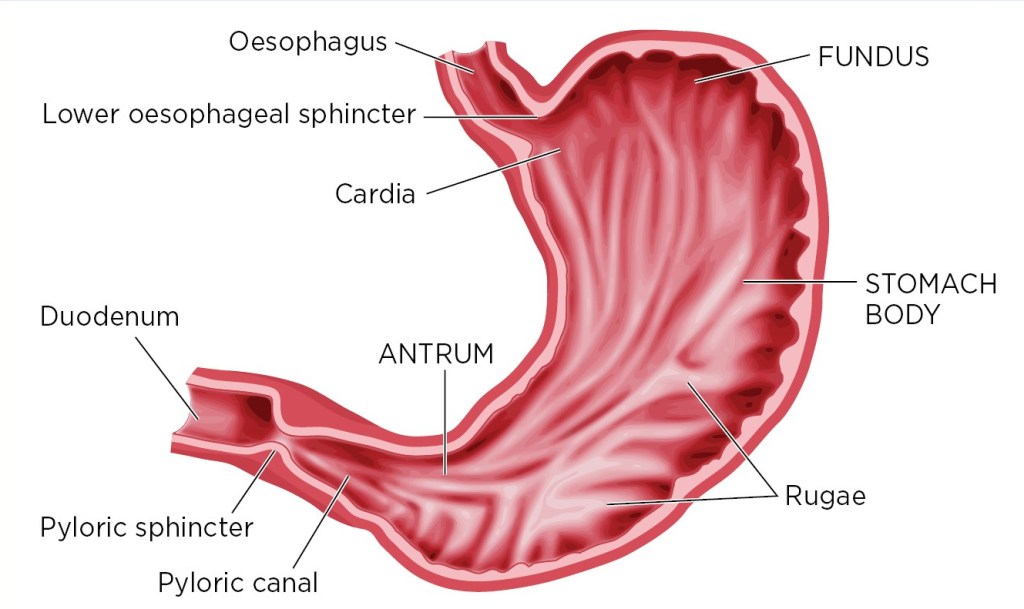
The stomach has evolved as a “fiery pit” of high acid content to intercept various bacterial invaders. Fortunately a few escaped to populate our intestinal tracts, where they are mostly beneficial. One bacterium in particular evolved to tolerate the high acidic conditions of the stomach, like extremophile bacteria tolerate the “smoking vents” underneath the sea. This is the famous helicobacterium pylori, which caused most gastric ulcers in the early days of my medical career. Ulcers were then treated by an ongoing special diet. Now they are treated by a simple course of antibiotics.
The stomach evolved a special lining to tolerate the acid, and a valve to keep it in place. Over time this valve may weaken, allowing the acid to reflux back into the swallowing tube, the esophagus. This produces the familiar heartburn that most of us have experienced, and if chronic, can produce inflammation and the condition called Barrett’s esophagus, which frequently leads to gastric cancer.
Gastric cancer comprises only about 1.5% of cancers in the United States, but in Korea it is the most common cancer. This may be because of the Korean diet, Which often finds nitrites in close proximity to proteins, which donate an amine group to form the carcinogen nitrosamine.
I have begun a time restricted eating program, where I eat my entire days food within a six hour window. My stomach has seemed to tolerate this, but I have noticed that when I eat a lot of fat late in the day (I like half-and-half on my oatmeal) my stomach will object. Alcohol does the same thing, and when I was in medical school we used to give a dose of alcohol to stimulate stomach acid production, as a test.
If you have a lot of pain in the area of the stomach (the epigastrium), chronic heartburn or trouble swallowing chunks of meat, you may well need to see a gastroenterologist, who will look into the esophagus and stomach to check for problems.
Please check the following Mayo clinic articles for more information.
—Dr. C.
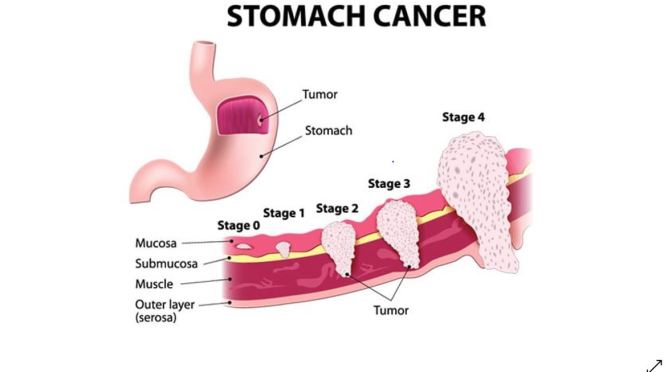
Prevention: Risk Factors For Stomach Cancer
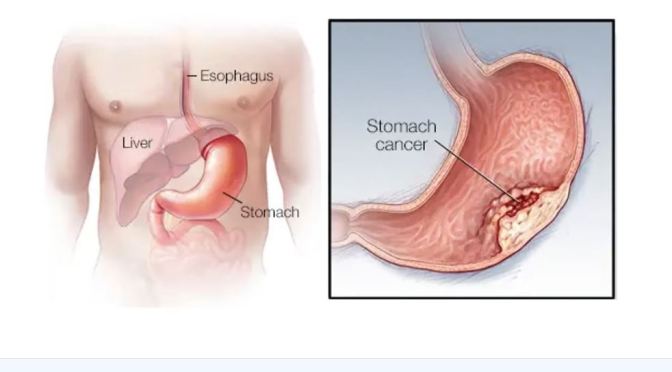
Oncology: Symptoms & Signs Of Stomach Cancer
Stomach cancer, also called gastric cancer, is an abnormal growth of cells that begins in the stomach. It can affect several areas of the stomach, including the main stomach lining or where the esophagus meets the stomach.
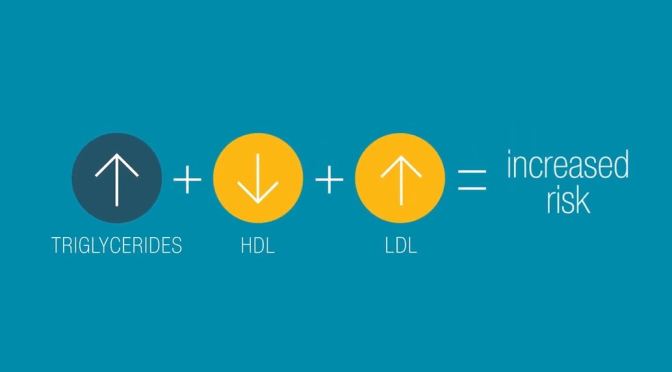
Heart Health: What Is Cholesterol? (AHA Video)
There are two types of cholesterol: LDL cholesterol, which is bad, and HDL, which is good. Learn why too much cholesterol and elevated triglycerides can lead to heart disease and stroke. Make it a priority to have your cholesterol checked.
DOCTORS PODCAST: MEDICAL & TELEHEALTH NEWS (NOV 7)
A weekly podcast on the latest medical, science and telehealth news.
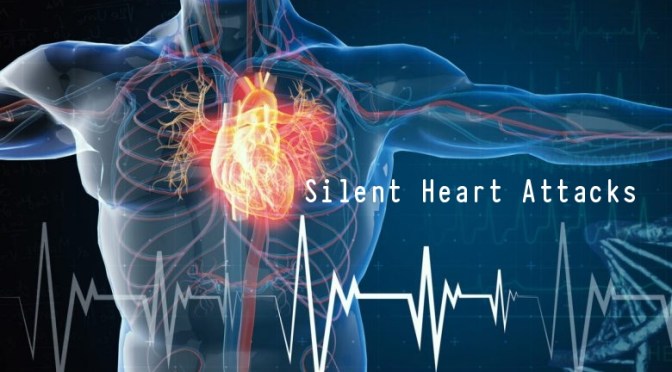
DR. C’S JOURNAL: SIGNS OF A SILENT HEART ATTACK
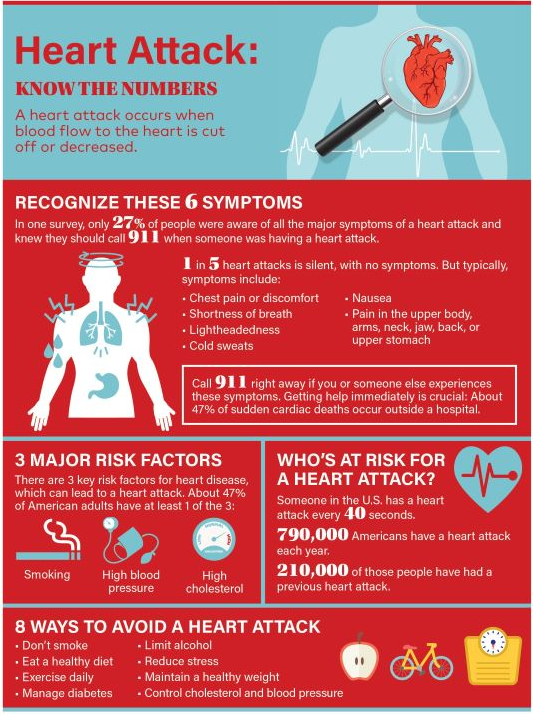
Heart attacks are something that most people know about; the sudden severe chest pain, radiating into the jaw or left arm, associated with shortness of breath, nausea, and the like. However there’s a lot of confusion also; not all heart attacks have typical symptoms (silent heart attacks). Some significant chest pain is not due to a heart attack, and some significant cardiac disease is something different from a heart attack.
I will cover these three scenarios one at a time, beginning with the most dangerous, the silent heart attack.
The silent heart attack has the same effect as the more typical variety, and is caused by blockage in the coronary arteries, which interferes with oxygen and glucose delivery, and causes death of heart muscle. It occurs under physically or emotionally stressful circumstances, particularly in the cold. It may be more common in women, and accounts for at least half of all heart attacks.
Risk factors are identical to those of a regular heart attack, and include being overweight, diabetic, not exercising regularly, having high blood pressure, high cholesterol or smoking cigarettes.
The symptoms may be Flu like, fatigue, indigestion, and perhaps a soreness in the chest, upper back, arms or jaw. My mother-in-law died in my house after a stressful incident, and was heard to be vomiting in the middle of the night. My father had inordinate fatigue and paleness, which caused my mother to take him to the doctor, who sent him by ambulance for a bypass operation.
Many silent heart attacks are discovered when the doctor takes an electrocardiogram in the course of an examination. This is a good argument for the regular physical examination, since having a silent heart attack increases the likelihood that you will have another.
The frequency and seriousness of heart attacks is of course an excellent argument for proper sleep, diet, exercise, and other good preventative habits.
—Dr. C.
 Doctors Without Waiting Rooms