
A weekly podcast on the latest medical, science and telehealth news.
Category Archives: Opinion
DOCTORS PODCAST: MEDICAL & TELEHEALTH NEWS (JUN 18)
A weekly podcast on the latest medical, science and telehealth news.
DOCTORS PODCAST: MEDICAL & TELEHEALTH NEWS (JUN 13)
A weekly podcast on the latest medical, science and telehealth news.

DR. C’S JOURNAL: TIMING IN HEALTH AND MEDICINE
Timing is important in everything we do, and of course is important to health and how our bodies function. It is a vast subject, and the only thing I can do here is to give you some ideas that might be helpful.
Your body will perform best for you if you have a daily routine; waking up at the same time every morning, and going to bed at the same time every evening keeps your circadian rhythm from getting confused. Of course, getting a good nights sleep is excessively important to your health. If you have trouble going to sleep at night or staying asleep, you can get all kinds of information over the Internet on “sleep hygiene”.
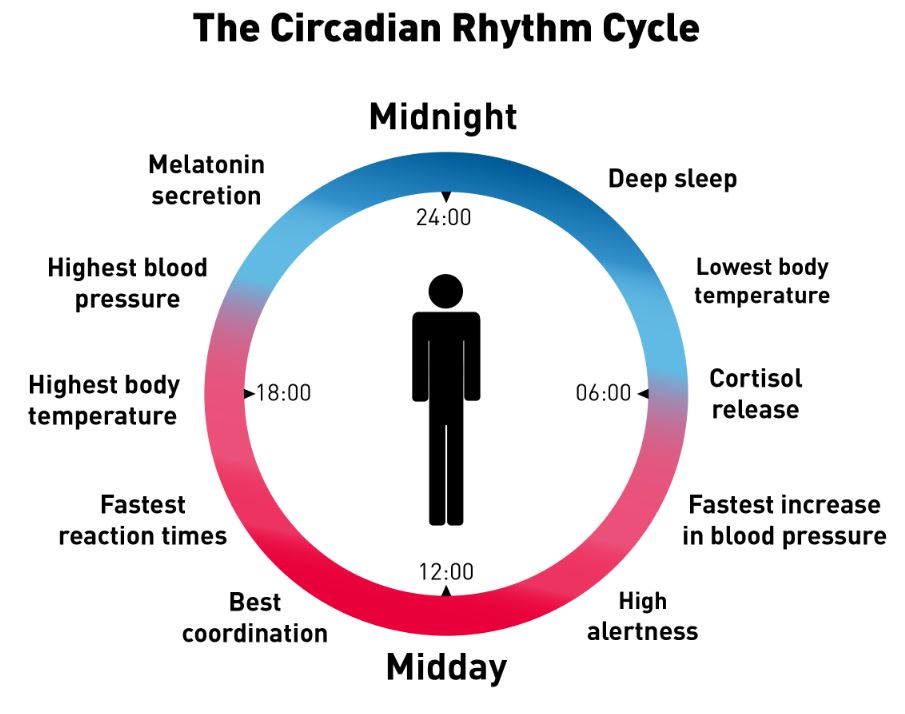
If you are an international traveler, jet lag is very important because the circadian rhythm is disrupted when you change time zones. The Internet is a rich source of information on how you might or rapidly get back into your routines. Timing of bright light and melatonin are involved.
Your metabolism also has a routine, and drugs work by targeting certain receptors, which cycle, depending on when their function is needed. “ Chronopharmacology” is a slowly developing science that will someday-if doctors, perhaps with electronic help, can ever get enough time to properly take care of the patients- be very important. As an example, certain cancer therapies vary significantly in their effects, depending upon the time of day they are given.
When I was a practicing Allergist, I took care of many Asthma patients. In the 60s and 70s there were few drugs to treat asthma, which is predominantly a nighttime disease. Giving medications, such as Theophylline, at the right time was therefore very important.
Finally, if you have any choice, you might arrange for your surgery during the first half of the day. Surgeons make less errors in the morning, when their minds are well rested.
—Dr. C.
DOCTORS PODCAST: MEDICAL & TELEHEALTH NEWS (JUNE 4)
A weekly podcast on the latest medical, science and telehealth news.
DOCTORS PODCAST: MEDICAL & TELEHEALTH NEWS (MAY 30)
A weekly podcast on the latest medical, science and telehealth news.
DR. C’S JOURNAL: BENEFITS OF PARATHYROID HORMONE
Hormones, Vitamins, and minerals all have extensive interactions in the give-and-take of the bodies’ ballet of homeostasis. No where is this more clear-cut than the interplay of parathyroid hormone, vitamin D, and calcium.

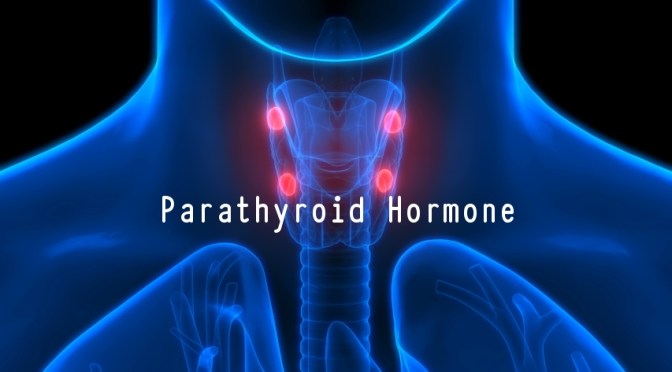
Although it has many other actions in the body, calcium is best known as the prime component of our bones. It is essential for making them healthy and strong. The bones act as a storehouse or vault for the bodies calcium. The parathyroid hormone is the key that unlocks the vault to release the calcium so it can perform its many other roles in the body. An elevation of the calcium in the blood stream shuts down the parathyroid Glands.
Parathyroid hormone also acts to instruct the body to absorb more vitamin D, just as the vitamin D causes the intestinal tract to absorb more calcium. The parathyroid glands are in the upper poles of the thyroid which as we mentioned before sits astride the windpipe.
Sometimes the parathyroid gland develops an adenoma which causes too much secretion of parathyroid hormone.
This results in an excess of calcium in the body and a variety of symptoms, such as joint pain muscle weakness, fatigue, nausea and vomiting. One of the technicians in my medical practice developed hyperparathyroidism. It was detected by a metabolic panel, which showed an elevation of serum calcium.
This discovery, early in my practice, made me a big fan of metabolic panels when patients have general symptoms. Her condition, a parathyroid adenoma, was cured by surgery. Conversely, surgery for an overactive thyroid can sometimes accidentally remove the parathyroid glands if the surgeon isn’t careful. The parathyroid glands are tiny, but they perform a huge function.
—Dr. C.
THE DOCTORS 101 CHRONIC SYMPTOMS & CONDITIONS #40: HYPOTHYROIDISM
Hypothyroidism is a very common hormonal deficiency where there is an insufficient amount of thyroid hormone, T4. The thyroid gland regulates your metabolic activity. If you have insufficient thyroid hormone, everything seems to slow down; Your energy level, your muscle strength, your heart rate, your brain activity, and even your intestinal activity are all slower.
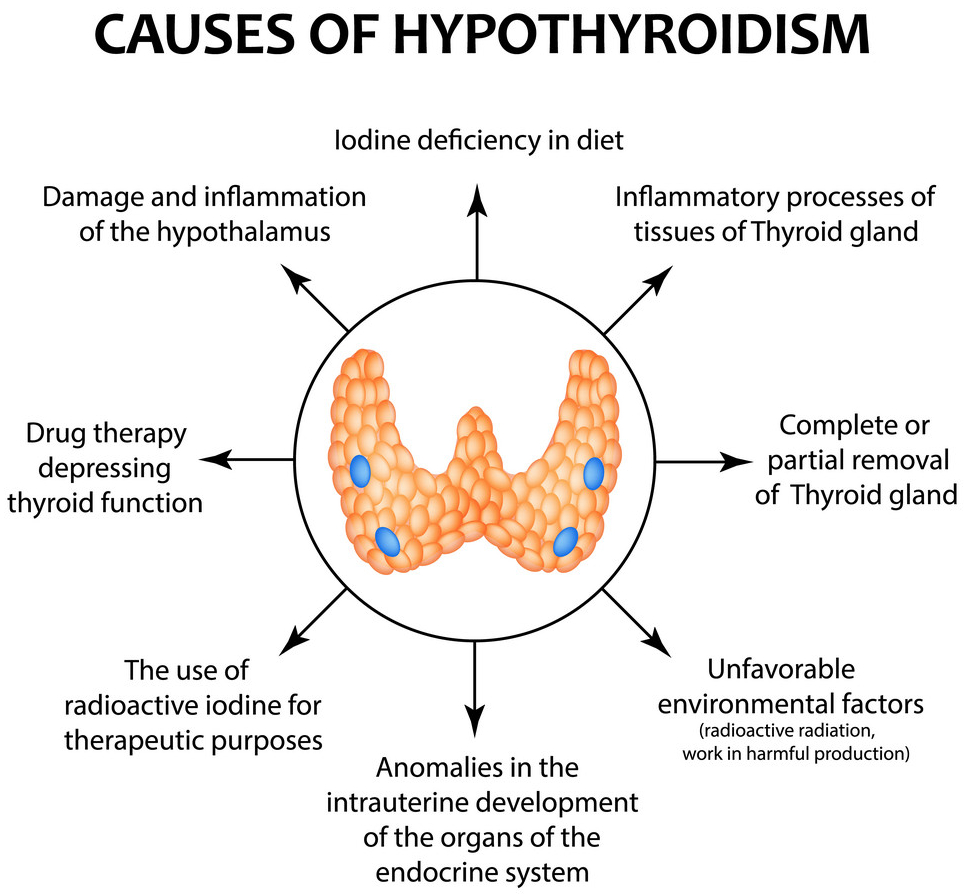
One of my habits in practice was to check the size of the thyroid, which is an H shaped gland astride the windpipe beneath the voice box. It becomes enlarged in a condition known as Hashimoto’s thyroiditis, the most common cause of adult hypothyroidism.
As you recall from the last posting, when the thyroid function is low, the brain causes a release of TSH, which stimulates the thyroid gland. In order to produce more thyroid hormone, the gland enlarges and the examining physician can feel it.
Babies can be born without a thyroid. I had one such patient when I was in training. The baby was inexplicably limp, and did not cry vigorously like other babies. When given thyroid hormone, she developed normally. Such babies often go undetected, don’t grow and become mentally deficient.
The thyroid gland produces thyroxine, which is T4. In the tissues, the T4 is converted into the much more active T3. This is often the medication of choice in hypothyroidism. In giving thyroid Hormonal, the physician must adjust the dose, depending on the patients response. Only after a number of visits is the proper dose found.
Please refer to the Mayo clinic article on hypothyroidism. The use of the TSH as a blood test is also discussed.
—Dr. C.
DR. C’S JOURNAL: STRESS & ADRENALINE (EPINEPHRINE)
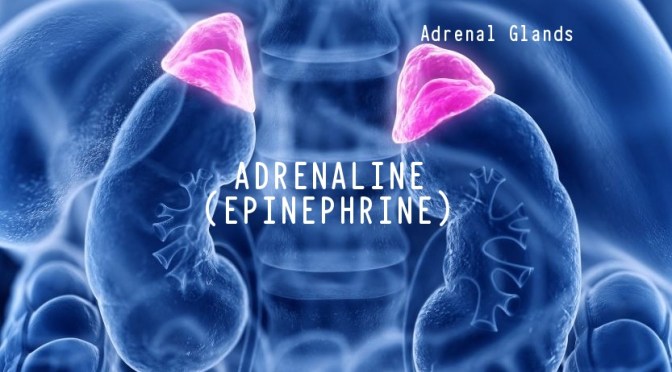
Adrenaline (epinephrine) was first discovered when the adrenal gland was ground up and injected, producing an increase in the pulse rate. it has a myriad of uses, and often In emergencies when speed of injection is of great importance. You may you recall the controversy when the price of EpiPen was jacked up to ridiculous levels.
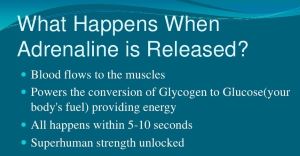
Adrenaline is intimately involved with cortisol in emergency stress reactions. Adrenaline increases cortisol production, and cortisol increases the number of cell membrane adrenoreceptors. Adrenaline is much more rapidly acting, and cortisol sticks around for a while keeping the stress response going.
Adrenaline produces a myriad of responses that are beneficial when you’re trying to run away from that sabertooth tiger. Just like cortisol, it increases the pulse rate, blood pressure, blood sugar and heart rate. It opens up the bronchial tubes so you can breathe better, and also increases muscle strength and alertness, with a negative affect.
As mentioned in the article on cortisol, stress has a negative connotation at present, even though it was vital to our survival as a species. I can’t tell you how many shots of adrenaline I gave to my asthmatic patients. Medications to prevent asthma are much more numerous these days and adrenaline is rarely needed for Asthma any more.
Adrenaline is still very useful, however, in cardiac arrest, and Anaphylactic reactions. You may recall having read about Anaphylactic reactions from the Propylene glycol in some Covid immunizations.
In the long run You will do better to keep your stress levels down. Try to avoid talking about family affairs, religion, and politics.
—Dr. C.
DR. C’S JOURNAL: Stress & The Effects Of Cortisol
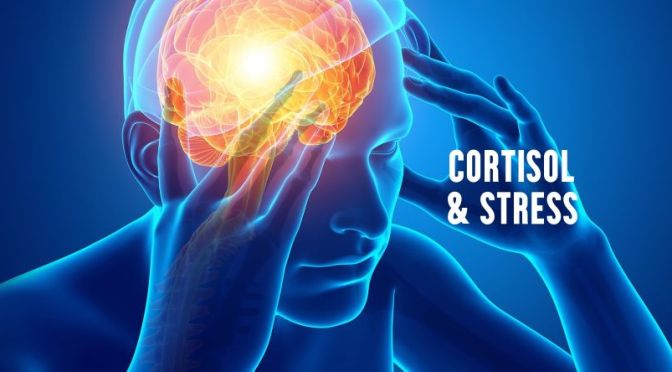
Cortisol (hydrocortisone, 17-OH-corticosterone) is produced by stress, and is a bad word these days. When I was a practicing allergist, Cortisol worked wonders with asthma, and as a salve helped my patients with eczema.
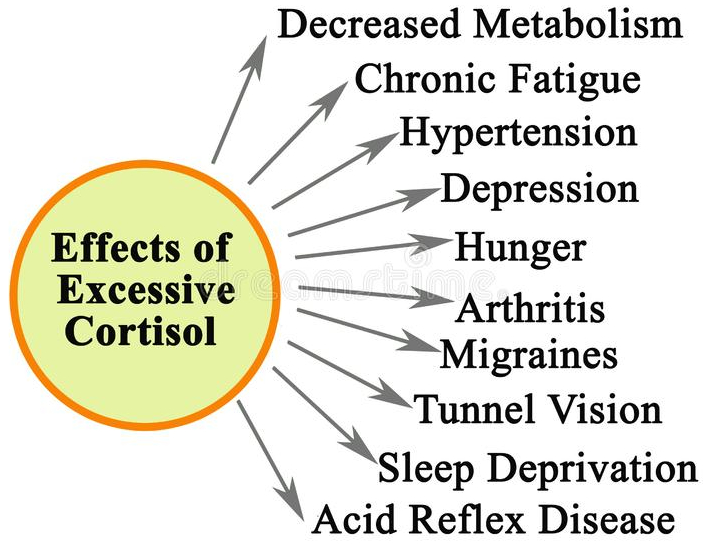
It functions in the body as a key part of the stress reaction, which preparers the animal body for “Fight or flight”. Cortisone raises the blood pressure, heart rate and blood sugar, and shuts down The immune system, which is not as necessary in times of emergency. It is this last function which helped my patients with asthma and eczema, which are diseases of excessive immune reactivity. You may have heard of the use of dexamethasone( A relative of cortisol ) in severe Covid, which is made worse by an excessive immune response.
Modern life is a pressure cooker, requiring continuous activity and deadlines. The blood Cortisone level, which is raised by stress, is helpful in the short term, but deleterious when persisting over the long term. The prolonged elevation of blood Pressure, blood sugar and heart rate, coupled with a decrease in bone and collagen formation can lead to all kinds of problems including weight gain, diabetes, cardiovascular problems, osteoporosis and mental decline.
Although cortisol in the short term can enhance memory (think of flash – bulb memory), in the long run it decreases hippocampal function, impacting memory.
For these and other reasons, Modern Life makes it desirable to reduce stress and the accompanying elevation of cortisol . Our old friends, Proper sleep, diet and exercise are critical, and help activities such as laughter and yoga to reduce stress. The following reference will cover this in more detail.
 Doctors Without Waiting Rooms