Category Archives: Infographics

Dr. C’s Journal: Flat Feet And Overpronation

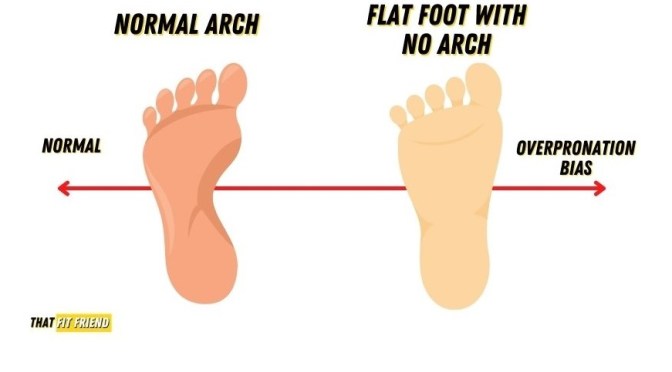
Flat feet will exempt you from the draft, but that is where are their benefit stops. This condition can be inherited, but the arch can also fail to develop during puberty.

The entire bottom of the foot will contact the ground when walking if you have flat feet.

Overpronation happens when the way you walk causes the arches of the feet to flatten even more, putting a strain on the muscles, tendons, and ligaments that support your arches. Overweight and running a lot on hard surfaces accentuates this problem, and pain in the ligaments in the arch of the foot is the result.

Overpronation may be indicated by excessive wear on the inside of the heels and soles of your shoes, and can cause all kinds of problems such as Achilles tendinitis, iliotibial band syndrome, plantar fasciitis, shin splints, and even knee, hip, or back pain. these things may  develop in compensation to overpronation while walking.

As an older person, I have pretty much given up tennis and running, and walk rapidly for long (for me) distances in order to get sufficient exercise. Without noticeably increasing my walking, I have recently developed tenderness in the arch of my left foot that made walking painful. Curling my toes, and walking on the outside of my feet seemed to alleviate the pain. This is an exercise that I remember from my childhood, and may have been shown me because of my moderately flat feet.

Swimming for Exercise, and decreasing the amount of walking seems to have corrected the condition at least temporarily, but I have also ordered some orthotic inserts for my shoes as an arch support, in case I need them going forward. I have been told that if this is insufficient I can go to a specialty store and order some special shoes that might help. I have not mentioned painkillers such as NSAIDs, because I try to avoid them

Please check with the accompanying references for more information about flat feet and over pronation.

—Dr. C.
Read more

Eye Disorders: The Types And Causes Of Myopia

Image

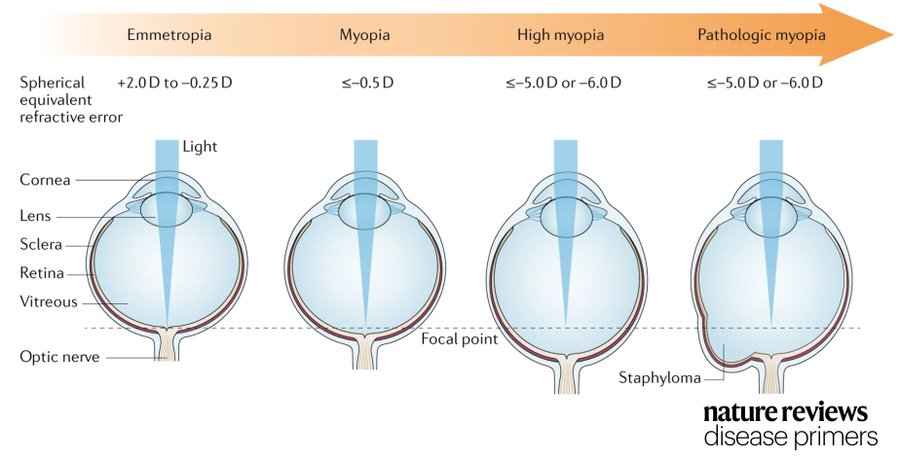
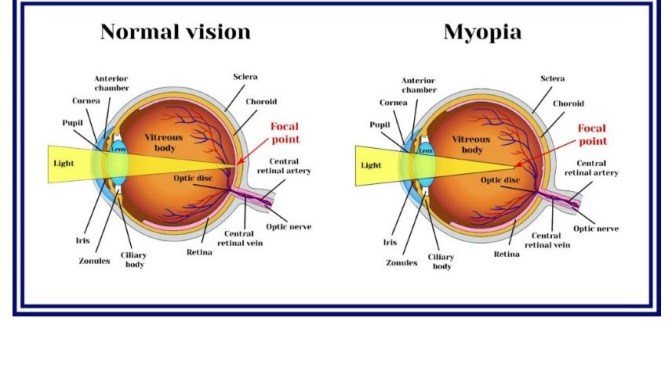
Myopia, also known as short-sightedness or near-sightedness, is a very common condition that typically starts in childhood. Severe forms of myopia (pathologic myopia) are associated with a risk of other associated ophthalmic problems. This disorder affects all populations and is reaching epidemic proportions in East Asia, although there are differences in prevalence between countries.

Myopia is caused by both environmental and genetic risk factors. A range of myopia management and control strategies are available that can treat this condition, but it is clear that understanding the factors involved in delaying myopia onset and slowing its progression will be key to reducing the rapid rise in its global prevalence.

To achieve this goal, improved data collection using wearable technology, in combination with collection and assessment of data on demographic, genetic and environmental risk factors and with artificial intelligence are needed. Improved public health strategies focusing on early detection or prevention combined with additional effective therapeutic interventions to limit myopia progression are also needed.

Read more

Dr. C’s Journal: Plantar Fasciitis And Foot Pain

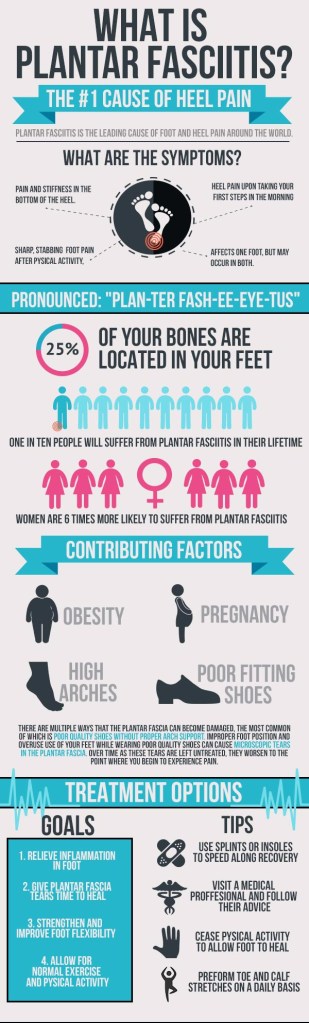
Our feet are subjected to such abuse that it is amazing we don’t have more problems with them. But problems there are, and I have been having some. I will be exploring the different types and causes of foot pain  beginning with this article on plantar fasciitis.

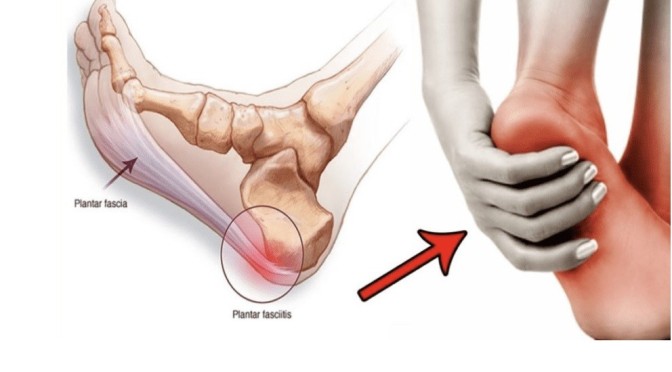
The plantar fascia is a triangular web of connective tissue on the bottom of the foot that begins at the heel and fans out to attach to the toes. With repeated stress, it can become torn or inflamed and caused pain.

The pain of plantar fasciitis is usually centered around the heel, on the bottom of the foot. It is often absent first thing in the morning, produces a stabbing pain on first walking, and goes away with activity; you can “walk it off”. Plantar fasciitis is usually slow to heal and may take several months

The doctor will usually make the diagnosis by your story(history), and the localization of the pain. X-rays, CT scans, and MRIs or necessary only if there’s a suspicion of a stress fracture.

Conservative treatment focuses upon stretching exercises and orthotics, but there are various types of injections, shockwave therapies, ultrasonic tissue repairs, and surgeries that some people need.

A particularly interesting treatment cited was the injection of platelet rich plasma from your own blood to promote healing. I recently read that this technique, in addition to a collagen scaffold  is currently used to treat rupture of the anterior cruciate ligament of the knee.

Of course, prevention is the ideal. Maintaining a healthy weight is important. Supportive shoes, with thick soles and good arch support will help. stretching exercises are also helpful as a preventative.

Please check with the Mayo Clinic article for more information.

—Dr. C.

Read more

Prostate Cancer: Its Signs And Advanced Symptoms

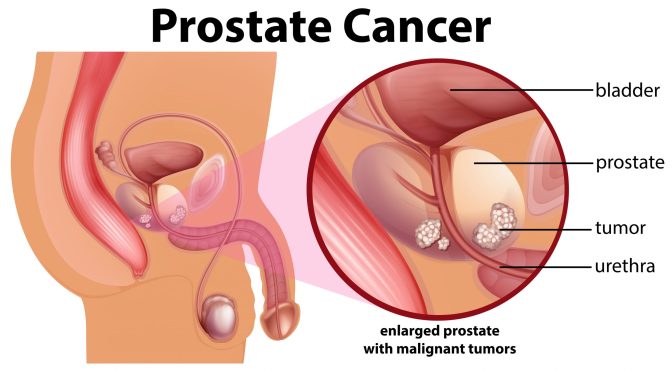
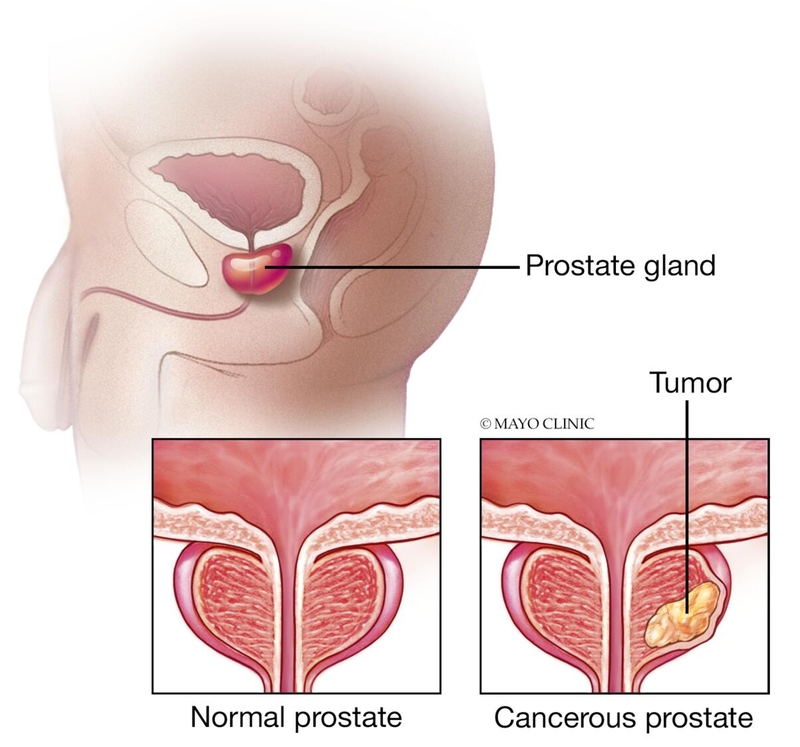
Prostate cancer is one of the most common types of cancer. Many prostate cancers grow slowly and are confined to the prostate gland, where they may not cause serious harm. 

Image

However, while some types of prostate cancer grow slowly and may need minimal or even no treatment, other types are aggressive and can spread quickly.

Prostate cancer that’s detected early — when it’s still confined to the prostate gland — has the best chance for successful treatment.

Prostate cancer may cause no signs or symptoms in its early stages. When it’s more advanced may cause signs and symptoms such as:

  • Trouble urinating
  • Decreased force in the stream of urine
  • Blood in the urine
  • Blood in the semen
  • Bone pain
  • Losing weight without trying
  • Erectile dysfunction

Read more

COMMENTARY:

PSA screening will pick up prostate cancer very efficiently. However, it will also pick up slow growing cancer that might never be require treatment, and responding to the positive test could cause problems ranging from pain and convenience to erectile dysfunction and incontinence.

It takes 1000 men screened to produce one life-saving treatment for prostate cancer.

Risk reward analysis means that the younger you are, the more reasonable is a test, since you have many more years of potential life. The older you are, conversely, the less you have to gain. The problem is that most cancers are slow growing, and might never cause a problem, especially if you have only a few years left to live.

Most experts recommend a test when a man reaches the age of 45, but reserve annual testing for those who are at high risk, such as having a brother or father with aggressive prostate cancer.

When a man reaches the age of 70, most experts would decline to test.

Sometimes, emotional considerations present themselves; worry is very much a disease. For instance, the best man at my wedding stopped getting his PSA test about three years before he was diagnosed with fatal metastatic prostate cancer. I am inclined to continue getting my annual prostate test, and would worry if I didn’t.

A recent study in the journal Cancer reported that more than half of a group of men 75 years and older had PSA tests and biopsies.

As an interesting aside, the PSA test is the only test I have ever had rejected by Medicare, presumably because of this expert opinion factoring in the cost benefit analysis of using the test.

—Dr. C.

Skin Conditions: Five Types Of Contact Dermatitis

Contact dermatitis (CD) is among the most common inflammatory dermatological conditions and includes allergic CD, photoallergic CD, irritant CD, photoirritant CD (also called phototoxic CD) and protein CD. Occupational CD can be of any type and is the most prevalent occupational skin disease. Each CD type is characterized by different immunological mechanisms and/or requisite exposures. Clinical manifestations of CD vary widely and multiple subtypes may occur simultaneously. The diagnosis relies on clinical presentation, thorough exposure assessment and evaluation with techniques such as patch testing and skin-prick testing. Management is based on patient education, avoidance strategies of specific substances, and topical treatments; in severe or recalcitrant cases, which can negatively affect the quality of life of patients, systemic medications may be needed.

Dr. C’s Journal: What Are Symptoms Of Gonorrhea?

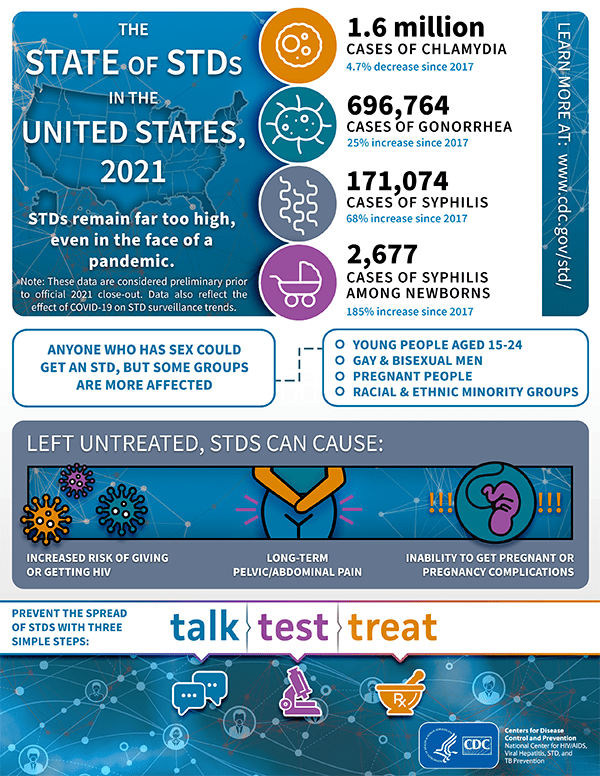
Gonorrhea been present since the earliest times. The United States has one of the highest incidences, and it was very common in colonial America, where it was called “clap”. Adolescents, with their increased sexual activity, have the highest incidence, and girls are somewhat more likely to have it than boys.

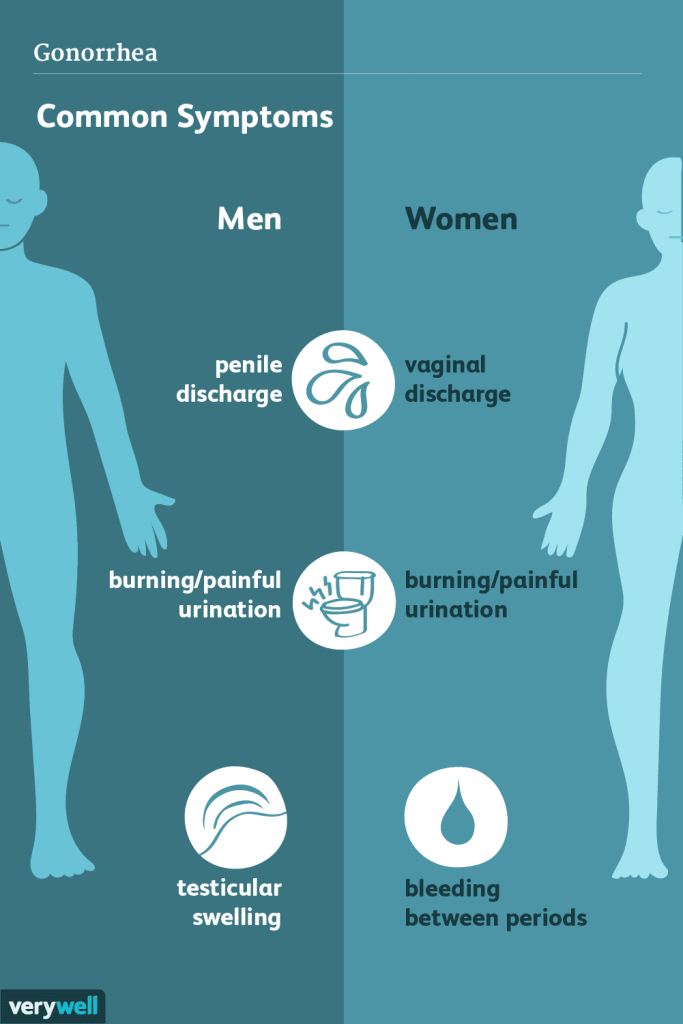
The symptoms have to do with infection and inflammation of the urethra. Burning on urination is almost universal, and purulent discharge and presence of pus in the urine is frequent. The infection is mostly a nuisance, but it can travel up the genito-urinary tract, and into the spermatic ducts in the male or the fallopian tubes in the female, and it is a common cause of sterility and pelvic inflammatory disease, or PID.

With its high frequency in young females, bacterial ointments are routinely applied to the eyes of newborn babies to prevent severe infection and possible blindness.

When I was practicing medicine, the diagnosis was made by culturing for the bacterium neisseria gonorrhea. Now the NAAT, the nucleic acid  amplification test, is the gold standard.

In my practicing  days, penicillin was the magic bullet, but resistance he has developed so that a cephalosporin and azithromycin combination is currently used.

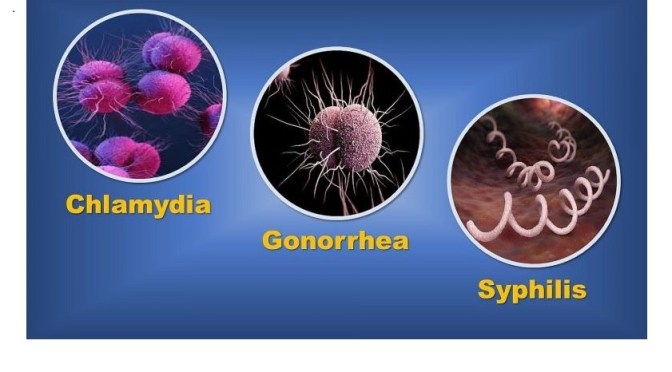
STDs, sexually transmitted diseases, are one of the commonest conditions encountered in student health, according  to a good friend.

Please refer to the attached Mayo Clinic article for more information.

—Dr. C.

Read more

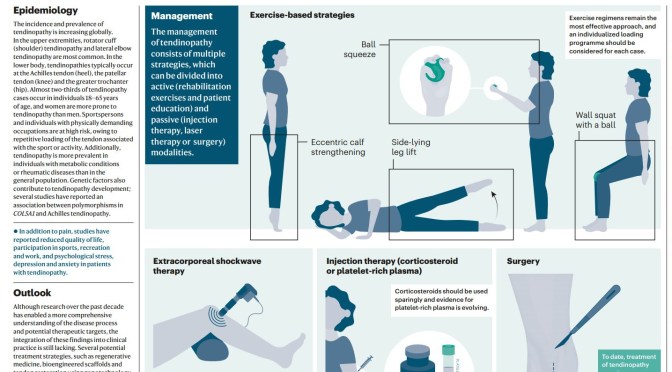
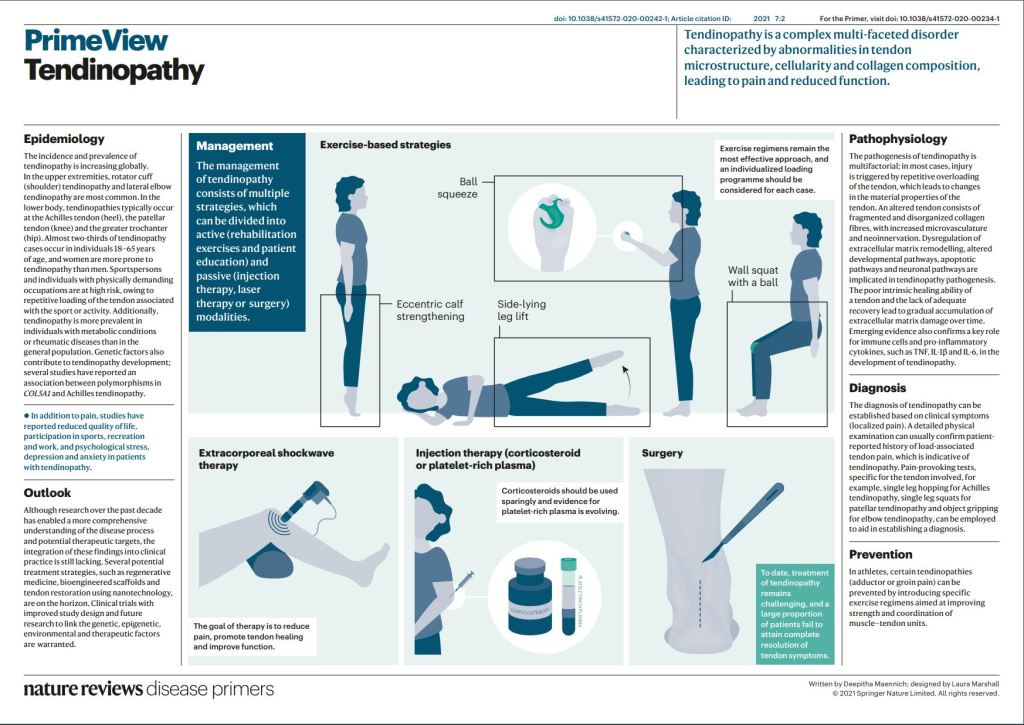
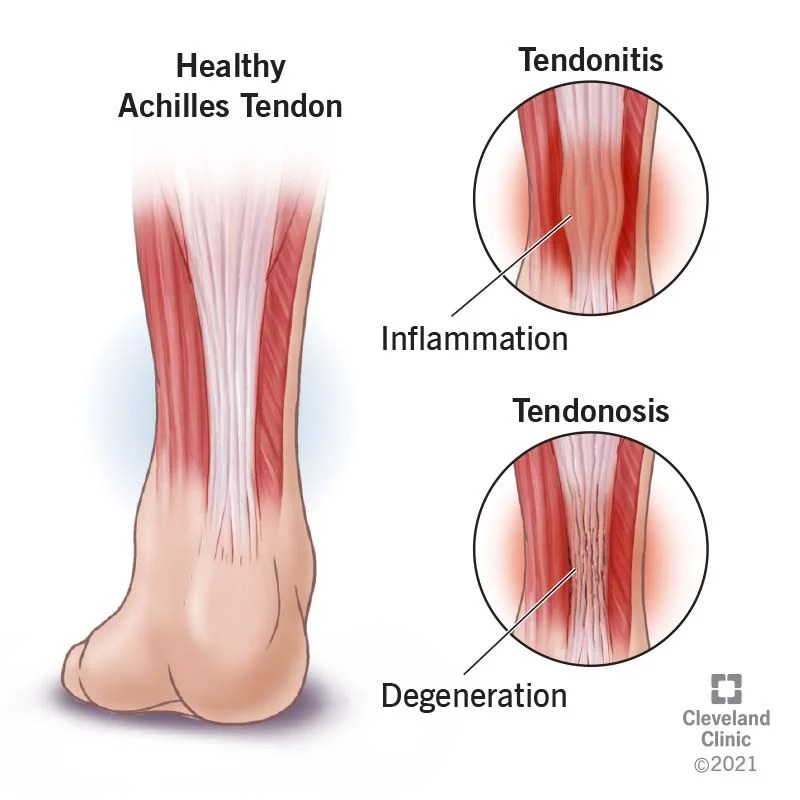
Tendinopathy: Diagnosis, Treatment & Prevention

Tendinopathy is the broad term for any tendon condition that causes pain and swelling. Your tendons are rope-like tissues in your body that attach muscle to bone. When your muscles tighten and relax, your tendons and bones move. One example of a tendon is your Achilles tendon, which attaches your calf muscle to your heel bone and causes ankle movement. If you have pain and/or swelling in that area, you might have Achilles tendinopathy.

The pain from tendinopathy can interfere with your daily life. For example, it can keep you from playing sports and from doing housework. So, if you have pain or swelling, make sure to contact your healthcare provider for help.

Read more

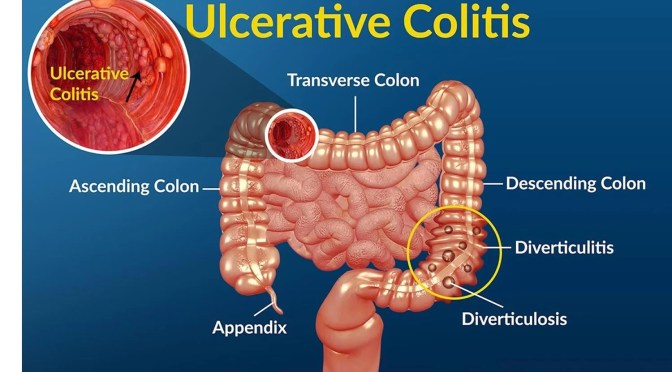
Inflammation: Treating Ulcerative Colitis (UC)

Since ulcerative colitis (UC), a condition that causes inflammation in the colon and rectum, is never medically cured, certain lifestyle behaviors can help you manage symptoms and better cope with your condition. In addition to managing stress, paying attention to what you eat can have a big impact on your quality of life.

A notepad with "ulcerative colitis" printed on it and a stethoscope laying next to it.

You should eat a well-balanced, healthy diet rich in fresh fruits and vegetables, such as a Mediterranean style diet. Avoid preservatives and emulsifiers, such as carrageenan, carboxymethylcellulose, and polysorbate-80.

If you have inflammatory bowel disease and also irritable bowel syndrome (IBS), a low-FODMAP diet may be helpful. FODMAP stands for the short-chain carbohydrates known as fermentable oligosaccharides, disaccharides, monosaccharides, and polyols. Some people who eat high-FODMAP foods have an increased risk of problems like diarrhea, bloating, abdominal pain, and flatulence. FODMAPs include the following:

  • disaccharides, such as lactose (in milk and other dairy products)
  • monosaccharides, such as fructose (for example, in apples and honey)
  • oligosaccharides, such as fructans (in wheat, onions, and garlic, for example) and galactans (commonly found in beans, lentils, and soybeans)
  • polyols, such as sorbitol and mannitol (in some fruits, vegetables, and artificial sweeteners).

A low-FODMAP diet can help reduce abdominal pain, bloating, and diarrhea and improve stool consistency in people with IBS who also have well-controlled IBD. Consult with your doctor and a nutritionist about how FODMAP reduction may fit into your dietary plan.

Read more

Aging: Degenerative Disk Disease Surgical Options

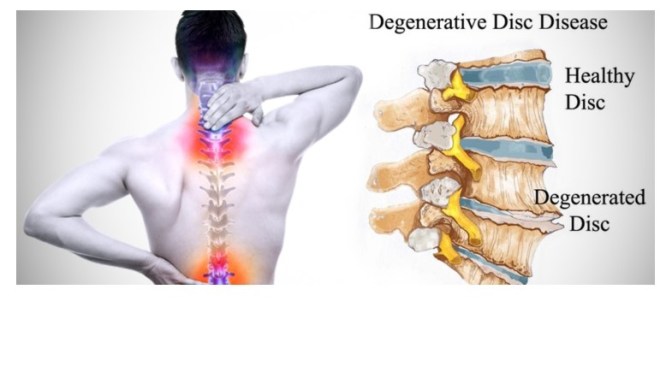
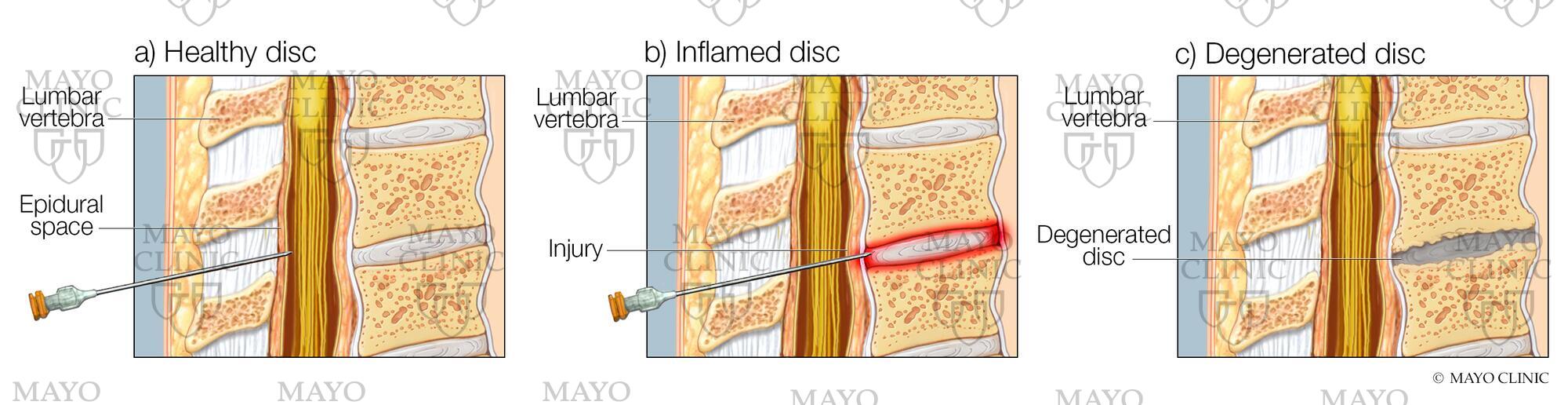
#DegenerativeDiskDisease is a common disorder linked to aging and years of wear and tear on the spine. Long-term therapies have so far eluded medical science.

Image

LAMINECTOMY

Lumbar laminectomy

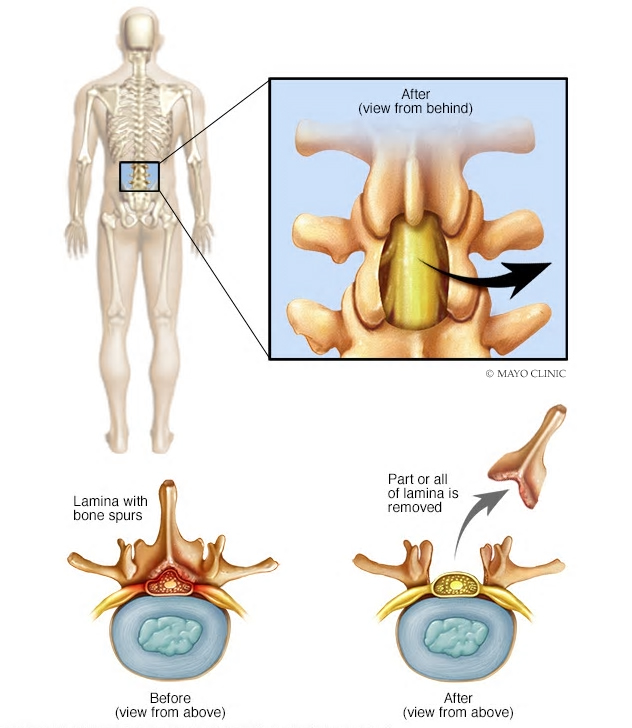
Laminectomy is surgery that creates space by removing the lamina — the back part of a vertebra that covers your spinal canal. Also known as decompression surgery, laminectomy enlarges your spinal canal to relieve pressure on the spinal cord or nerves.

This pressure most commonly is caused by bony overgrowths within the spinal canal, which can occur if you have arthritis in your spine. These overgrowths sometimes are referred to as bone spurs, but they’re a normal side effect of the aging process in some people.

Some patients are able to have a same-day laminectomy, which means they do not need to stay in the hospital following surgery and are able to go home to recover. The procedure is performed using minimally invasive techniques resulting in smaller incisions, lower risk of infection and, for many people, a quicker recovery.

SPINAL FUSION

Spinal Fusion, Lower Back

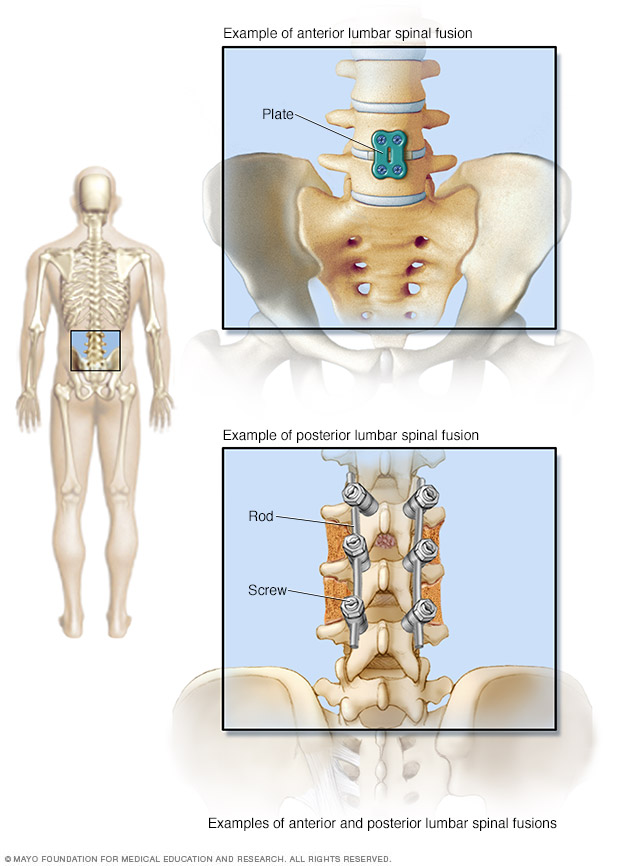
Spinal fusion is surgery to permanently connect two or more vertebrae in your spine, eliminating motion between them. Spinal fusion involves techniques designed to mimic the normal healing process of broken bones. During spinal fusion, your surgeon places bone or a bone-like material within the space between two spinal vertebrae. Metal plates, screws and rods may be used to hold the vertebrae together, so they can heal into one solid unit.

Because spinal fusion surgery immobilizes parts of your spine, it changes the way your spine can move. This places additional stress and strain on the vertebrae above and below the fused portion, and may increase the rate at which those areas of your spine degenerate.

Read more at Mayo Clinic