Category Archives: Infographics

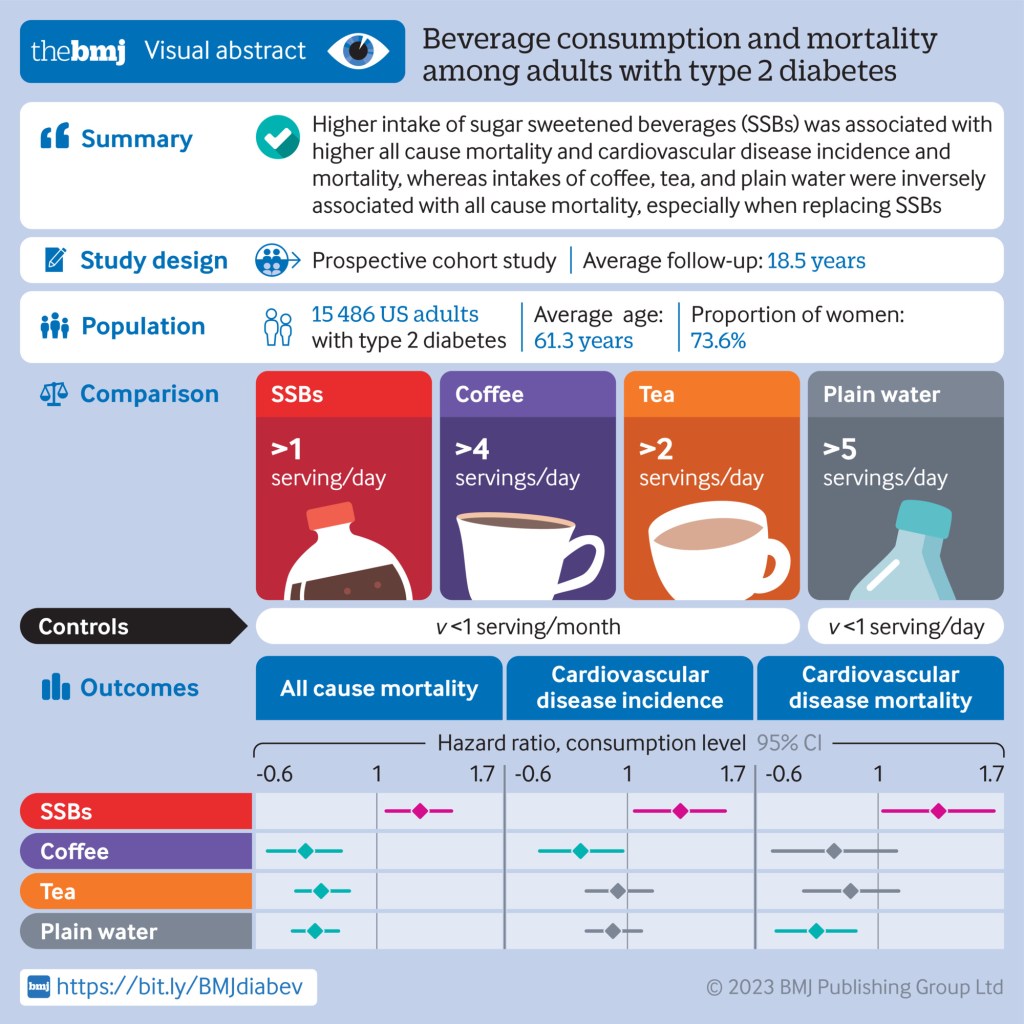
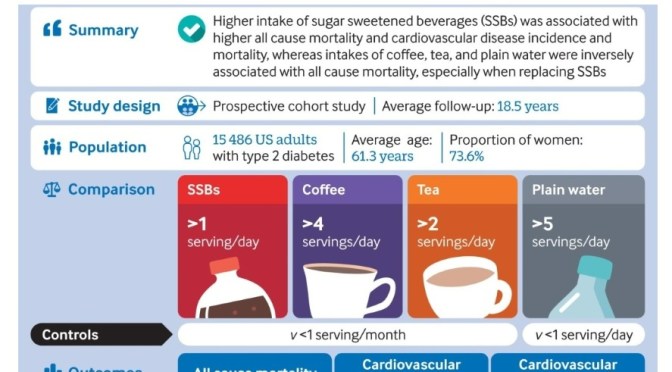
TYPE 2 DIABETES STUDIES: 65% HIGHER DEATH RATES WITH ‘SWEETENED DRINKS’

The BMJ (Published April 19, 2023) – 

Conclusions: Individual beverages showed divergent associations with all cause mortality and CVD outcomes among adults with type 2 diabetes. Higher intake of SSBs was associated with higher all cause mortality and CVD incidence and mortality, whereas intakes of coffee, tea, plain water, and low fat milk were inversely associated with all cause mortality. These findings emphasize the potential role of healthy choices of beverages in managing the risk of CVD and premature death overall in adults with type 2 diabetes.

READ COMPLETE BMJ RESEARCH STUDY

SHARE THIS:

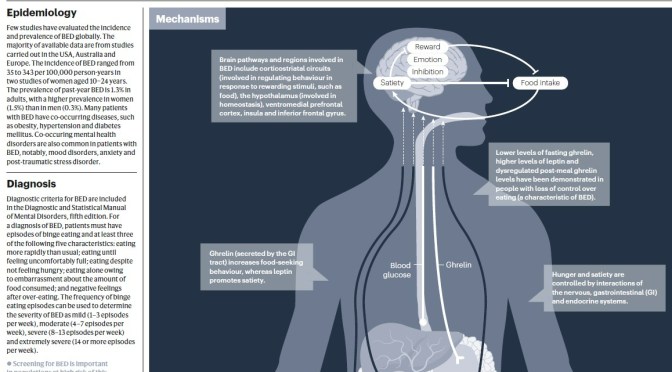
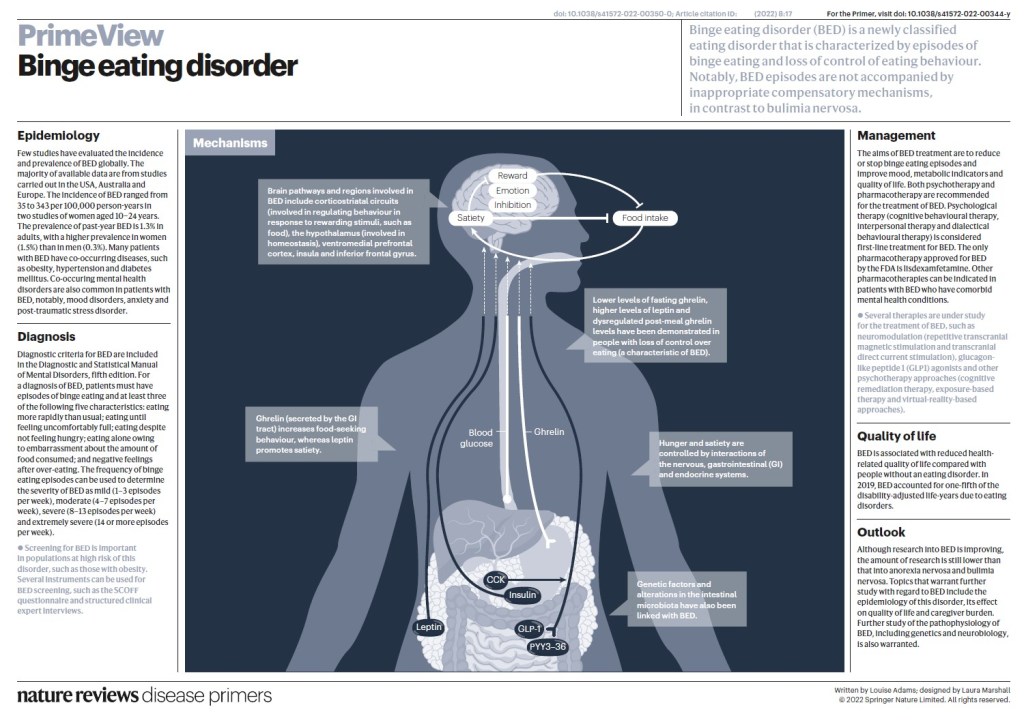
Infographic: Binge Eating Disorder (BED) Diagnosis

Binge eating disorder (BED) is characterized by regular binge eating episodes during which individuals ingest comparably large amounts of food and experience loss of control over their eating behaviour. The worldwide prevalence of BED for the years 2018–2020 is estimated to be 0.6–1.8% in adult women and 0.3–0.7% in adult men. BED is commonly associated with obesity and with somatic and mental health comorbidities. People with BED experience considerable burden and impairments in quality of life, and, at the same time, BED often goes undetected and untreated.

READ MORE

Colon Cancer Options: Intraoperative Radiation Therapy Vs Radiation

What is the difference between intraoperative radiation therapy and normal radiation? Is radiation a standard treatment option, or are there other approaches?

Mayo Clinic (March 28, 2023):

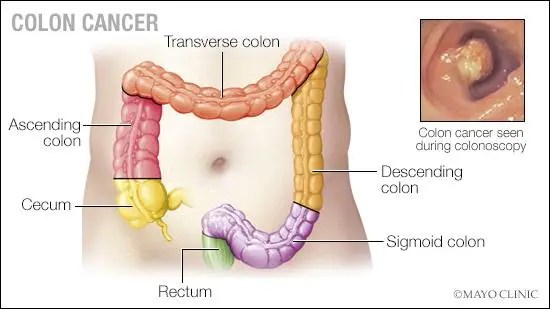
ANSWER: Colon cancer is one of the most common malignancies in the U.S., with more than 100,000 new cases diagnosed each year. Over a lifetime, it is estimated that 1 in 23 men and 1 in 26 women will be diagnosed with colon cancer. Typical colon cancers start as a polyp-like growth in the inside layer of the colon, which can be seen during a colonoscopy. Most cancer organizations recommend starting colonoscopy screenings at age 45.

When the treatment team is concerned about achieving negative margins, or removing the entire tumor with an edge of normal tissue around the specimen, intraoperative radiation therapy may be considered. Intraoperative radiation therapy rarely is used for colon cancer, but, when necessary, the area of concern is directly targeted with a single fraction of radiation during surgery. 

When a mass is found during a colonoscopy or cancer is suspected, biopsies are taken and reviewed by a pathologist. In this scenario, most patients are asymptomatic. Without preventive colon cancer screenings, a tumor may grow to an advanced stage before it causes any symptoms that a patient or health care professional would recognize. The most common signs and symptoms of colon cancer are anemia, which may lead to fatigue; abdominal pain; blood in the stool or other bowel changes; weight loss; and signs of obstruction.

Once colon cancer is diagnosed, the next step is a staging examination. This involves a history and physical examination; blood work; confirmation that a full colonoscopy has been performed; and CT scans of the chest, abdomen and pelvis. The results of these tests will allow your health care professional to assign a clinical stage. In stages 1 and 2, the tumor remains in the colon wall with no evidence that it has spread further. With stage 3, there is concern that the tumor cells have spread to the regional lymph nodes, and in stage 4 colon cancer, the tumor cells have spread outside of the local area to other organs  most commonly the liver, lungs or peritoneum.

Surgery is the mainstay of treatment for stages 1, 2 and 3 disease and is usually the first step in the treatment process. The segment of the colon bearing the tumor is removed, along with the draining lymph nodes. The ends of the intestine are reconnected, and the specimen is sent to the pathologist who then performs a histologic examination of the colon and the associated lymph nodes. The pathologist will assign a final pathologic stage to the tumor, which will dictate the need for any additional treatment.

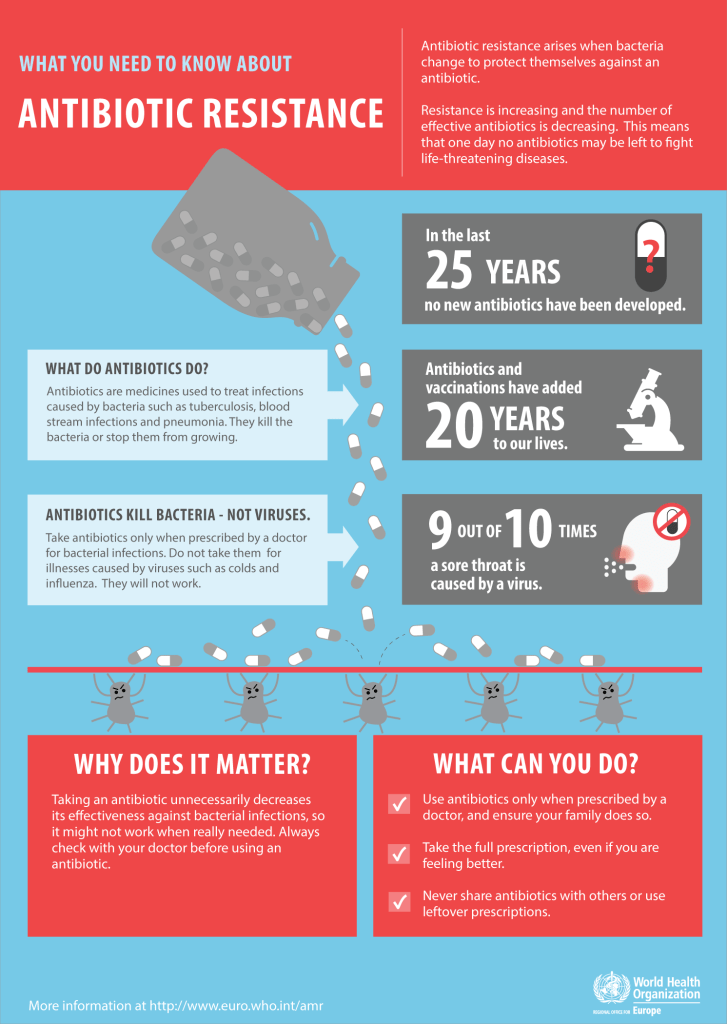
Antibiotic Resistance: What You Need To Know

Each year in the US, more than two million individuals become sick with infections caused by antibiotic-resistant bacteria, and more than 23,000 die as a result of these infections. Antibiotic resistance happens when bacteria develop the ability to defeat the drugs designed to kill them.

Antibiotic resistance is a pressing public health issue, and together we can reduce this threat by optimizing antibiotic use and providing the best patient care. All stakeholders can play an important role in improving how antibiotics are used, to ensure that these drugs are available and effective when most needed.

READ MORE

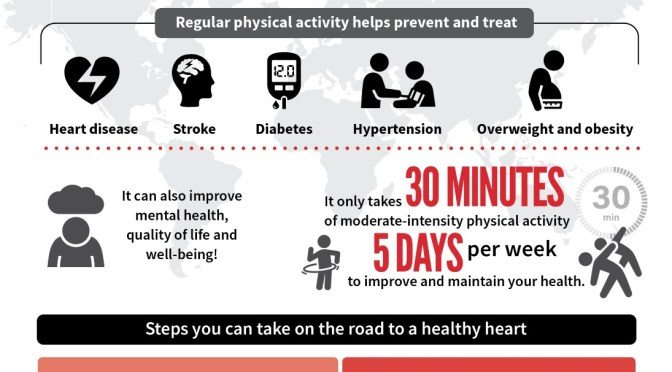
Studies: Regular Exercise Prevents Heart Disease

 Frequent exercise is robustly associated with a decrease in cardiovascular mortality as well as the risk of developing cardiovascular disease. Physically active individuals have lower blood pressure, higher insulin sensitivity, and a more favorable plasma lipoprotein profile. Animal models of exercise show that repeated physical activity suppresses atherogenesis and increases the availability of vasodilatory mediators such as nitric oxide.

Exercise has also been found to have beneficial effects on the heart. Acutely, exercise increases cardiac output and blood pressure, but individuals adapted to exercise show lower resting heart rate and cardiac hypertrophy. 

READ MORE


Aging: Mild Cognitive Impairment Vs Dementia

Mild cognitive impairment (MCI) is a condition in which people have more memory or thinking problems than other people their age. The symptoms of MCI are not as severe as those of Alzheimer’s disease or a related dementia. People with MCI can usually take care of themselves and carry out their normal daily activities.

People with MCI are at a greater risk of developing Alzheimer’s disease or a related dementia. Estimates vary as to how many people who have MCI will develop dementia. Roughly one to two out of 10 people age 65 or older with MCI are estimated to develop dementia over a one-year period. However, in many cases, the symptoms of MCI stay the same or even improve.

READ MORE

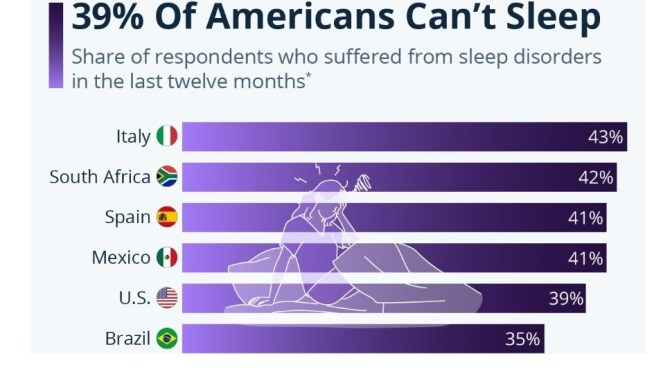
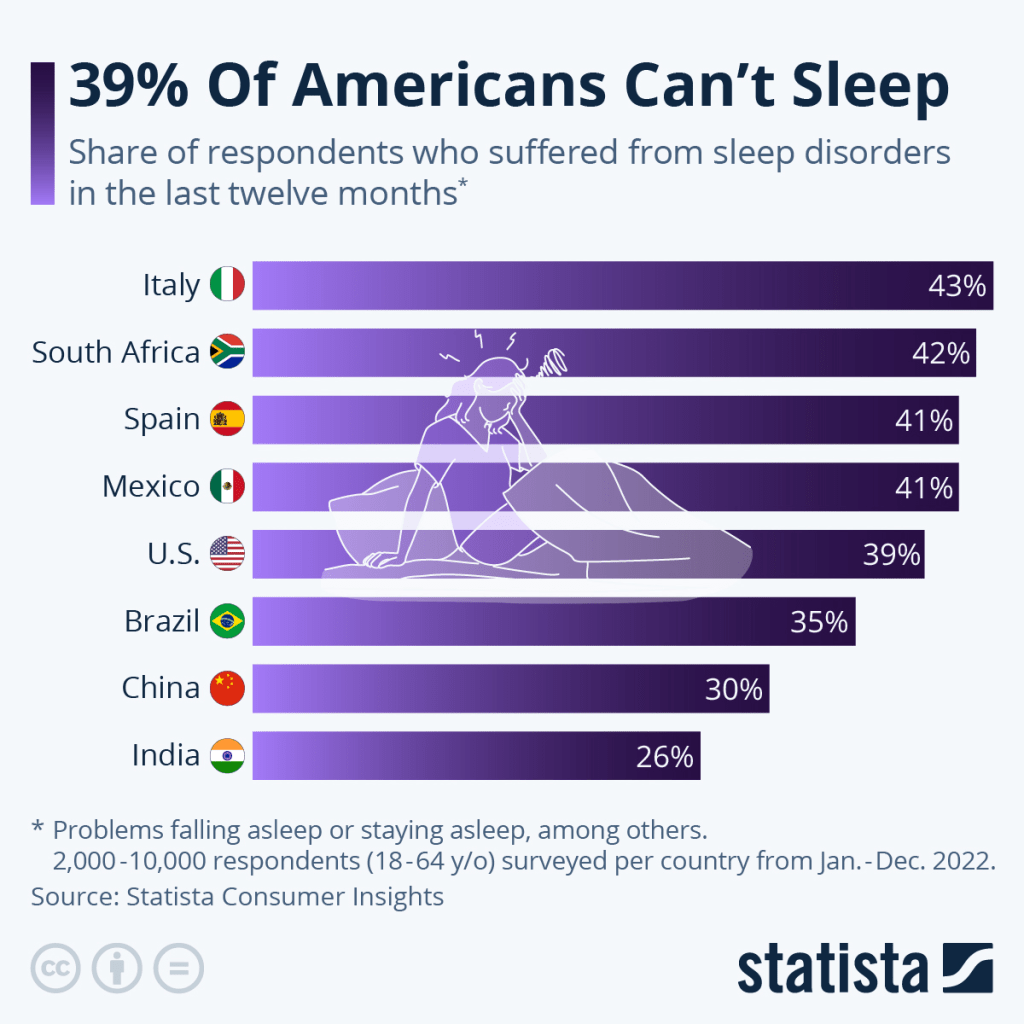
Studies: 39% Of Americans Suffer Sleep Disorders

This Friday, March 17, is World Sleep Day, an annual event that aims to raise awareness of the importance of getting a good night’s sleep. This year’s campaign tagline is “Sleep is essential for health.” According to a study by the American College of Cardiology, up to 8 percent of deaths from any cause could be attributed to “poor sleep patterns”, while those with healthier sleep habits are less likely to die prematurely.

Data from Statista Consumer Insights shows that in the United States, 39 percent of respondents said they had suffered from a sleep disorder (problems falling asleep or staying asleep, insomnia, etc.) in the 12 months prior to the survey. Italians were among the worst sleepers in the survey at 48 percent reporting a sleep disorder, while India registered a higher share of good sleepers, with only 26 percent suffering from poor sleep.

Review: Psoriatic Arthritis Flare-Up Signs & Symptoms

“A psoriatic arthritis flare-up is a temporary worsening of symptoms of arthritis, which includes swelling, pain and stiffness in your joints,” explains Dr. Sapkota. “It can also include swelling of the whole toes or fingers due to the swelling of the ligaments around the joint. And sometimes, psoriasis, a skin rash, can worsen at the same time as your joints.”

Mayo Clinic – Symptoms of psoriatic arthritis flare-ups

It can be hard to predict when you may have a flare-up — and the degree of pain and discomfort can vary from person to person.

Psoriatic arthritis flare-up symptoms include:

  • Joint pain.
  • Joint swelling.
  • Joint tenderness.
  • Fatigue.
  • Difficulty moving.

How long do psoriatic arthritis flare-ups last?

A typical psoriatic arthritis flare-up can last anywhere from a few days to a week. It depends on the individual.

And it can vary on when you get them. You may experience flare-ups often, while others may not have them as frequently.

Bottom line? Psoriatic arthritis flare-ups can be unpredictable.

What triggers psoriatic arthritis flare-ups?

Causes of psoriatic arthritis flare-ups can include:

  • Stress and anxiety.
  • Obesity.
  • Smoking.
  • Alcohol.
  • Lack of activity.
  • Lack of sleep.
  • Diet.
  • Skipping psoriatic arthritis medication.
  • Certain medications like beta-blockers.

Lung Infections: Signs & Symptoms Of Pneumonia

Pneumonia is an infection that inflames the air sacs in one or both lungs. The air sacs may fill with fluid or pus (purulent material), causing cough with phlegm or pus, fever, chills, and difficulty breathing. A variety of organisms, including bacteria, viruses and fungi, can cause pneumonia.

Mayo Clinic – Pneumonia can range in seriousness from mild to life-threatening. It is most serious for infants and young children, people older than age 65, and people with health problems or weakened immune systems.

Symptoms

The signs and symptoms of pneumonia vary from mild to severe, depending on factors such as the type of germ causing the infection, and your age and overall health. Mild signs and symptoms often are similar to those of a cold or flu, but they last longer.

Signs and symptoms of pneumonia may include:

  • Chest pain when you breathe or cough
  • Confusion or changes in mental awareness (in adults age 65 and older)
  • Cough, which may produce phlegm
  • Fatigue
  • Fever, sweating and shaking chills
  • Lower than normal body temperature (in adults older than age 65 and people with weak immune systems)
  • Nausea, vomiting or diarrhea
  • Shortness of breath

Newborns and infants may not show any sign of the infection. Or they may vomit, have a fever and cough, appear restless or tired and without energy, or have difficulty breathing and eating.

When to see a doctor

See your doctor if you have difficulty breathing, chest pain, persistent fever of 102 F (39 C) or higher, or persistent cough, especially if you’re coughing up pus.

It’s especially important that people in these high-risk groups see a doctor:

  • Adults older than age 65
  • Children younger than age 2 with signs and symptoms
  • People with an underlying health condition or weakened immune system
  • People receiving chemotherapy or taking medication that suppresses the immune system

For some older adults and people with heart failure or chronic lung problems, pneumonia can quickly become a life-threatening condition.

READ MORE