Category Archives: Dr. C’s Journal

Reviews: The Importance Of The Circadian Rhythm

Our bodies have evolved in a binary environment that cycles between day and night, which impose different demands for the optimal functioning of our bodies.
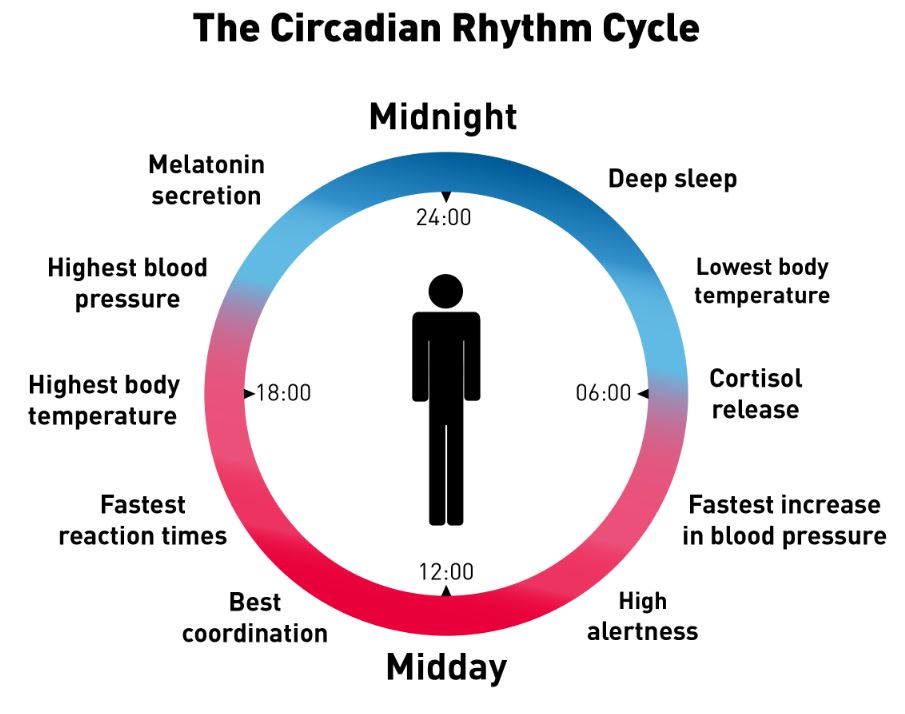
In the daytime, we typically explore, fight and eat. In the night time we rest and digest.

We have an unconscious, or autonomic, nervous system, that helps us adjust, the sympathetic nervous system revving us up for the daytime, and the parasympathetic, including the vagus nerve, slowing us down at night time. Sleep has apparently evolved to repair, cleanse and grow our bodies at night, in a process called anabolism. In the daytime, we have wear and tear, and use more energy to survive in a metabolic process called catabolism.

Hormones and Neurotransmitters help time and facilitate these cycling processes.

Light In the morning, operating through the central “zeitgeber”  in the supachiasmatic nucleus, synchronizes the circadian rhythm present in each of our cells, and drives down melatonin. Cortisol rises to help with stress, adenosine rises because of muscular and neural activity, the sympathetic nervous system is more active to help with alertness and raise the blood pressure, pulse rate, and body temperature.

As the light decreases at night, the melatonin Increases to facilitate sleep. Cortisol decreases, allowing the immune system to become more active, with immune lymphocytes going into the lymph nodes to start  dealing with any infection that has been encountered during the day. The daytime diet is being digested, replenishing the ATP and glycogen energy stores in muscle, brain and other tissues. Growth hormone signals cells to divide, and helps children grow.

Medical science makes use of this information in a field called chronotherapy. Cancer treatment with radiation and radiomimetic drugs are best done at night, when the cells divide.  Asthma medications are often given at night, because asthma is more common with a decrease in cortisol. GERD medications, such as proton pump inhibitors, are best given at night, because gastric acid builds up then, and lying flat encourages any acidic food to reflux into the esophagus.

As I have always mentioned, sleep, diet, and exercise are important for best health.

A sleep hygiene routine, going to bed by 10 PM and getting 7 to 8 hours of sleep is critical to give the body time to repair itself. Getting enough exercise will increase adenosine and facilitate a good nights sleep, along with countless other beneficial effects. Avoiding blue light from television and computer screens in the evening will help melatonin increase for good nights sleep. Avoiding food for three or four hours before bedtime will allow time to get the food out of the stomach and reduce gastroesophageal reflux.

TRE, or time restricted eating, is a form of fasting, which correlates with longevity.

Help the body synchronize its circadian clocks by well-timed, regular habits, and you will have a far better chance to be healthy. You are on dangerous grounds if you foul up the circadian rhythm by staying awake until the wee hours, eating an unhealthy diet and snacking all the time on lots of carbohydrates with little fiber, and sit around without exercising. Obesity, metabolic syndrome, diabetes, and gastrointestinal illnesses, as well as cancer can result.

Night shift work, for example, disturbs our biological clock, and has recently been labeled as carcinogenic.

—Dr. C.

Fungal Infections: The Spread Of Candida Auris

Candida auris is a type of fungus, a yeast in this case, that is increasing in frequency and spreading geographically, apparently due to warmer temperatures. This organism is fairly common in hospitals, where it often is on the skin. It is lethal if it gets into the body, and often difficult to treat. Las Vegas, Nevada, in particular is having almost an epidemic of these infections, with more than 500 infections and 100 deaths since the fall of 2021.

An alarming number of cases are misdiagnosed when patients first come to the emergency room; fungal infection is certainly not the first thing a doctor thinks of when she sees a patient with a febrile illness. On the flipside of that, any delay in diagnosis, particularly with a bloodstream infection, can be lethal. There are a few good laboratory tests for the diagnosis of fungal infection, and many of these take highly trained technicians with a microscope.

Fungi are opportunistic infections, which means a healthy person is unlikely to be seriously affected. With cancer treatments and organ transplants, increasing numbers of people are on immunosuppressive drugs which means they are more susceptible. Hospitals deal with this very sick people, and frequently use central catheters inserted into patients veins, and opportunistic fungi, like candida auris, get a free ride into the body. With fever, most doctors, think first of bacterial infections, and give antibiotics; these antibiotics can actually worsen fungal infection, since they remove bacterial competitors.

Many medical schools do not teach their students about fungal infections, and in 4 years of medical school, doctors in training are lucky to get two or three hours on this subject. Fungal infections are thought to be rare.

In these days of high-tech, corporate medicine, it is good for a patient to be her own advocate. Don’t be afraid to ask the doctor if she has thought of fungal infection as possible cause if you are not improving with your treatment, particularly if you’re in the hospital.

—Dr. C.

Skin Conditions: A Review Of Urticaria (Or Hives)

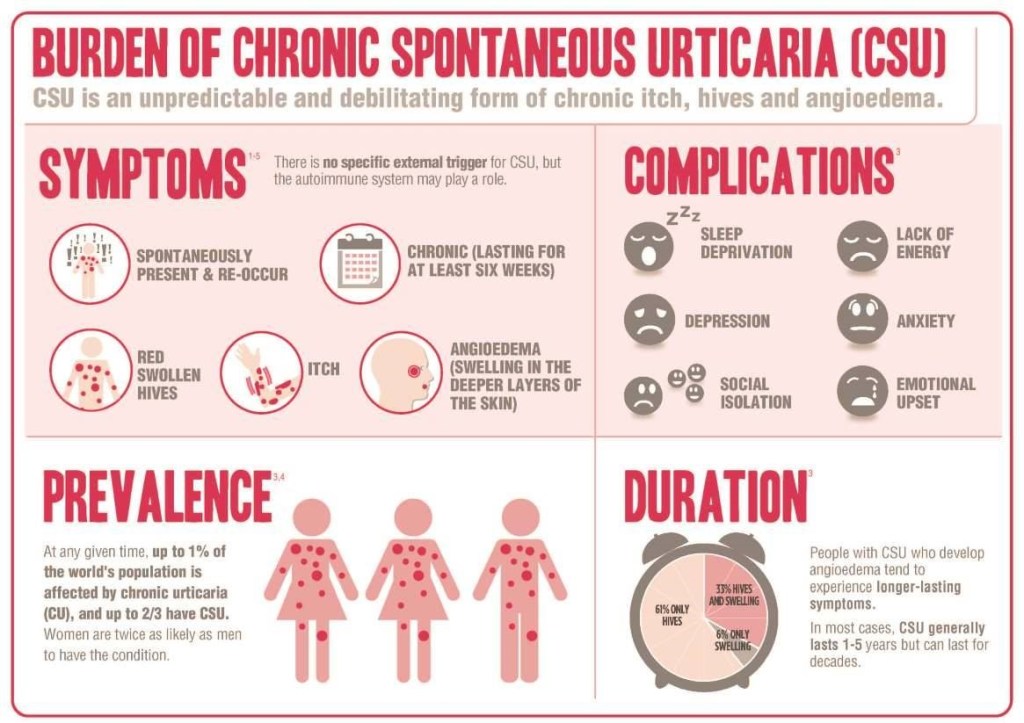
One out of five people experience hives in their lifetime. These are itchy bumps, which are surrounded by a field of redness, and itch like crazy.

Hives are caused by the release of histamine from mast cells in the tissues, or basophiles in the bloodstream.

Itching is the chief annoyance, which can cause sleep loss, as well as misery severe enough to distract from normal activities. Hives are sometimes associated with angioedema, which is swelling in certain areas, such as the throat and windpipe, which can be fatal. Extensive hives, with leaking of fluid out of the blood vessel’s can also cause low blood pressure, which can be fatal, especially if you’re in a precarious situation, such as swimming.

The topic has been increasingly understood, and therefore growing increasingly complex, and I will only touch on some high points. I would recommend the review of Dermnet from New Zealand, which is included below if you want more complete and reasonably understandable information.

I have had hives only one time, after being stung by a bee for the third or fourth time. Within a few seconds, I started itching all over my body, but had no dizziness so apparently didn’t lose much fluid from my blood vessels. The hives went away after taking an antihistamine. I sometimes get itchy after wearing a tight belt, which is probably caused by histamine release due to “ pressure urticaria. As mentioned in previous articles, I also get itchy skin without hives if I let my skin get too dry, helped by lubricants, and have itchy ears for which I take drops of mineral oil into my ears, and wash the wax out every few months.

Urticaria, or hives, can be in a limited  area or all over the body, can last a few days or come and go indefinitely, and can be mild or incapacitating. They can be caused by a huge variety of known things, from infections, such as upper respiratory infections, foods such as peanut, drugs such as antibiotics, contactants, such as latex gloves, and stings or other injectants, which  can generalize into severe and sometimes fatal anaphylaxis.

Adrenaline, and antihistamines, are needed immediately in these situations. You may have heard of the rapidly injectable EpiPen, which you must carry with you if at risk.

Often with chronic urticaria, the cause remains unknown or “idiopathic”. As an allergist, this used to drive me almost as crazy as my patients, A lot of progress has been made in the last few decades. About half of the unknown causes turns out to be antibodies directed towards the allergic antibody, IGE, which can be treated by yet another antibody, omalizumab, or some other expensive new medications.

If you have urticaria that continues, and interferes with your enjoyment of life, You can help your doctor out by carefully remembering the circumstances, under which the hives occur, and the places on your body where they are the most annoying. Ask your relatives if they have any autoimmune diseases, like lupus, or vitiligo. Know exactly what medication you are taking, and bring a list with you.

Angioedema can be fatal due to blockage of breathing and demands immediate attention. ACE Inhibitors can cause these swellings, which often occur without itching.

Once again, go to the excellent and understandable article by Dermnet/urticaria/an overview.

—Dr. C.

Lung Cancer: Advantages Of Low-Dose CT Scans

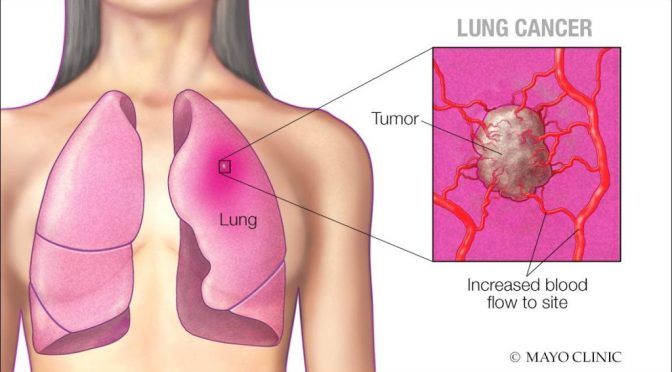
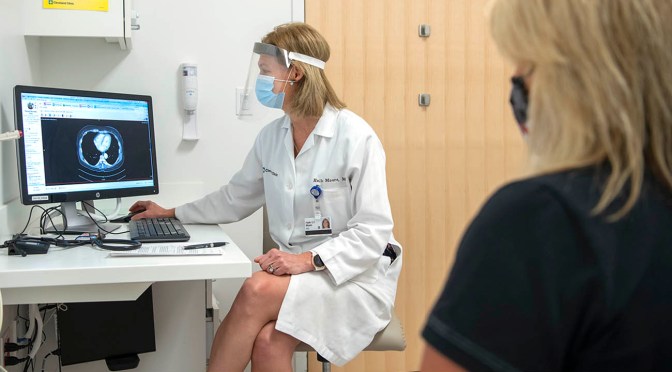
Annual low-dose CT scans are now recommended for smokers with 20 pack years, who are over 50 years of age and have stopped smoking within the past 15 years.

The screening test is progressively becoming more advisable because of improvements in technology, such as endoscopic biopsy, and improved criteria to prevent overtreating false positives.

The advantage of the test is that cancer can often be caught early, at which time 60% is curable, compared to only 7% five-year survival if the disease has spread.

It’s startling to realize how a few people take advantage of this test, currently averaging only 6%. Family practitioners have been slow to embrace this valuable preventative screening, and the American Lung association has increased It’s outreach to doctors and patients alike.

Lung cancer is still the nations top cancer threat,  killing upwards of 127,000 people in the United States each year, although the toll has lessened recently thanks to the declining smoking rates and new treatments.

—Dr. C.

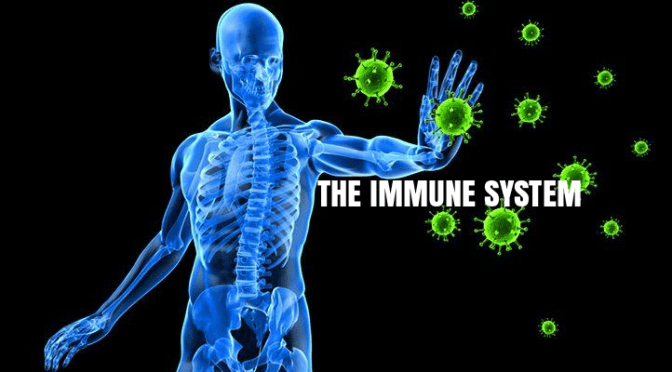
Immune System: Is It A Guard Dog Or Wolf?

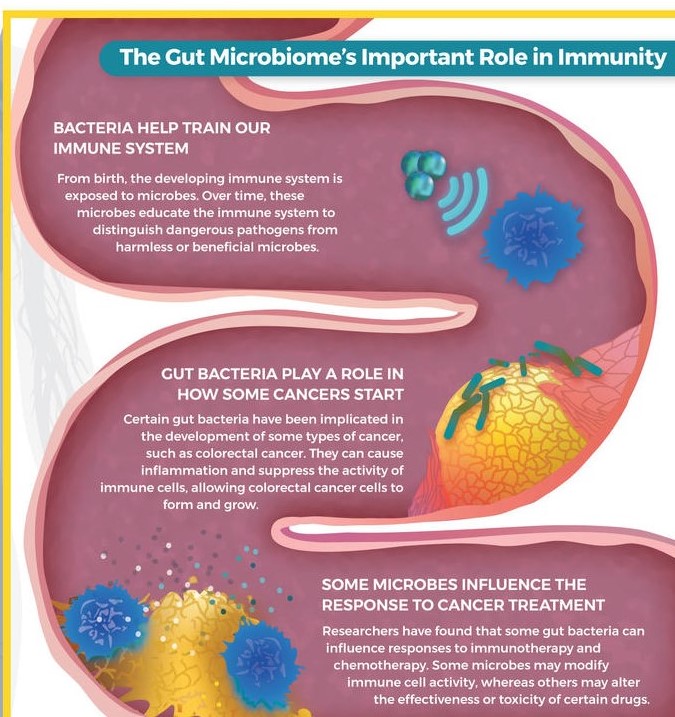
Without an immune system, we wouldn’t be here. Even the simplest creature, like bacteria, have types of defensive systems.

However, as we learned with Covid, the immune system can become mistimed, and be a detriment. Covid retards the innate immune system, and unleashes it later on when it no longer serves a useful purpose and actually damages tissue. In certain illnesses, like the common cold, most of the symptoms are actually CAUSED by the immune system.

in the case of allergies, symptoms are caused by the operation of our th2 immune system against a harmless entity, like pollen. With organ transplantation, our immune system recognizes the transplant as foreign; it has no reasoning capacity to realize that the transplanted tissue is necessary for us to live, and  to proceeds to reject the transplant.

In the case of the previous post, hydrocortisone, the prototypical shotgun that tamps down the immune system, benefited severe pneumonia.

With public health, immunizations, and a clean environment, infection is no longer the big killer is once was. Our immune system, designed to defend against a much more infectious world, is currently a real source of danger and disease.

Just like our coagulation system, once critical to stop the more frequent blood flowing in a violent world, Is now a bigger danger than ever because of our development of atherosclerotic blood vessel disease as we live longer.

Anticoagulants and anti-immunity treatments, some of them very expensive, are finding increased utility.

Please press the magnifying glass on the green field, and type in “immune system”. There are a number of previous posts of a more specific and detailed nature.

— Dr. C

Medical Update: A Review Of Tuberculosis In 2023

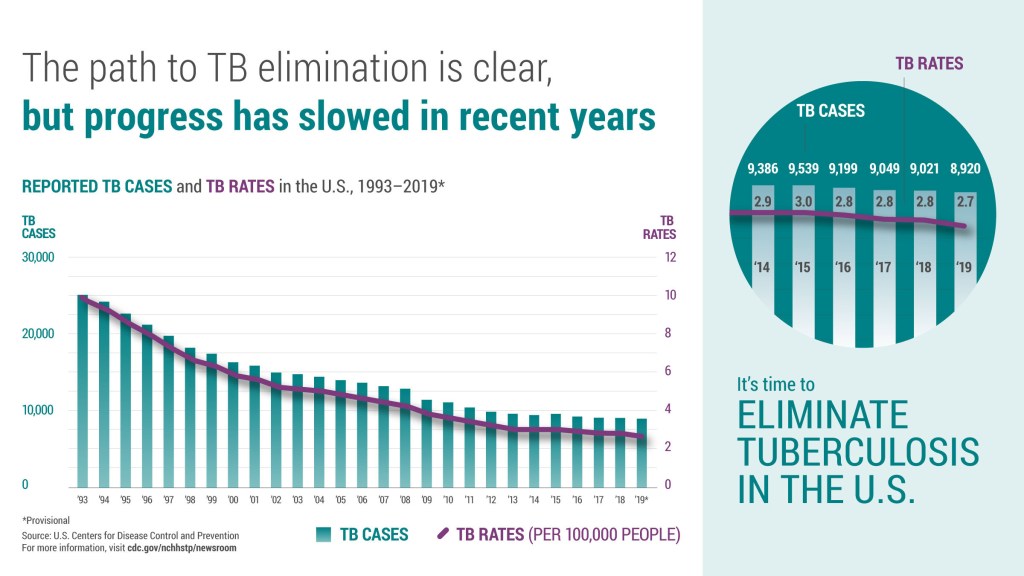
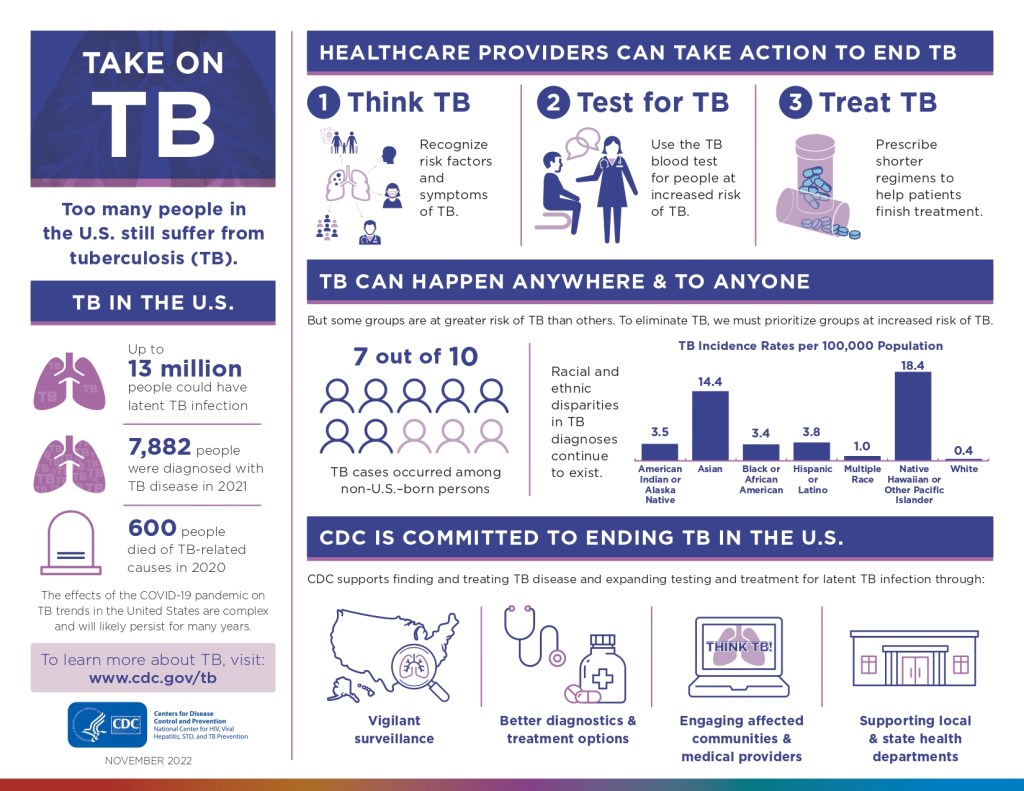
TB has been a gradually diminishing presence in the United States for decades, and currently there are only 2.4 cases per hundred thousand people in our country.

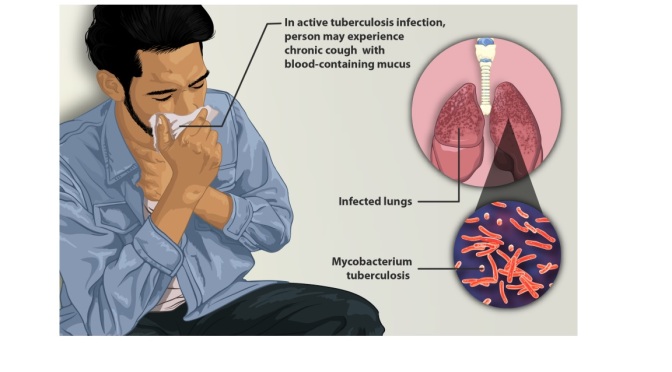
When I was in medical school, TB was still a big problem, and we learned about the fever, night sweats, weight loss and coughing up blood from active tuberculosis. With any of these symptoms, you should, of course, check with a physician.

These severe infections still happen but, currently, tuberculosis occurs primarily in immigrants from other countries, homeless people, prison inmates, people with Immune deficiency, such as cancel therapy and HIV infection.

TB is also  more common in Asians, Native Americans and Eskimos, and Hispanics.

The Ordinary middle class American citizen these days is unlikely to catch tuberculosis, unless they are exposed to somebody that has an active, open case, more likely in people described above.

On first contact, the Tubercle bacillus is almost always controlled by the immune system. Most of these primary cases are without symptoms, and after a few weeks could be picked up by an immune blood test, called the T-spot.TB, or the skin tuberculin test. The chest x-ray can also show a spot on the lung with primary tuberculosis. it is with reactivation that the severe symptoms of secondary TB, described above, can occur.

My own inclination would be to get tested with exposure to any of the groups mentioned above, especially if they have a cough.

Incidentally, there was a dip in tuberculosis incidence during the contagion versus COVID-19 pandemic, showing one more advantage in avoiding big, inside groups.

Catching tuberculosis at the earliest possible moment still continues to be important, especially since long drawn out disease in individuals who have defective immune systems has led to the development of drug resistant organisms.

—Dr. C.

Medicine: A Historical Look At Breast Cancer

Breast cancer is best looked at from the historical perspective, as did Lindsay Fitzharris in the December 3, 2022 issue of the Wall Street Journal.

Can you imagine having breast cancer in the mid 1800s before the germ theory was developed? 50% of all surgeries died of severe infection at that time.  Before the development of anesthesia, of course, cancer removal was extremely painful as well. Even if the patient escaped dying from infection, the one size fits all  often meant removal of some chest wall muscles, leading a gaping wound.

Today, prophylactic breast imaging (mammography) often discovers the cancer at a very early and treatable stage.

Searching the cancer cells for rogue genes and surface markers often shows the way to better treatment; no longer does one size fit all.

Sometimes the breast lump is removed with minimal surgery and radiation is used, often yielding better results than the old time radical mastectomy.

Surgery itself is often aided by tissue biopsy, and now, with “intelligent” knives, gases from the surgical cut, using mass spectrophotometry, can tell the surgeon whether the tissue being cut is cancerous or normal.

Immunization methods are in development which will help your immune system to conquer any residual cancer, and “smart” T cells can be used to attack cancer cells directly.

Breast cancer Is still the most common cause of cancer deaths in women, even with all of the modern developments. Early detection is very beneficial, as with Breast self-examination and regular mammograms as prescribed by your doctor.

Extra care should be taken in families with certain genetic markers like like the BRCA gene.

—Dr. C.

Vitamin D: Importance Of Knowing Blood Levels

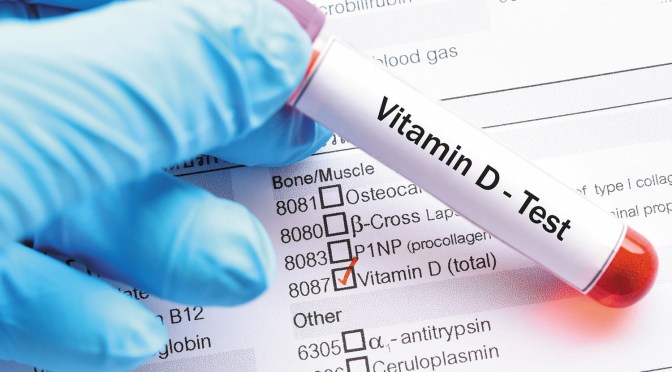
Vitamin D Blood levels are seldom ordered by doctors, or demanded by patients, in spite of the fact that it is the “vitamin of the decade”.

Vitamin D is the sunshine vitamin, since the UVB light normally converts skin cholesterol into vitamin D. The white skin of peoples who migrated into temperate zones such as Europe was very likely a survival factor due to the low amount of sunlight in northern climates  compared to the African tropics, and white skin permits increased vitamin D production.

Vitamin D is most famous as the factor that prevents the childhood bone disease “rickets”. The industrial revolution resulted in kids being in factories, getting insufficient sun exposure, and having an epidemic of rickets.

The Covid pandemic resulted in orders of magnitude more deaths among the elderly, especially those in sunless retirement homes. Eventually, vitamin D became implicated in immune deficiency, and the ability to survive Covid.

Vitamin D Is suspected as a factor in multiple sclerosis, tuberculosis, and even seasonal affective disorder, where there is a great increase in depression during the dark months of winter in extreme northern climates.

The NFL, ever striving to keep their players in top physical condition and accelerate recovery from injury, now supplements their players, and, I hear, requires blood levels of 60 ng./ml and above, more when they are injured. Vitamin D thought to improve muscle strength, and the rate of repair in muscle injury.

A lot of studies have failed to show the benefits claimed for vitamin D, but  a recent large study from Harvard showed that the beneficial effects of vitamin D occur only among thinner individuals with a BMI of less than 25, which is a shrinking percentage of our population. It seems that already healthy people who are not overweight are the only recipients that can benefit from vitamin D, a fat soluble vitamin, which may be tightly held by the excess fat of overweight people.

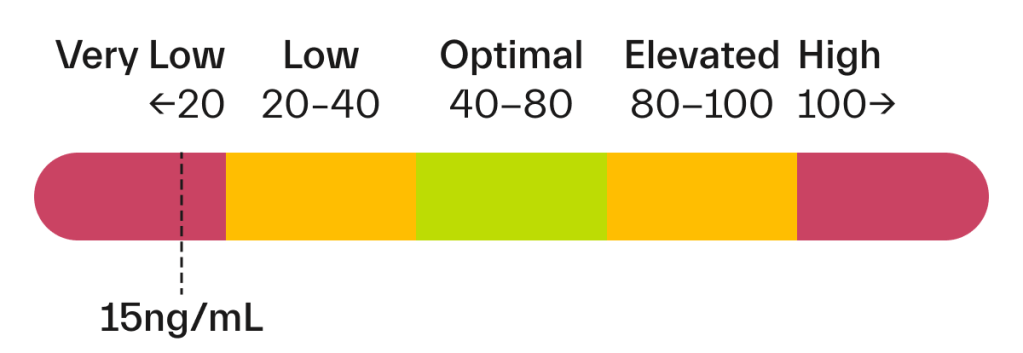
Although I am waiting for more and better studies, I obtain yearly vitamin D blood levels. in fact, I was rather worried recently that my 5000 i.u./day supplementation might be excessive. Not so; it came back as 51 ng/mL The normal level is now considered to be above 30 ng/mL. This was determined in part by finding that the parathyroid hormone blood level was elevated with lower levels of vitamin D, and reached normal only at 30 ng.

How much is too much? It has been documented that most lifeguards in the summer have levels above 100.ng/ mL and there has never been Vitamin D toxicity based on with sun exposure as the sole source of elevation in vitamin D level. “

Getting your vitamin D by sun exposure can lead to skin cancers in later life, however, and my opinion is that VITAMIN D BY ORAL SUPPLEMENTATION IS SAFER.

Checking  your blood vitamin D level should be done at least twice. Once to check the baseline, and, since most people in our mostly inside, sunscreen-using population will not have an adequate level, a second test to be sure that you are adequately and not excessively, supplemented.

My recent results:

Result Value: 51 ng/mL (Vitamin D, 25 Hydroxy)

Reference Range: 30-100 ng/mL (1 ng/mL =  0.83 IU/mL)

Deficiency is  < 20  ng/mL.                 

Insufficiency     20-29  ng/mL

Sufficiency         30-100 ng/mL

—Dr. C.

Dr. C’s Journal: Some Facts Regarding Tuberculosis

Tuberculosis is an ancient killer, and is one of the few diseases that has been traced back to Ancient Egypt and beyond. TB has ravaged humanity for millennia, and was commonly called consumption due to its tendency to produce weight loss.

Once thought to be under control, TB has received a new lease on life with the emergence of AIDS. All countries except North America, western Europe, and Australia have a problem with tuberculosis, which kills more than 1 million people each year.

The tuberculosis germ is unusual in that It has a cell wall high in the lipid, mycolic acid. This protects the germ when it is engulfed by first responders such as macrophages. The infected cell Is surrounded by other macrophages, lymphocytes and Fibroblasts to form a granuloma. This creates a standoff, where the tuberculosis germ is still alive, but walled off, and becomes an inactive or “latent” case of tuberculosis, a small percentage of which become active each year.

Active tuberculosis produces the usual infectious symptoms of fever, chills, and cough, often productive with blood. The tuberculosis germ multipliesu much more slowly than most other bacteria and the symptoms are long and drawn out; a cough lasting for more than a month, especially if accompanied by weight loss, should raise the suspicion of TB.

TB can spread to infect bones, kidneys, liver, and brain,  but prefers the lung.

A spot on the Lung, confirmed by a Tuberculin test, or a blood test called a T-spot, will confirm the diagnosis.

The slow multipication of the tuberculosis Germ requires much longer treatment, and the combination with AIDS has caused a  rapid development of resistant organisms. Fortunately, there are several drugs available.

Only one immunization is currently available, namely BCG. This has been used a lot in Europe and other countries . BCG produces a weekly positive tuberculin test.

A large number of conditions which reduce immunity, such as cigarette smoking, drug use, and immunosuppressive treatments associated with organ transplants and cancer will  predispose a person to catching tuberculosis. TV is transmitted in the tiny droplets from sneezing, coughing, or talking such as we were accustomed to thinking about during Covid. The same preventative measures, such as  masks and avoiding close contact with infected individuals should be practiced to prevent spread from an infected person.

If you follow a healthy lifestyle and are careful when traveling, you will most likely have no trouble with this nasty infection. Please check with the following reference or more complete information.

—Dr. C.

READ MORE

Dr. C’s Journal: What Is Hereditary Hemorrhagic Telangiectasia (HHT)

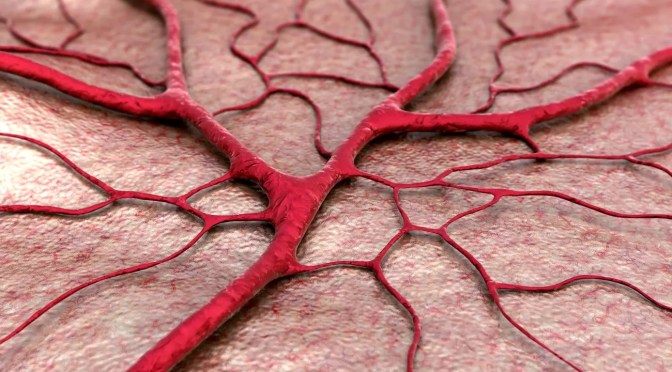
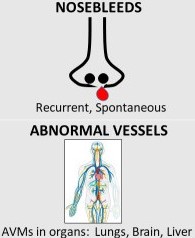
HHT is a rare hereditary condition with abnormal connections between the arteries and the veins. it’s most obvious sign is little spidery blood vessels, which increase with age, most apparently on the lips, but more importantly in the nose, where they lead to the most common problematic symptom, recurrent nosebleeds.

The abnormal connections between arteries and veins, called arteriovenous malformations, most commonly affect the nose, lungs, brain, and liver.

The AVMs in the lung can short-circuit the blood circulation and lead to shortness of breath, as can iron deficiency anemia caused by the frequent nosebleeds, and bleeding from the G.I. tract. Liver nodules, detected by imaging techniques such as CT and ultrasound, can be helpful in confirming the presence of the disease.

The AVMs in the brain can cause headaches and seizures.

The diagnosis is often delayed, unless it is known to run in the family. HHT is often called the great masquerader because of the variety of problems it can cause.

Children of proven HHT should have genetic testing, since the symptoms and telangiectasia are often not present in childhood. There are also other genetic abnormalities linked to HHT that can produce such disparate things as colonic polyps.

If I had this problem, I would invest in a device to monitor my hemoglobin level so as not to slip silently into debilitating anemia. I might also invest 15 or $20 In a fingertip oximeter. If I were short of breath, and not anemic, I might have a pulmonary AVM which bypasses the lung and produces a decrease in the Oxygen saturation.

With respect to Nose bleeds, it is important to maintain an adequate hemoglobin, preferably above 12g, using oral iron on a daily basis, and if necessary supplemented by intravenous iron. It  is also important to avoid medication and foods which cause increased bleeding. This includes the NSAIDs, fish oil, ginkgo, and St. John’s wort. News to me is the possible contribution to nosebleeds of blueberries, red wine, dark chocolate, spicy fruit and spicy foods. It may well be advisable to keep a food diary that that also records when nosebleeds occur. Perhaps you are eating something that affects coagulation that is not on the common lists. Take it with you to your doctor visit.

This is a rare condition, and should be evaluated in a medical center specialized to treat HHT.

CureHHT has some interesting information. My alma mater, UCSF, specializes in this condition.

Mayo clinic and the Cleveland clinic, as well as Wikipedia, have broader, more organized articles on HHT. A link to the former will be attached, and the latter is the most detailed.

—Dr. C.

Read more