If you have endometriosis, you’re all too familiar with the heavy periods, pain and nausea it can cause. Eating these foods might help control the pain and make all the difference.
Chapters: 0:00 Introduction 0:10 What is endometriosis? 0:45 Eating the right foods can help the body fight inflammation 1:01 Fiber rich foods 1:41 Omega-3 fats 2:10 Monounsaturated fats 2:30 Magnesium and zinc 3:25
It’s always important to eat good, healthy food Resources: The Best and Worst Foods for an Anti-Inflammatory Endometriosis Diet – https://cle.clinic/3VeYzyG
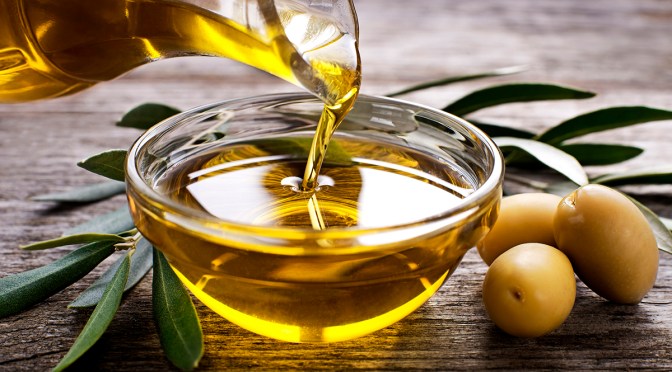
Consuming just a half-tablespoon or more of olive oil a day is linked to a lower risk of dying from heart disease and other chronic health conditions, new research suggests.
The study included more than 92,000 women and men from the Nurses’ Health Study and the Health Professionals Follow-up Study, who filled out diet questionnaires every four years for 28 years. Olive oil intake was calculated from how much they reported using in salad dressings, on bread and other food, and in baking or frying.
Compared with participants who rarely or never consumed olive oil, those who consumed the most (about a half-tablespoon or more daily) had a 19% lower risk of dying from heart disease during the study. Researchers also noted lower death rates over all among people who substituted olive oil for a similar amount of margarine, butter, mayonnaise, or dairy fat. The findings, published Jan.18, 2022, in the Journal of the American College of Cardiology, lend further support for choosing olive oil — a key component of the heart-friendly Mediterranean diet.
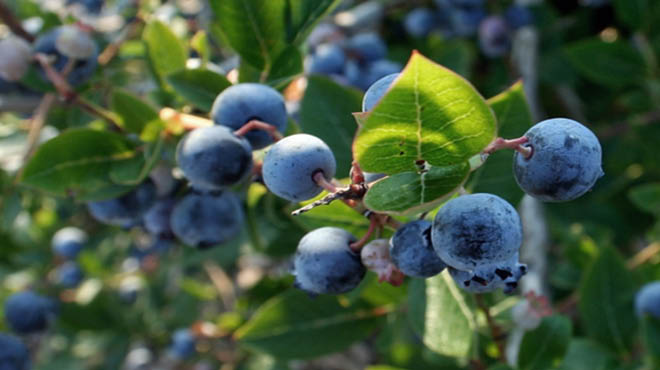
Blueberries might be the best example of how good things come in small packages. Dietitian Anya Miller says that includes protection for your heart, thanks to something called an anthocyanin – a compound in these berries that gives them their deep blue hue. Studies have shown eating foods high in these anthocyanins can help lower your risk of developing coronary heart disease. Besides the heart-healthy perk, that serving of blueberries will get you some vitamin C, dietary fiber and natural sweetness. That makes them blueberries a boost for physical and mental health.
COMMENTARY;
Anthocyanins are a member of the flavonoid plant-chemical family and are responsible for the red and purple colors of many fruits and vegetables. They are pleiotropic (Multi faceted )In their health benefits, and are good for diabetes and metabolic syndrome, obesity, cardiovascular disease, inflammation, dementia and cancer. If this sounds almost too good to be true, the OPTIMAL AMOUNT of anthocyanins has not yet been determined. let’s hope that you cannot ingest too much of these marvelous substances, and that they don’t follow the path of vitamin C, an excess of which can prove detrimental to inflammatory defenses..
On the optimistic side, it’s been stated multiple times in the literature that antioxidant and free radical effects are just part of the benefits conferred by anthocyanins, and that the mechanism of benefit remains to be discovered.
Anthocyanins are present in blueberries, blackberries, bilberries, cherries, red cabbage and so many other fruits and vegetables. The benefits of a fruit and vegetable-based diet have been extolled for a long time, and I am buying into this narrative.
The large amount of fiber present in fruits and vegetables is an independent benefit, not to mention taking up space in the stomach that could displace red meat, saturated fat, and that great enemy of modern civilization, sugar.
Be sure to eat your fruits and vegetables as such, and not in the form of juices, which have the habit of being sweetened, or in the case of tomatoes, loaded with salt.
With fall coming on, also remember that anthocyanins form the basis for much of the brilliant reds and oranges present in the fall leaves; They nourish the eyesight along with the rest of the body.
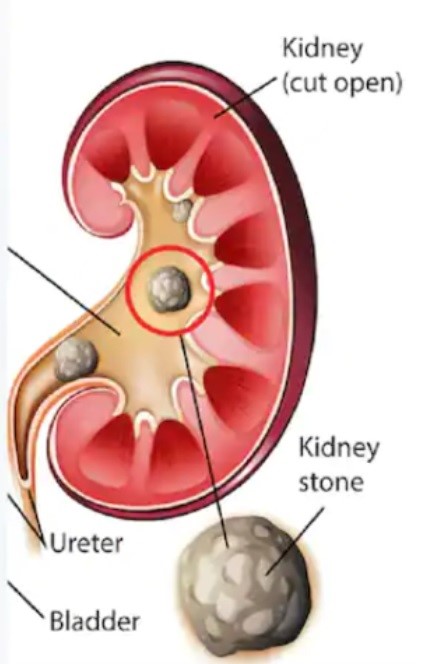
Anyone who has ever had a kidney stone never wants a repeat of the blinding pain that comes when it passes. Now, a new study maps out a diet that can help guard against that.
The cornerstones of that diet include eating plenty of foods that contain potassium, as well as a few servings of low-fat dairy daily, to get enough calcium. High-potassium fruits and veggies that could help include bananas, oranges, grapefruits, apricots, mushrooms, peas, cucumbers, zucchini, and melons such as cantaloupe and honeydew.
To arrive at those recommendations, researchers from the Mayo Clinic used data from questionnaires completed by kidney stone patients between 2009 and 2018. The team compared the diets of 411 people who had already had their first kidney stone and a control group of 384 individuals.
“We had this information and then we, number one, could look at things that … differed between controls and kidney stone formers, but then we’ve also been following these people forward in time,” said study author Dr. John Lieske, director of the O’Brien Urology Research Center at the Mayo Clinic in Rochester, Minn.
During a median of just over four years of follow-up, 73 patients in the study had recurrent kidney stones.
Lower levels of calcium and potassium predicted that recurrence. After adjustments for non-dietary factors, lower calcium continued to be a predictor. So did lower potassium, but only among those who weren’t already taking certain types of diuretics and calcium supplements.
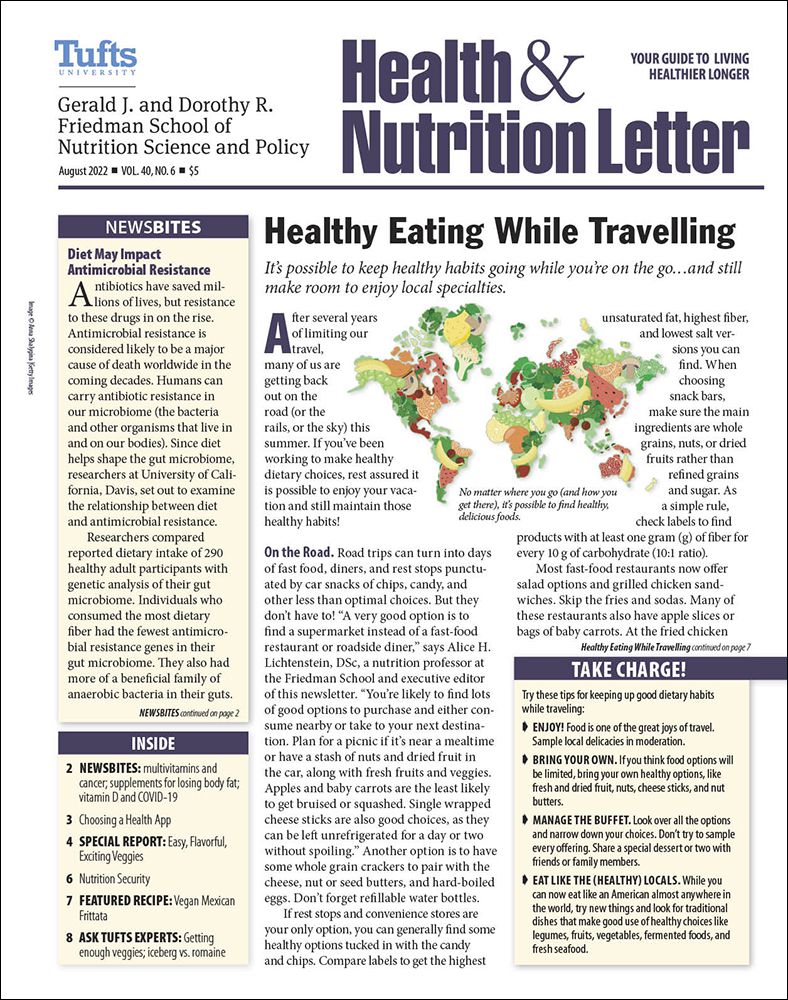
Knowing how to build flavor in vegetable dishes can help you enjoy more of these healthful foods.
The research is clear: eating more whole or minimally processed plants is better for our health. Knowing how to easily make foods like vegetables taste great can help you consume more of these health-promoting options in place of less healthful choices. Building Flavor. Most U.S. adults don’t meet the recommended intake of vegetables. When
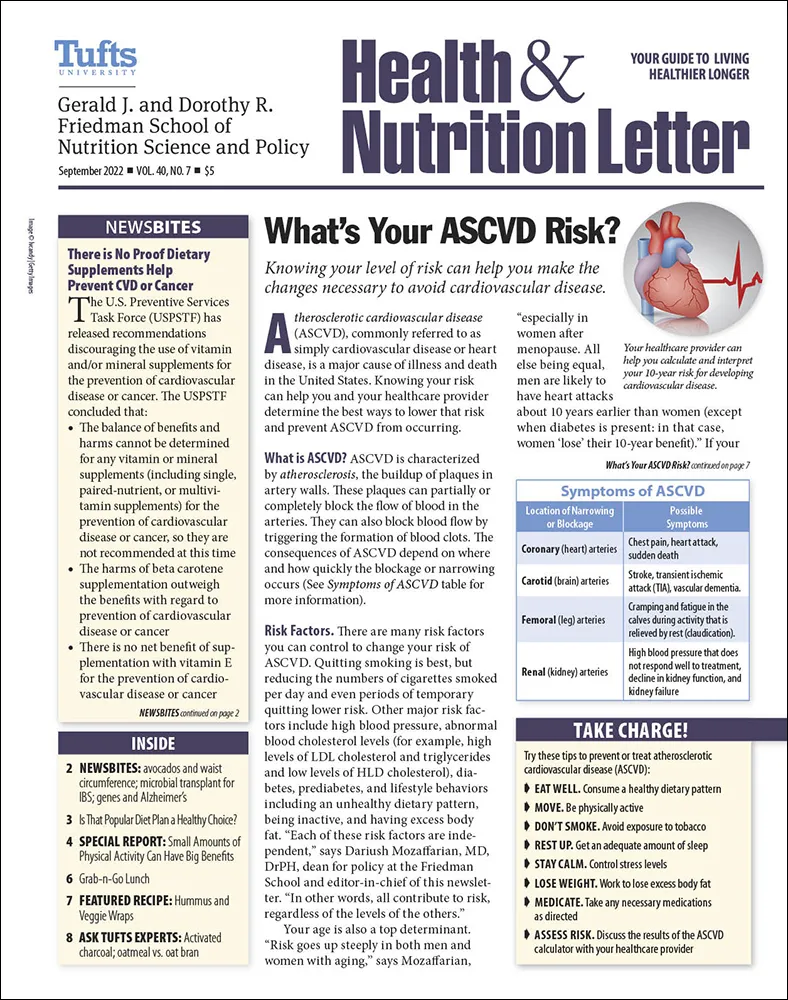
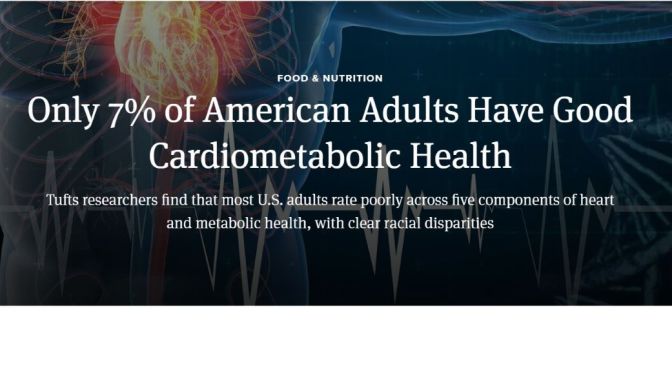
Less than 7% of the U.S. adult population has good cardiometabolic health, a devastating health crisis requiring urgent action, according to research led by a team from @TuftsNutrition. https://t.co/fDnypaSwgS
— Tufts University (@TuftsUniversity) July 5, 2022
ess than 7% of the U.S. adult population has good cardiometabolic health, a devastating health crisis requiring urgent action, according to research led by a team from the Friedman School of Nutrition Science and Policy at Tufts University in a pioneering perspective on cardiometabolic health trends and disparities published in the July 12 issue of the Journal of the American College of Cardiology. Their team also included researchers from Tufts Medical Center.
Researchers evaluated Americans across five components of health: levels of blood pressure, blood sugar, blood cholesterol, adiposity (overweight and obesity), and presence or absence of cardiovascular disease (heart attack, stroke, etc.). They found that only 6.8 percent of U.S. adults had optimal levels of all five components as of 2017-2018.
A new study suggests a high-fiber diet may protect against dementia. In a group of about 3,700 older adults, those who consumed the most fiber had the lowest rates of dementia, and those who ate the least fiber had the highest rates: https://t.co/XbUNndYghs#HarvardHealth
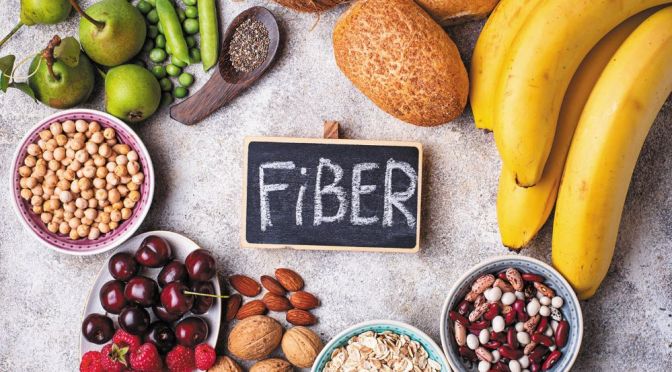
Fiber is known for keeping your digestive system healthy and lowering cholesterol levels. Now, study findings suggest it also may protect the brain from dementia.
The study involved approximately 3,700 healthy adults, ages 40 to 64, who completed routine dietary surveys for 16 years. Researchers then monitored the participants for two decades to see which ones developed dementia. The study revealed that people who consumed the most daily fiber had the lowest rates of dementia. The reverse also was true — those who ate the least fiber had the highest rates. Specifically, the low-risk group consumed an average of 20 grams daily, while those with the highest risk averaged only 8 grams. (The USDA recommends that men over age 50 eat 30 grams of fiber daily.)
Empowering Patients Through Education And Telemedicine


 Doctors Without Waiting Rooms