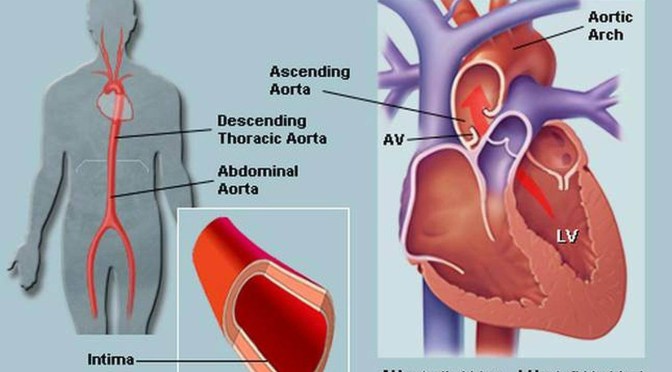

Dr. Lars Svensson and Dr. Marijan Koprivanac discuss all things aorta, such as your past medical history, current health, and how your surgeon looks to the future to provide the best options for you.

Dr. Lars Svensson and Dr. Marijan Koprivanac discuss all things aorta, such as your past medical history, current health, and how your surgeon looks to the future to provide the best options for you.
A weekly podcast on the latest medical, science and telehealth news.


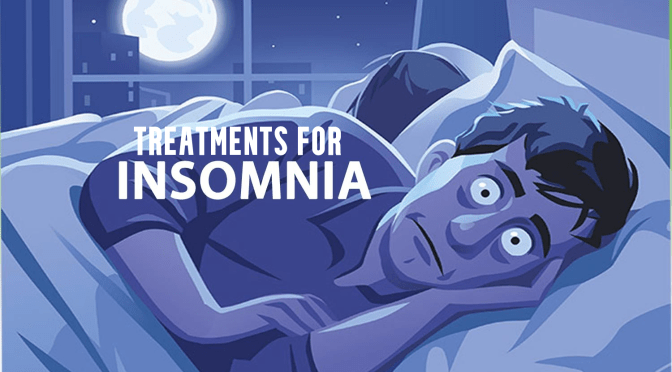
May 4, 2023: Difficulty initiating and maintaining sleep is a common problem for many patients. Over-the-counter sleeping aids are used by many and we commonly get asked for prescription medications to help with their sleep.
Unfortunately, the ideal sleeping medication doesn’t exist and many have potentially worrisome adverse effects, some produce daytime somnolence and others may have the potential to produce dependence.
Cognitive behavioral therapy is an alternative treatment option to pharmacologic therapy and is safe, can be easily taught, and offers an alternative to the many with chronic insomnia. In this podcast, we’ll discuss this innovative treatment option with sleep expert, Michael H. Silber, M.B.Ch.B., a neurologist at the Mayo Clinic.

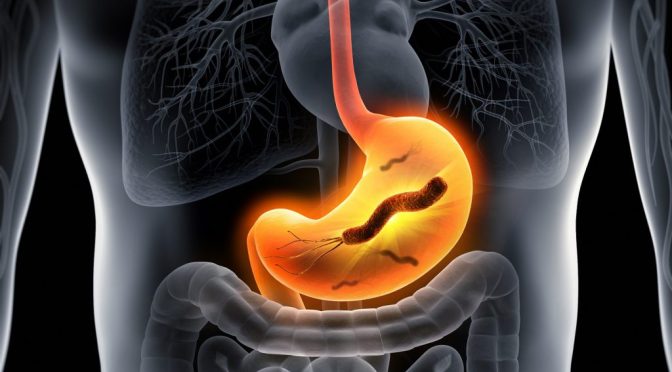
Helicobacter pylori infection causes chronic gastritis, which can progress to severe gastroduodenal pathologies, including peptic ulcer, gastric cancer and gastric mucosa-associated lymphoid tissue lymphoma. H. pylori is usually transmitted in childhood and persists for life if untreated. The infection affects around half of the population in the world but prevalence varies according to location and sanitation standards. H. pylori has unique properties to colonize gastric epithelium in an acidic environment.
The pathophysiology of H. pylori infection is dependent on complex bacterial virulence mechanisms and their interaction with the host immune system and environmental factors, resulting in distinct gastritis phenotypes that determine possible progression to different gastroduodenal pathologies. The causative role of H. pylori infection in gastric cancer development presents the opportunity for preventive screen-and-treat strategies. Invasive, endoscopy-based and non-invasive methods, including breath, stool and serological tests, are used in the diagnosis of H. pylori infection.
Their use depends on the specific individual patient history and local availability. H. pylori treatment consists of a strong acid suppressant in various combinations with antibiotics and/or bismuth. The dramatic increase in resistance to key antibiotics used in H. pylori eradication demands antibiotic susceptibility testing, surveillance of resistance and antibiotic stewardship.
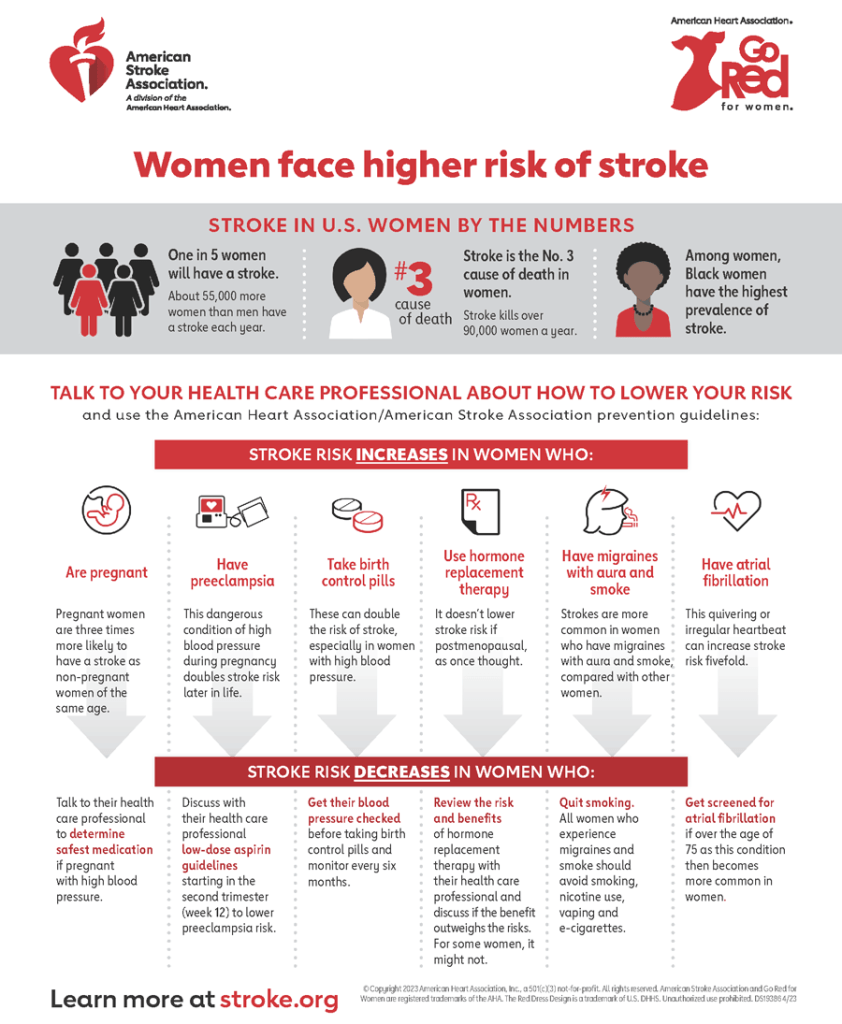
One in 5 women will have a stroke. About 55,000 more women than men have a stroke each year.
Stroke is the No. 3 cause of death in women. Stroke kills over 90,000 women a year.
Among women, Black Women have the highest prevalence of stroke.
Talk to your health care provider about how to lower your risk and use the American Heart Association/American Stroke Association prevention guidelines:



 Doctors Without Waiting Rooms