Antibiotic Resistance: What You Need To Know

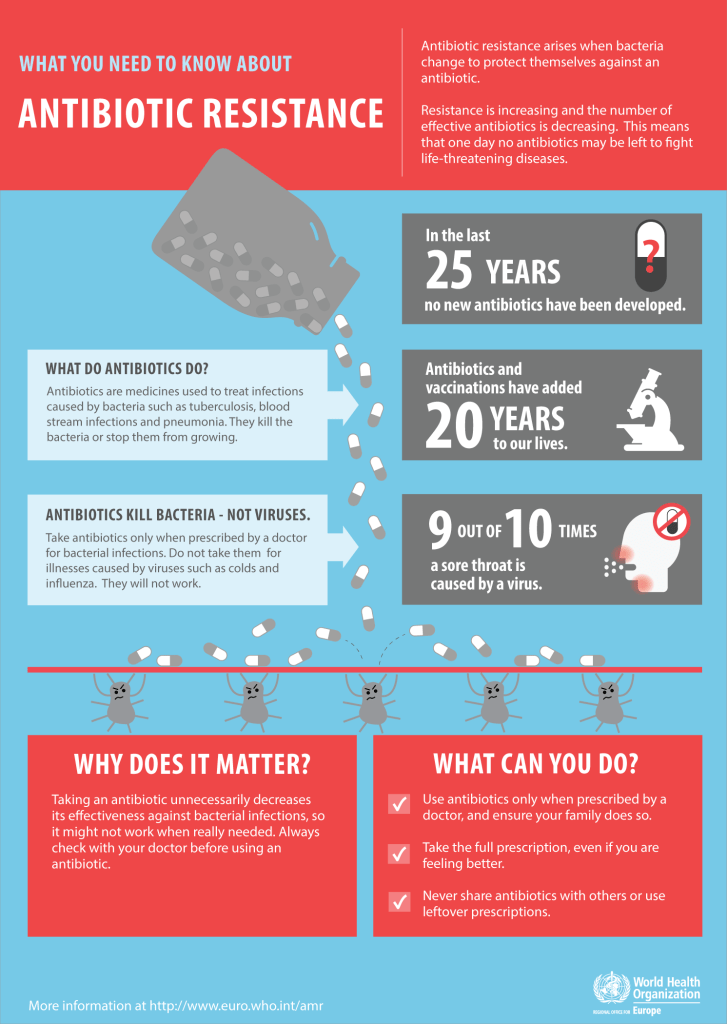
Each year in the US, more than two million individuals become sick with infections caused by antibiotic-resistant bacteria, and more than 23,000 die as a result of these infections. Antibiotic resistance happens when bacteria develop the ability to defeat the drugs designed to kill them.

Antibiotic resistance is a pressing public health issue, and together we can reduce this threat by optimizing antibiotic use and providing the best patient care. All stakeholders can play an important role in improving how antibiotics are used, to ensure that these drugs are available and effective when most needed.
READ MORE

Spinal Stenosis: Causes &Treatment (Mayo Clinic)

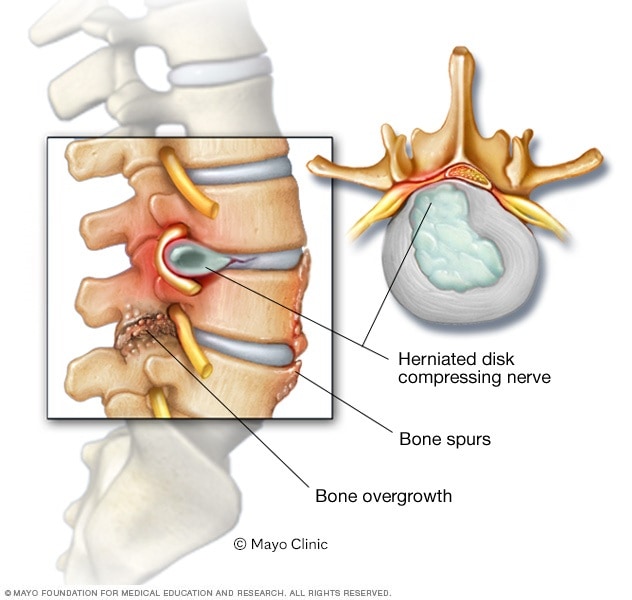
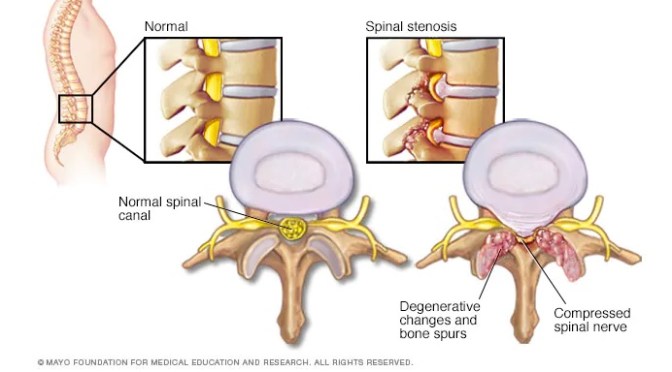
Mayo Clinic (March 30, 2023) – Spinal stenosis happens when the space inside the backbone is too small. This can put pressure on the spinal cord and the nerves that travel through the spine. Spinal stenosis occurs most often in the neck, called cervical spinal stenosis, and in the lower back, called lumbar spinal stenosis.

Spinal stenosis - Symptoms and causes - Mayo Clinic

The most common cause of spinal stenosis is wear-and-tear changes in the spine related to arthritis. Most people with spinal stenosis are over 50. Younger people may be at higher risk of spinal stenosis if they have scoliosis or other spinal problems.

Symptoms

Spinal stenosis often causes no symptoms. When symptoms do occur, they start slowly and get worse over time. Symptoms depend on which part of the spine is affected.

Spinal stenosis in the neck can cause:

  • Numbness
  • Tingling or weakness in a hand, leg, foot or arm
  • Problems with walking and balance
  • Neck pain
  • Problems with the bowel or bladder

Spinal stenosis in the lower back can cause:

  • Pain or cramping in one or both legs that happens when you stand for a long time or when you walk
  • Back pain

Treatment

Treatment for spinal stenosis depends which part of the spine is affected and the severity of your symptoms.

Nonsurgical treatment can include:

  • Medication.
    For control of pain, your health care professional might prescribe nonsteroidal anti-inflammatory drugs, antidepressants, anti-seizure drugs or opioids.
  • Physical therapy.
    A physical therapist can teach you exercises that can build up your strength and endurance, maintain the flexibility and stability of your spine, and improve your balance.
  • Steroid shots.
    Your nerve roots can become irritated and swollen at the spots where they are being pinched. Injecting a steroid medication into the space around the pinched nerve can reduce the inflammation and relieve some of the pain. Repeated steroid injections can weaken nearby bones, tendons and ligaments, though. That’s why a person often must wait many months before getting another steroid injection.
  • Removal of thickened ligament tissue.
    Sometimes, the ligament at the back of the lumbar spine gets too thick. Needlelike tools inserted through the skin can remove some of the ligament. This can create more space in the spinal canal to reduce pressure on nerve roots.

Surgeries to create more space within the spinal canal may include:

  • Laminectomy.
    This surgery removes the back part, or lamina, of the affected spinal bone. This eases pressure on the nerves by making more space around them. In some cases, that bone may need to be linked to nearby spinal bones with metal hardware and a bone graft.
  • Laminotomy.
    This surgery removes only part of the lamina. The surgeon makes a hole just big enough to relieve pressure in a specific spot.
  • Laminoplasty.
    This surgery is done only on spinal bones in the neck. It makes the space within the spinal canal bigger by creating a hinge on the lamina. Metal hardware bridges the gap in the opened section of the spine.

Infections: Overview Of Tickborne Diseases (NEJM)

NEJM Group (March 29, 2023) – In this Double Take video from the New England Journal of Medicine, Sam Telford and Robert Smith provide a clinical overview of the various tickborne diseases commonly encountered across the United States, including Lyme disease, babesiosis, and anaplasmosis, among others.

Starting with characteristics of ticks and their ability to act as disease vectors, the video reviews the clinical presentation of these infections, clues on physical examination, and laboratory tests to consider when encountering a patient with a potential tickborne infection.

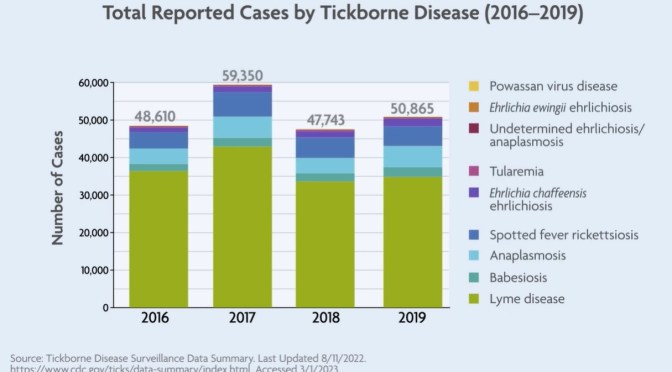
Tick-borne diseases are transmitted through the bite of an infected tick. These include Lyme disease, Anaplasmosis, Ehrlichiosis, Babesiosis, Powassan (POW), Rocky Mountain Spotted Fever, and Tularemia. Ticks can be infected with bacteria, viruses, or parasites.

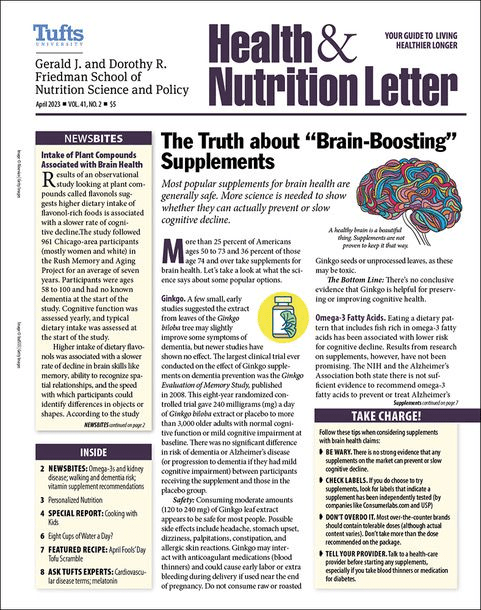
REPORTS: TUFTS HEALTH & NUTRITION – APRIL 2023

Tufts Health & Nutrition Letter (April 2023):

  • The Truth about “Brain-Boosting” Supplements
  • News Bites
  • Personalized Nutrition
  • Special Report: Cooking with Kids
  • Eight Cups of Water a Day?
  • Featured Recipe: April Fools’ Day Tofu Scramble
  • Ask Tufts Experts: Cardiovascular Disease; Melatonin

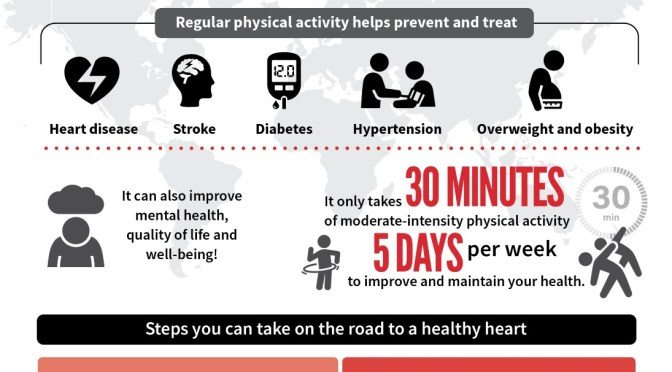
Studies: Regular Exercise Prevents Heart Disease

 Frequent exercise is robustly associated with a decrease in cardiovascular mortality as well as the risk of developing cardiovascular disease. Physically active individuals have lower blood pressure, higher insulin sensitivity, and a more favorable plasma lipoprotein profile. Animal models of exercise show that repeated physical activity suppresses atherogenesis and increases the availability of vasodilatory mediators such as nitric oxide.

Exercise has also been found to have beneficial effects on the heart. Acutely, exercise increases cardiac output and blood pressure, but individuals adapted to exercise show lower resting heart rate and cardiac hypertrophy. 

READ MORE


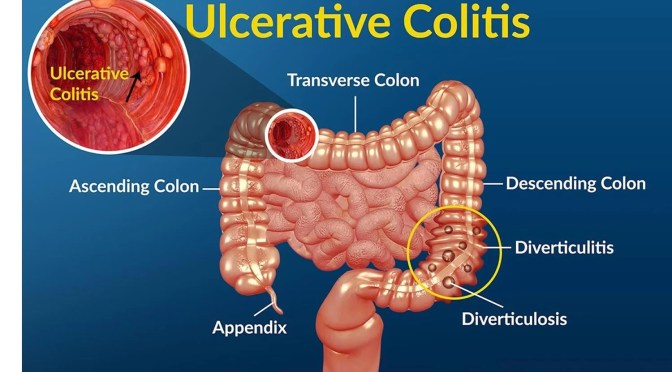
Treatments: Hyperbaric Oxygen Therapy Benefits For Ulcerative Colitis

Northwestern Medicine (March 21, 2023) – Parambir Dulai, MD, is studying the use of hyperbaric oxygen therapy to treat severe ulcerative colitis. The treatment delivers oxygen into the tissues to promote healing.

What Is Ulcerative Colitis?

Ulcerative colitis is an inflammatory bowel disorder that affects the large intestine and rectum, causing bleeding. This chronic condition impacts more than 900,000 Americans. It can begin at any age, but it often starts in young adulthood. Older men are more likely to be diagnosed than older women.

There is no cure for ulcerative colitis, but with treatment, the majority of patients can be symptom-free for long periods of time.

READ MORE

Aging: Mild Cognitive Impairment Vs Dementia

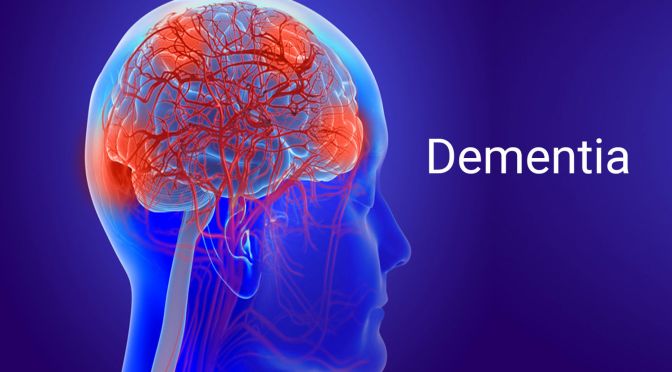
Mild cognitive impairment (MCI) is a condition in which people have more memory or thinking problems than other people their age. The symptoms of MCI are not as severe as those of Alzheimer’s disease or a related dementia. People with MCI can usually take care of themselves and carry out their normal daily activities.

People with MCI are at a greater risk of developing Alzheimer’s disease or a related dementia. Estimates vary as to how many people who have MCI will develop dementia. Roughly one to two out of 10 people age 65 or older with MCI are estimated to develop dementia over a one-year period. However, in many cases, the symptoms of MCI stay the same or even improve.

READ MORE

Kidney Cancer: What Are The Treatment Options?

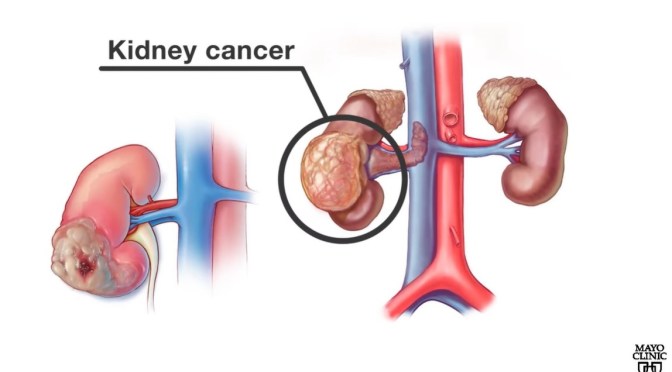
Mayo Clinic (March 20, 2023) – How is kidney cancer treated? About 50,000 people in the U.S. are diagnosed with kidney cancer.

Risks factors for developing this type of cancer include environmental exposures like smoking, high blood pressure, a history of kidney failure, obesity, or not having a healthy weight. And there are also hereditary syndromes that may your risk for kidney cancer.

Dr. Thai Ho, a Mayo Clinic oncologist who specializes in genitourinary malignancies, says there are no screening tests specifically for kidney cancer. When it is discovered early, it’s usually from an imaging test for another issue.