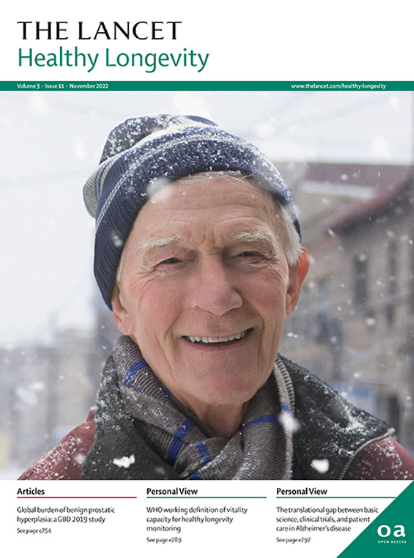

Inside the November 2022 Issue:
Research & review on #Alzheimers, global burden of benign prostatic hyperplasia, #WHO def of vitality capacity, IPD meta on social connection & #cognition, #oralhealth for older people & more.

Inside the November 2022 Issue:
Research & review on #Alzheimers, global burden of benign prostatic hyperplasia, #WHO def of vitality capacity, IPD meta on social connection & #cognition, #oralhealth for older people & more.
“Our study showed that the highest level of patient satisfaction within telemedicine visits was actually among patients within the 65 to 79-year-old age range—which has been an age group often seen as resistant to this mode of care,” says Bart Demaerschalk, M.D., a Mayo Clinic neurologist and senior author. “These findings show how important it is that health care organizations don’t exclusively target telemedicine to their younger, more tech-savvy patients.”

The study, published in the Patient Experience Journal, evaluated patient satisfaction scores from over 300,000 patients treated either in-person or via video telemedicine during the COVID-19 pandemic.
While researchers found that patient satisfaction ratings were overall equivalent across the two modes of care, they did observe several interesting trends within certain age groups, genders, and races, which countered historical perceptions of telemedicine and represent opportunities for future study.
A weekly podcast on the latest medical, science and telehealth news.

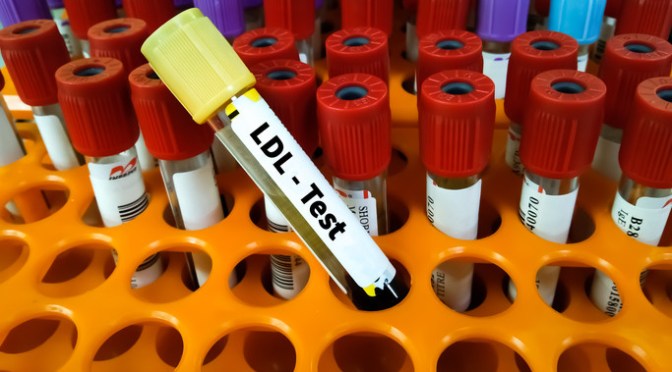
Target LDL depends on many factors, including your age, family history, and personal history of cardiovascular disease. For people at intermediate risk, LDL should be lowered by 30% to 50%. For those who have already had a heart attack, target LDL is no more than 70 mg/dl (note: automatic download).
Five non-statin therapies described in this post aim to help people achieve target LDL goals while minimizing side effects. They may be combined with a statin or given instead of statins.
Each helps lower LDL cholesterol when diet and statins are not sufficient, such as when there is a family history of high cholesterol (familial hypercholesterolemia). But so far, only two options are proven to reduce cardiovascular risk — the risk for heart attack, stroke, heart failure, and other issues affecting the heart and blood vessels.
Ezetimibe (Zetia)
What it does: Lowers LDL and cardiovascular risk by reducing cholesterol absorption.
How it’s given: A daily pill
Relatively inexpensive and often given with statins.
PCSK9 inhibitors, alirocumab (Praluent) and evolocumab (Repatha)
What it does: A protein called PCSK9 controls the number of LDL receptors on cells. These medicines are monoclonal antibodies against PCSK9 that increase LDL receptors on the liver, helping to clear circulating LDL from the bloodstream.
How it’s given: A shot every two to four weeks
Highly effective for lowering LDL, but expensive and may not be covered by insurance.
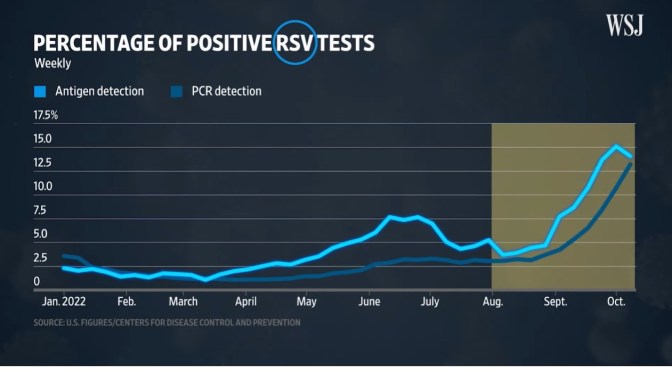
Physicians are reporting high numbers of respiratory illnesses like RSV and the flu earlier than the typical winter peak. WSJ’s Brianna Abbott explains what the early surge means for the coming winter months.
Respiratory syncytial virus (RSV) causes infections of the lungs and respiratory tract. It’s so common that most children have been infected with the virus by age 2. Respiratory syncytial (sin-SISH-ul) virus can also infect adults.
In adults and older, healthy children, RSV symptoms are mild and typically mimic the common cold. Self-care measures are usually all that’s needed to relieve any discomfort.
RSV can cause severe infection in some people, including babies 12 months and younger (infants), especially premature infants, older adults, people with heart and lung disease, or anyone with a weak immune system (immunocompromised).
HHT is a rare hereditary condition with abnormal connections between the arteries and the veins. it’s most obvious sign is little spidery blood vessels, which increase with age, most apparently on the lips, but more importantly in the nose, where they lead to the most common problematic symptom, recurrent nosebleeds.
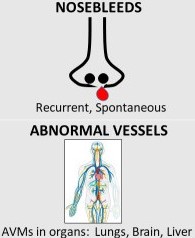
The abnormal connections between arteries and veins, called arteriovenous malformations, most commonly affect the nose, lungs, brain, and liver.
The AVMs in the lung can short-circuit the blood circulation and lead to shortness of breath, as can iron deficiency anemia caused by the frequent nosebleeds, and bleeding from the G.I. tract. Liver nodules, detected by imaging techniques such as CT and ultrasound, can be helpful in confirming the presence of the disease.
The AVMs in the brain can cause headaches and seizures.
The diagnosis is often delayed, unless it is known to run in the family. HHT is often called the great masquerader because of the variety of problems it can cause.
Children of proven HHT should have genetic testing, since the symptoms and telangiectasia are often not present in childhood. There are also other genetic abnormalities linked to HHT that can produce such disparate things as colonic polyps.
If I had this problem, I would invest in a device to monitor my hemoglobin level so as not to slip silently into debilitating anemia. I might also invest 15 or $20 In a fingertip oximeter. If I were short of breath, and not anemic, I might have a pulmonary AVM which bypasses the lung and produces a decrease in the Oxygen saturation.
With respect to Nose bleeds, it is important to maintain an adequate hemoglobin, preferably above 12g, using oral iron on a daily basis, and if necessary supplemented by intravenous iron. It is also important to avoid medication and foods which cause increased bleeding. This includes the NSAIDs, fish oil, ginkgo, and St. John’s wort. News to me is the possible contribution to nosebleeds of blueberries, red wine, dark chocolate, spicy fruit and spicy foods. It may well be advisable to keep a food diary that that also records when nosebleeds occur. Perhaps you are eating something that affects coagulation that is not on the common lists. Take it with you to your doctor visit.
This is a rare condition, and should be evaluated in a medical center specialized to treat HHT.
CureHHT has some interesting information. My alma mater, UCSF, specializes in this condition.
Mayo clinic and the Cleveland clinic, as well as Wikipedia, have broader, more organized articles on HHT. A link to the former will be attached, and the latter is the most detailed.
—Dr. C.


 Doctors Without Waiting Rooms