Vaginal yeast infections are very common, happening to over 1 million women in the United States each year. A type of vaginitis, a vaginal yeast infection is caused by a specific type of yeast called candida. You always have yeast in your body, but when it grows rapidly, you can get an infection.
Video timeline: 0:00 Intro 0:09 Get a prescription from your doctor 0:32 Try an over-the-counter anti-fungal cream 1:03 Does yogurt treat a yeast infection? 1:30 Does vinegar treat a yeast infection? 2:03 Should you try home remedies to treat yeast infections?
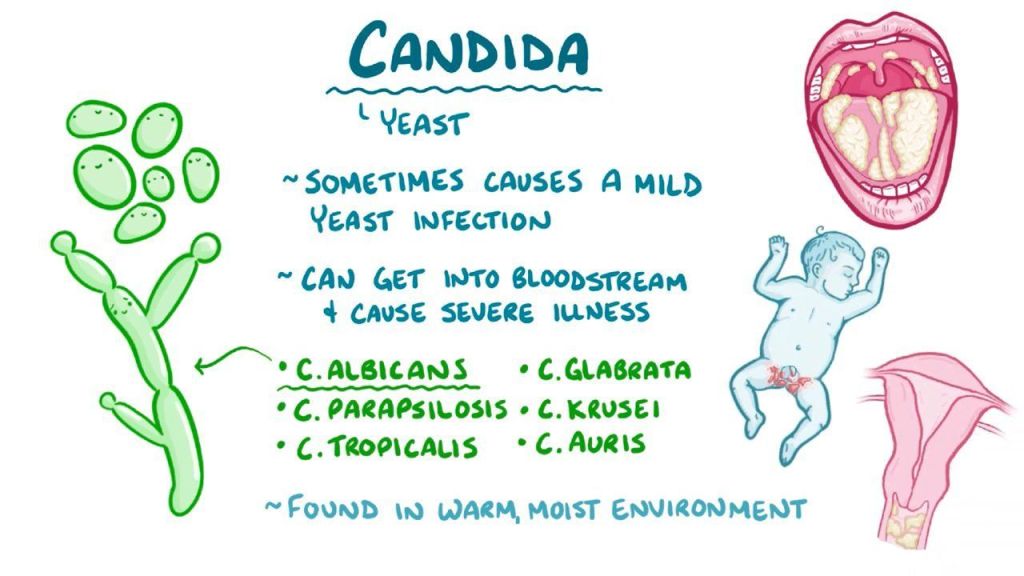
Candida albicans is a ubiquitous yeast that has evolved the ability to stick to mucocutaneous linings, e.g. mucous membranes and skin. When present in the mouth it is called thrush, and on the skin intertrigo, or diaper rash among other names.
Almost everybody is infested by candida in low amounts, as indicated by the common incidence of a whitish membrane (thrush) in the mouth of people who regularly use inhaled corticosteroids for asthma. The Cortisone lowers the resistance, enabling the fungus to grow more profusely. The use of broad-spectrum antibiotics also facilitates the growth of Canada by killing off the competition.
Diabetes is a risk factor that commonly increases difficulties that people have in controlling candida growth in their oral and genital areas. Certainly anything that affects the immune system such as very young or very old age, viral infections especially AIDS, organ transplants, and chemotherapy will increase the incidence of Canada.
Due to it’s widespread presence in the body, Candida albicans is the fourth most common cause of bloodstream infections among hospitalized patients, where it grows on indwelling catheters and other in certain devices, which act as avenues for the yeast to invade the bloodstream.
Candida Auris is a member of the same genus, Candida,that has developed some gain of function mutations to allow it to infect the body much more readily. It is very hard to get rid of, and at least one emergency room has been shut down because of a Candida Auris infestation. Another little trick that it has evolved is resistance to most antifungal agents; The mortality rate of systemically infected people is very high.
The combination of greater infectivity and resistance to treatment makes it formidable indeed, but still it is mainly a problem for immuno suppressed individuals. C. Auris is not as widespread as Candida albicans, and the number of cases is currently nowhere near as great. But if you get it, watch out!
As with so many other problems, it is better not see them. In other words, stay healthy with sleep, diet and exercise.
–Dr. C
Empowering Patients Through Education And Telemedicine



 Doctors Without Waiting Rooms