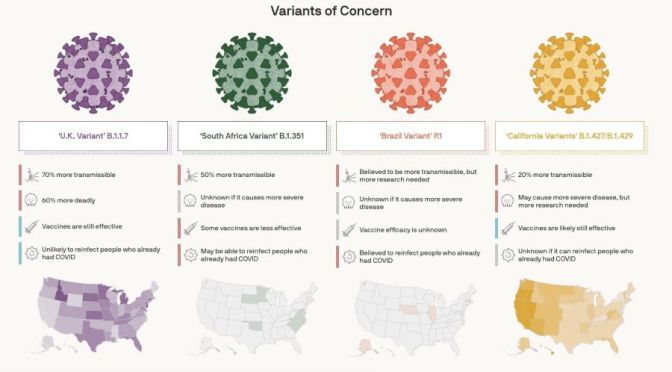
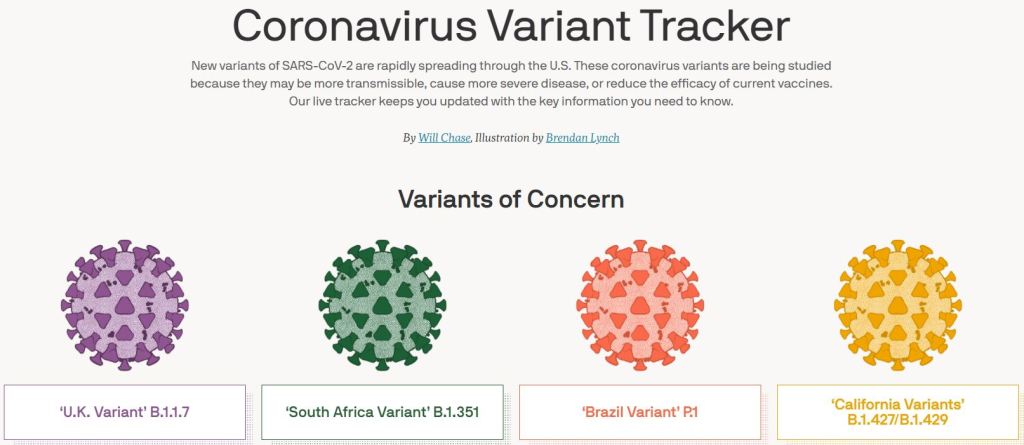
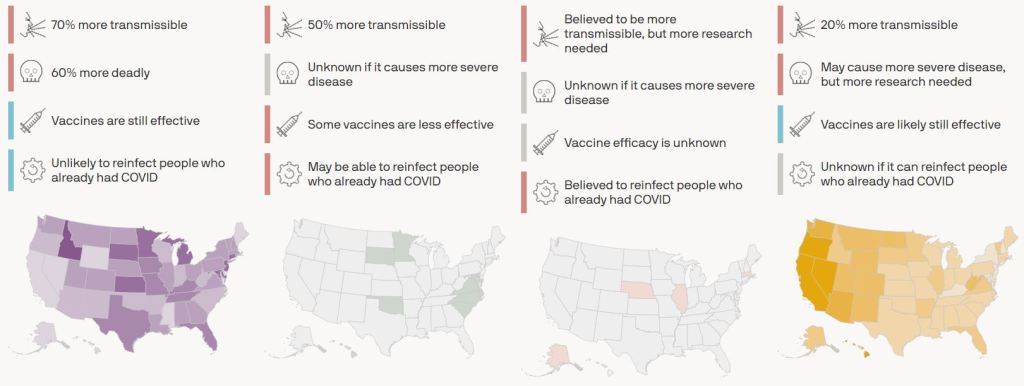
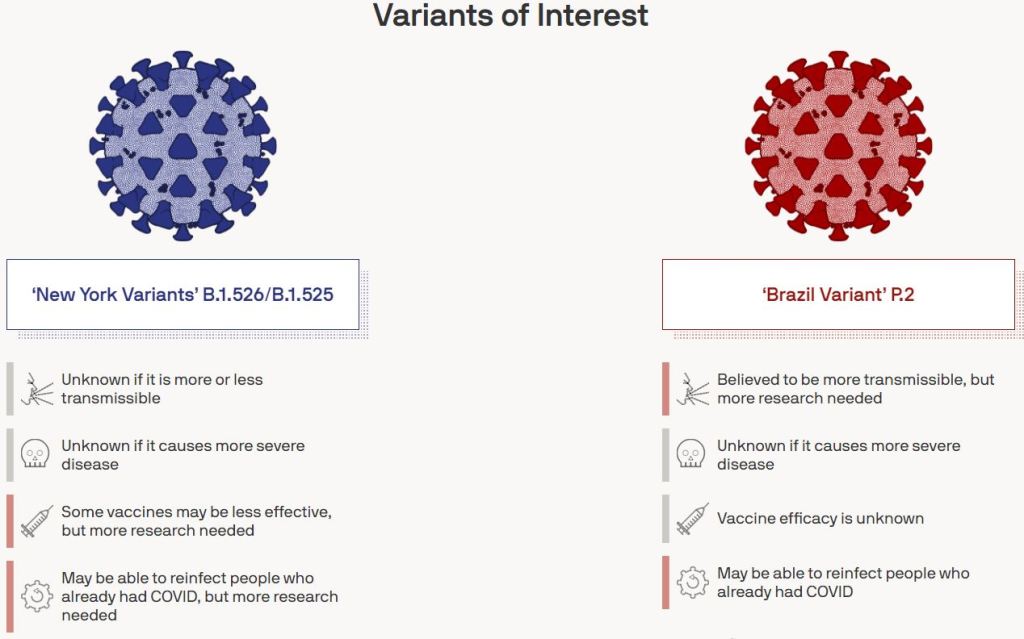

Just two months ago, the incredible performance of new vaccines from Moderna and Pfizer had people cheering for an imminent end to the pandemic. But an onslaught of fast-spreading and potentially dangerous mutations of the virus changed that.
So now, even as pharma companies ramp up production in the early stages of a massive rollout, they are racing to retool their vaccine strategies. Robert Langreth reports that booster shots could give drugmakers a lucrative new revenue stream.
Over the course of the pandemic, scientists have been monitoring emerging genetic changes to Sars-Cov-2. Mutations occur naturally as the virus replicates but if they confer an advantage – like being more transmissible – that variant of the virus may go on to proliferate.
This was the case with the ‘UK’ or B117 variant, which is about 50% more contagious and is rapidly spreading around the country. So how does genetic surveillance of the virus work? And what do we know about the new variants? Ian Sample speaks to Dr Jeffrey Barrett, the director of the Covid-19 genomics initiative at the Wellcome Sanger Institute, to find out Coronavirus – latest updates See all our coronavirus coverage.


 Doctors Without Waiting Rooms