Tag Archives: Respiratory Infections

Dr. C’s Journal: 2022-23 Respiratory Infections

You should get your flu shot this year. Not only has he influenza Genie been kept in its bottle by Covid precautions, and overdue for a bad year, but the H3N2 serotype circulating around is a good match for today’s vaccine; you may have been disappointed by the lack of protection in the past, due to the vaccine poorly matching the prevalent infecting serotype, caused by the rapid change of the virus and slow changes in the vaccine.

With RSV already making a comeback, influenza likely to be bad, and Covid likely a big problem also, You would be well advised to start going back to your masks, keeping your distance, avoiding large groups, and making sure your inside exposures are well ventilated, not to mention getting the most recent covalent Covid shot, which contains BA.1 and BA.2.

The common cold with running nose, sneezing, and nasal congestion, is usually caused by rhinoviruses, of which there are several hundred serotypes, although can be caused by any of the respiratory viruses. Whenever I traveled, I often came back with a cold because my immunity at home was based on the common rhinoviruses at home, and when I traveled, I encountered different types, to which I was not immune. Many other viral types can also cause the common cold including influenza, para influenza, and even coronavirus. In asthmatic children, the rhinovirus also produces an asthmatic response, often severe.

Croup in children is often produced by parainfluenza type one virus.

Bronchiolitis in children is usually caused by RSV. There is currently no vaccine for RSV.

Influenza, the “flu”,  starts out with chills and fever, often settles into the lung. The influenza virus is usually the initiating culprit, but bacterial infection often follows. Coronavirus infection may start as “the flu” with the respiratory symptoms, such as runny nose, sore throat, and cough following.

Pneumonia is often produced by coronavirus, Especially the early strains. The more recent epidemic strains such as BA .1, Seem to have traded increased transmissibility for less lung affinity.

Avian influenza, H5N1 Is highly lethal with pneumonia, but you catch it from birds rather than people at the present time. Watch out if it ever starts spreading from human to human.

Most respiratory infections begin as a viral infection, which are not affected by antibiotics. Bacterial complications, such as  otitis media, sinusitis, and pneumonia may follow, facilitated by the viruses, which lower immune resistance.

There are a number of antiviral agents, especially for coronavirus and Influenza. RSV may have effective treatments, which are needed particularly in babies.

–Dr. C
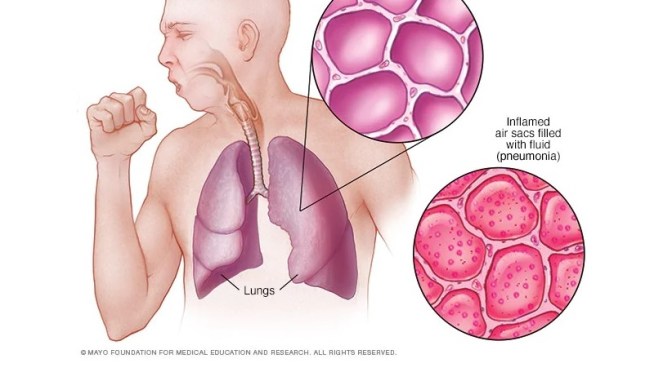
Infographic: Diagnosis & Treatment Of Pneumonia

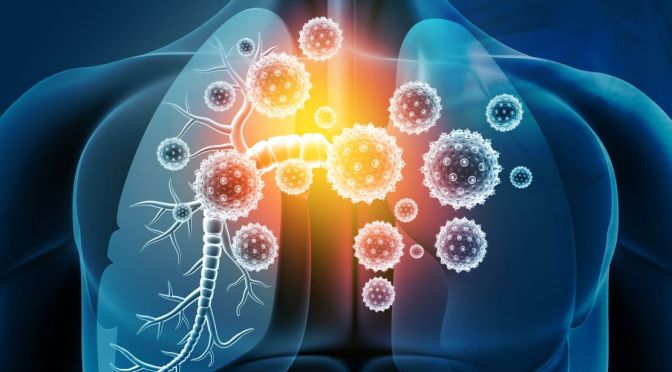
Pneumonia is an infection that inflames the air sacs in one or both lungs. The air sacs may fill with fluid or pus (purulent material), causing cough with phlegm or pus, fever, chills, and difficulty breathing. A variety of organisms, including bacteria, viruses and fungi, can cause pneumonia.

Pneumonia can range in seriousness from mild to life-threatening. It is most serious for infants and young children, people older than age 65, and people with health problems or weakened immune systems.

The IGA Immune System And Nasal Immunization

The IGA immune system comprises approximately 2/3 of all the immune cells in the body. Intestinal tract, respiratory tract, and skin are all exterior surfaces and are required to hold the environments’ many pathogens at bay.

IGA is one of several classes of immunoglobulins, the others being Gamma M, Gamma E, and several sub classes of Gamma G. They each have different structures and functions, but all have the basic underlying mechanisms of antigen presentation, clonal expansion, heavy chain and light chain dimers and specificity.

Mucosal gamma A occurs in pairs, with a junctional J chain and a secretory piece; The latter serves as a type of receptor on the cell surface; Imagine millions of gamma A combining sites waving on the surface of respiratory and intestinal epithelium waiting for pathogens to come along. Once combined with the virus or bacterium, they are shed into the mucus and eliminated before the virus can get to the mucosal cells.

With an IM injection of COVID-19 vaccine, all of the immunoglobulin classes except for Gamma E respond, with the earliest anybody at four or five days and peaking at 11 to 12 days. Gamma A  in the serum occurs as a single antibody, as opposed to the secretory IGA which occur in pairs. Gamma G and M reside in the serum, and do not occur in any significant amounts in the mucus, leaving  secretory gamma A alone to directly face the outside world.

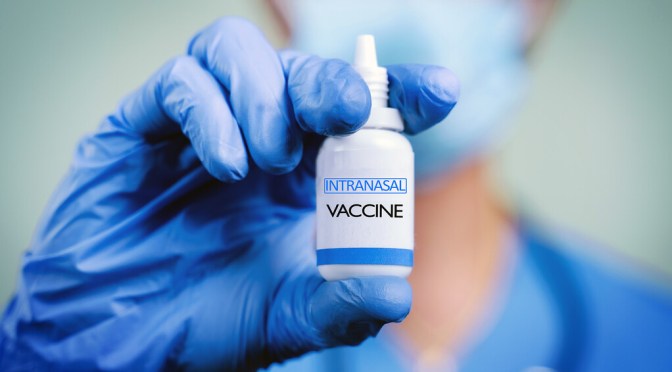
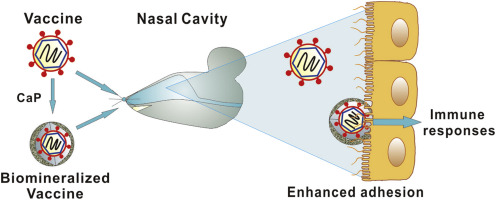
Nasal immunization should theoretically be the route of choice for respiratory viruses. There is a vigorous response not only in the production of mucosal secretory IGA, but also in the production of serum immunoglobulins including IgG. However, the Titanic of medical practice turns very slowly. Part of the problem is probably tradition; immunizations have always been given by subcutaneous or intramuscular injection.

When a substance is injected, you know that it’s in the body in a precise amount, the tissues are very vascular, and the pick up rate is known, and it works well. With IM immunizations, people may get sick, because the lining membranes are not protected, but the immunized person rapidly produces huge amounts of IgG which usually keeps the infection under control. Covid is unique in its ability to evade the innate immune system, and multiply rapidly before the humoral immune response is adequate. Also, Covid  Immunity wanes rapidly, aided by the fact that Covid is always changing it’s outer form.

There are more than a dozen nasal Covid vaccines being investigated, and the early studies on hamsters and mice showed a robust mucosal antibody production as well as a serum IgG production at least as great as intramuscular injection.

There are, however, several problems. An attenuated, live COVID-19 vaccine would theoretically be the best, since the virus itself is able to get into the cells and start replicating. However, lack of experience makes the medical profession fearful. There are a huge number of “do not give to” warnings on the only currently approved nasal vaccine, which is an attenuated influenza virus. There are worries about immunodeficient people, older people, pregnant people and about the possibility that the attenuated virus will go into the central nervous system via the olfactory system.

There are practical concerns as well. Viral vector vaccines may stimulate an amnestic response to the vector that excludes the vaccine from entering the cells. The nasal vaccine might be swept away with the mucus. How much is the vaccine will remain in the nasal tissues? Will patients have any confidence in the vaccine since it’s just a spray in the nose? Will it be abused, since literally anybody could administer the nasal vaccine.

The bottom line is that of the many vaccines in trial, not a single one is expected to be approved until the early fall. Interestingly, Pfizer is working with an mRNA nasal vaccine. DNA nasal vaccines are also being tried, since DNA is a more stable molecule. A number of adenoviral vectored vaccines are in trials.

The nasal route for immunization is so promising that I believe we will eventually have nasal vaccines, hopefully tailored for current viral variants.

Nasal antibody administration, or a small molecule drug that will combine with Covid are being looked at, but since they do not produce more than transient effects, I doubt if they will be very popular. Carrageenan is an approved substance that ties up viruses, and might have a chance to succeed as a nasal spray treatment.

Pills are so much for more familiar to people as a treatment device, and seem more attractive to drug companies. I do not believe that nasal sprays will replace them as the staple of outpatient medical treatment.

—Dr. C.

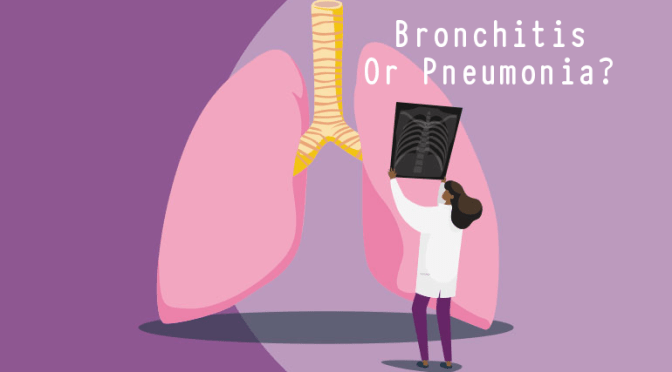
Bronchitis Or Pneumonia: What Is The Difference?