
Tag Archives: Resources
DOCTORS PODCAST: MEDICAL & TELEHEALTH NEWS (NOV 20)
A weekly podcast on the latest medical, science and telehealth news.
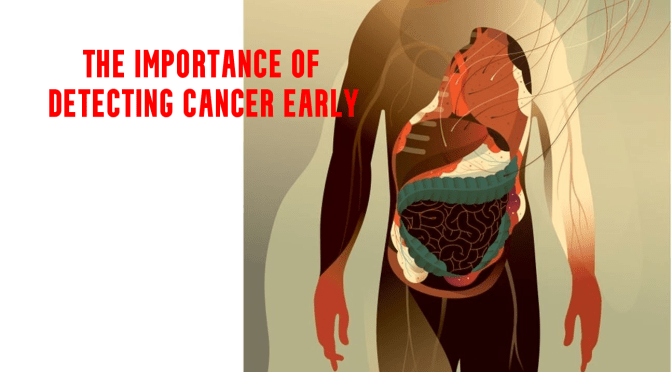
Views: The Importance Of Detecting Cancer Early
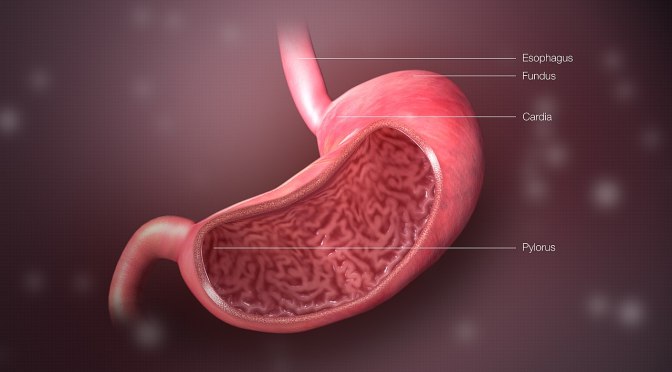
DR. C’S JOURNAL: IT PAYS TO BE KIND TO YOUR STOMACH
This whipping boy of humanity is regularly insulted by all sorts of concoctions dictated by our taste buds and psyche, not to mention the many drugs required to treat our poor health. It is amazing how much abuse it can absorb with minimal complaint.
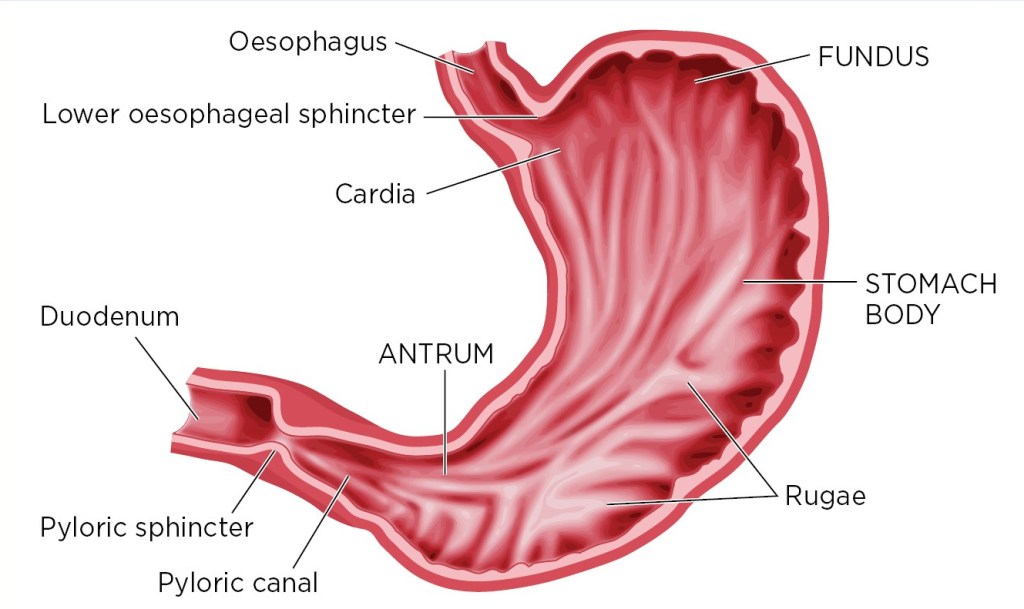
The stomach has evolved as a “fiery pit” of high acid content to intercept various bacterial invaders. Fortunately a few escaped to populate our intestinal tracts, where they are mostly beneficial. One bacterium in particular evolved to tolerate the high acidic conditions of the stomach, like extremophile bacteria tolerate the “smoking vents” underneath the sea. This is the famous helicobacterium pylori, which caused most gastric ulcers in the early days of my medical career. Ulcers were then treated by an ongoing special diet. Now they are treated by a simple course of antibiotics.
The stomach evolved a special lining to tolerate the acid, and a valve to keep it in place. Over time this valve may weaken, allowing the acid to reflux back into the swallowing tube, the esophagus. This produces the familiar heartburn that most of us have experienced, and if chronic, can produce inflammation and the condition called Barrett’s esophagus, which frequently leads to gastric cancer.
Gastric cancer comprises only about 1.5% of cancers in the United States, but in Korea it is the most common cancer. This may be because of the Korean diet, Which often finds nitrites in close proximity to proteins, which donate an amine group to form the carcinogen nitrosamine.
I have begun a time restricted eating program, where I eat my entire days food within a six hour window. My stomach has seemed to tolerate this, but I have noticed that when I eat a lot of fat late in the day (I like half-and-half on my oatmeal) my stomach will object. Alcohol does the same thing, and when I was in medical school we used to give a dose of alcohol to stimulate stomach acid production, as a test.
If you have a lot of pain in the area of the stomach (the epigastrium), chronic heartburn or trouble swallowing chunks of meat, you may well need to see a gastroenterologist, who will look into the esophagus and stomach to check for problems.
Please check the following Mayo clinic articles for more information.
—Dr. C.
DOCTORS PODCAST: MEDICAL & TELEHEALTH NEWS (NOV 7)
A weekly podcast on the latest medical, science and telehealth news.

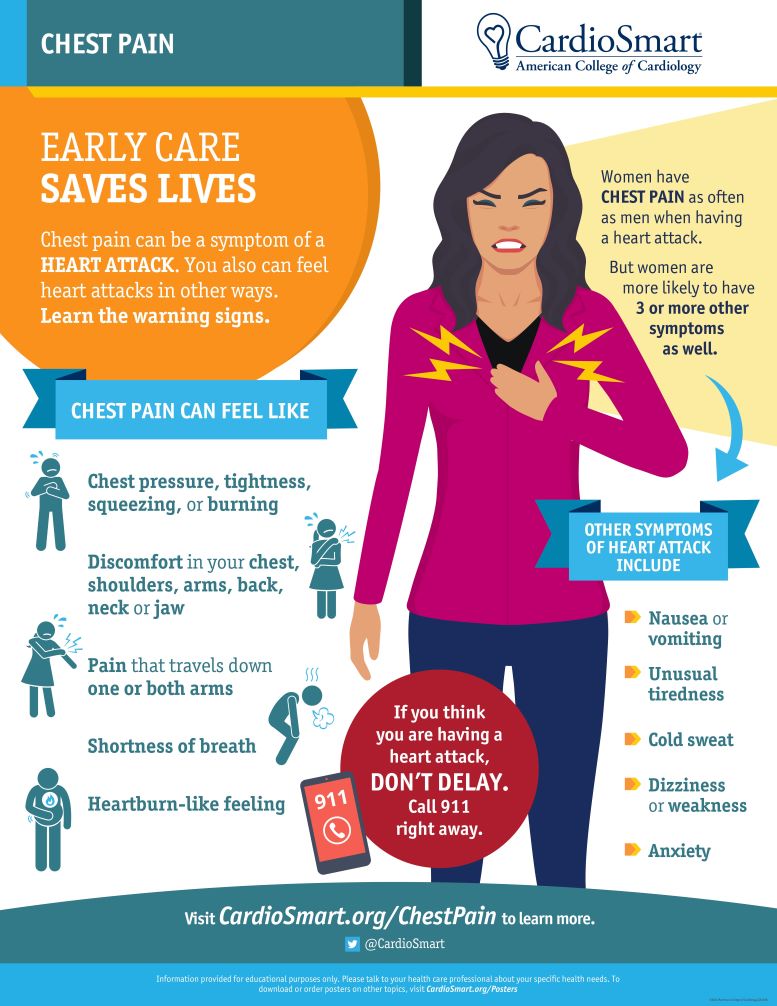
Heart Attack Infographic: Early Chest Pain Symptoms
DOCTORS PODCAST: MEDICAL & TELEHEALTH NEWS (OCT 31)
A weekly podcast on the latest medical, science and telehealth news.
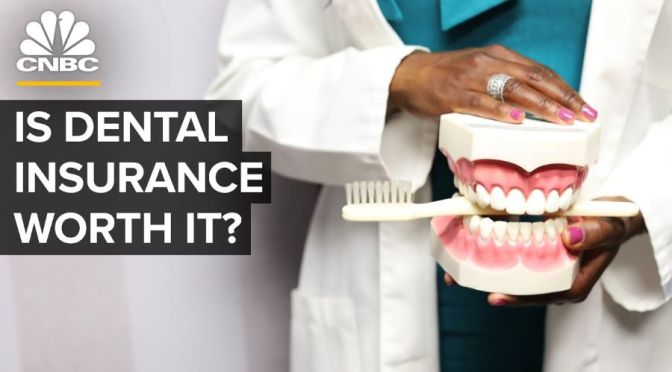
Health: Why Dental Care Costs So Much In The U.S.
Americans have a tendency to avoid the dentist. More than 40% of Americans said they don’t see a dentist as often as they would like, according to a 2018 survey by the American Dental Association. Their number one reason for skipping visits is cost, even among those with dental insurance. Dental insurance policies can be confusing and difficult to use, making some Americans wonder whether dental insurance is worth investing in at all. Watch the video to find out to learn what it actually costs to go to the dentist, whether dental insurance is worth investing in and what patients and policymakers can do about it.
Video timeline: 0:00 – Introduction 1:42 – How dental insurance works 4:15 – Dental care costs 6:17 – Is dental insurance worth it? 9:49 – Solutions
DOCTORS PODCAST: MEDICAL & TELEHEALTH NEWS (OCT 16)
A weekly podcast on the latest medical, science and telehealth news.
THE DOCTORS 101 CHRONIC SYMPTOMS & CONDITIONS #59: Lyme Disease
Lyme disease is high on every hard-to-diagnose disease list, because it is relatively uncommon, and can produce a variety of disturbing symptoms often classified as psychosomatic.
It is caused by a deer tick bacterial injection of the Borrelia genus, which can progress to cause widespread problems. Not every tick bite will inject the bacterium, and ticks that have been attached for less than 12 to 24 hours are unlikely to have done so.
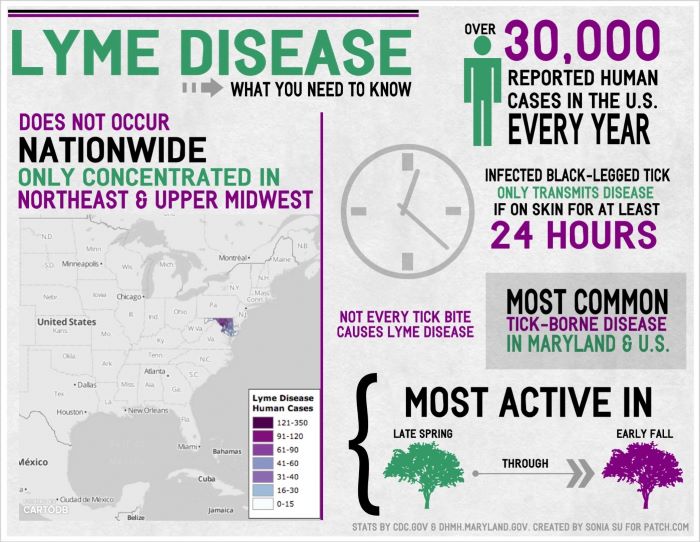
Risk factors include living in a wooded area, particularly on the east coast. With people fleeing the cities in the wake of Covid, exposure is more common.
The NYT columnist, Ross Douthat wrote a book about his travails: “patient heal thyself“. In this day and age of overworked doctors, and with the huge variety of medical information available online, more and more people are going on a “medical odyssey”.
A painless red swelling, followed by an expanding area of red(erythema migrants), is often the best medical clue. Flu-like symptoms and enlargement of the lymph glands can accompany the “rash”. Tests are not positive for several weeks, and may be negative if and when the late symptoms of Lyme disease develop.
The earlier you get treated with a 10-day course antibiotics, the better. The problem is that not all tick bites produce infection, and so overtreatment is a real possibility.
Late symptoms can include fatigue, mental symptoms arthritis, liver problems and a variety of other symptoms. Like another bacterial disease, syphilis, lyme disease can be the great mimic.
Prevention is paramount. People living in endemic areas should wear long sleeves and pants when they go out into the woods, use insect repellent , and make sure their animals are kept tick-free.
A DWWR article on Nootkatone may be worth your time to read, since DEET and many other insecticides are toxic and have to be used with care.
Please refer to the following article by the Mayo clinic for more organized information.
 Doctors Without Waiting Rooms