Tag Archives: Nature Reviews Disease Primers

Diagnosis: Hypertensive Eye Disease (Infographic)

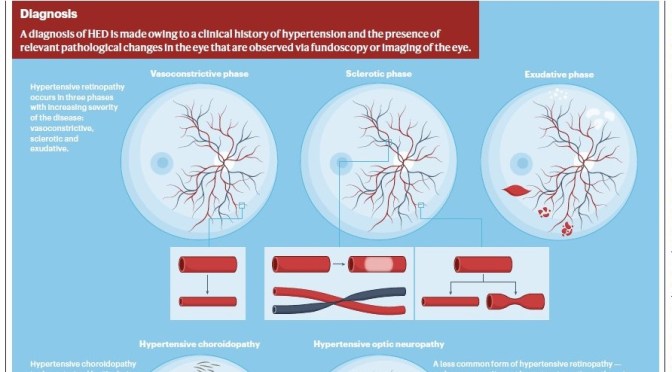
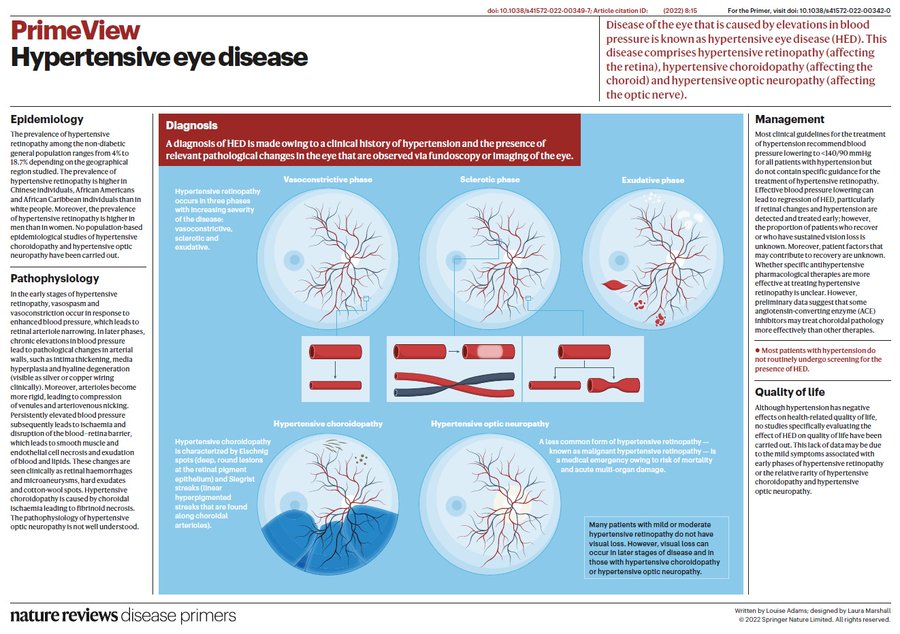
Hypertensive eye disease is diagnosed on the basis of a clinical history of #Hypertension and the presence of relevant pathological changes in the eye that are observed via fundoscopy or imaging. https://go.nature.com/3t0PahO

Commentary:

Control of hypertension is one of the triumphs of modern medicine, and there are many effective medications. One of the main problems that I hear about has  to do with taking too much of the medication, and having dizziness, especially on standing, which could cause a fall and injuries.

Abnormalities of the eye with hypertension are common. the doctor can look directly at the bare blood vessels as they course along the back of the eye. A hypertensive artery passing over a vein in the eye compresses it, producing a “nick” that doctors look for. other findings are shown in the info graphic.

These findings help doctors make a diagnosis, but only the rare complications of hypertensive optic atrophy and Choroidopathy actually endanger the vision.

The main organ that seems to suffer the most from hypertension is the heart, which has to work against a heavy load to pump the blood effectively at high pressure. This thickens the walls of the heart, especially the left side, making it less effective. Enlargement of the heart, heart attacks, and heart failure are not uncommon.

The brain is at risk with hypertensive arterial disease, and strokes can be a problem.

Kidney failure is also a real worry.

When you see your doctor for a blood pressure reading, make sure to take off coats and long sleeves. so that the bare arm can be tested. The left arm In right-handed people is preferable, because it has less musculature to shield the artery from compression by the blood pressure cuff.

Be sure you take your medication, if prescribed. The main emergency room visits occasioned by high blood pressure, such as 180/110, is when the patient skips the medication.

—Dr. C.
Infographics: Chronic Wounds In Older Adults

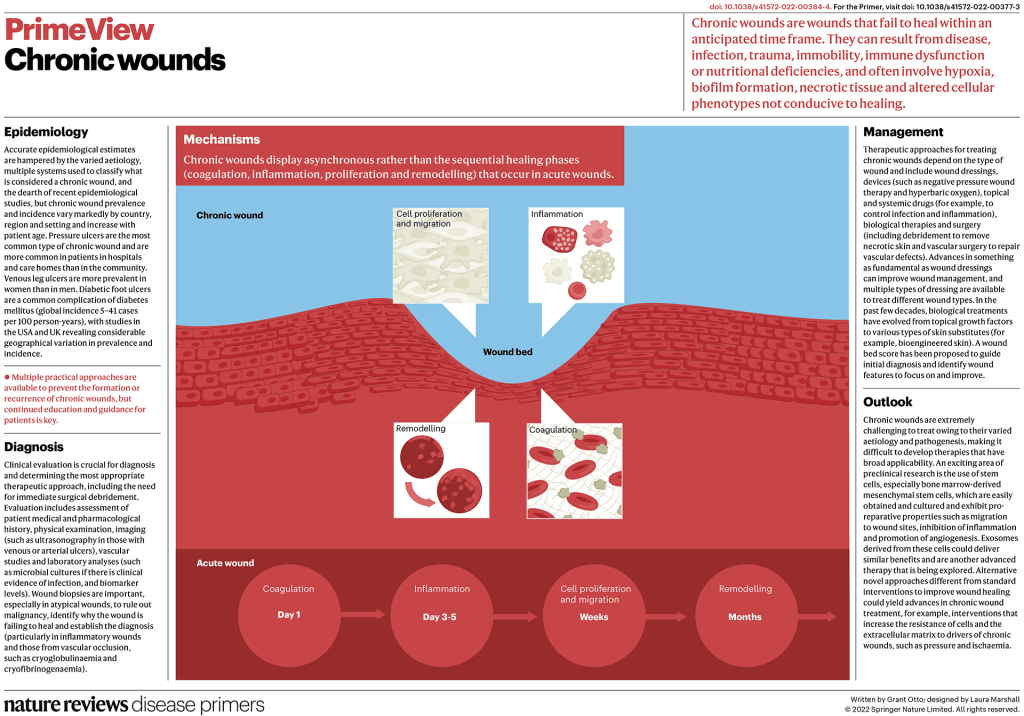
  • Chronic wounds are common, costly, and are more likely to affect older adults.
  • Venous ulcers, neuropathic ulcers, ischemic ulcers, and pressure injuries each necessitate unique prevention and treatment strategies.
  • With the evidence and pragmatic guidance provided herein, providers will have the working knowledge to successfully manage chronic wounds.

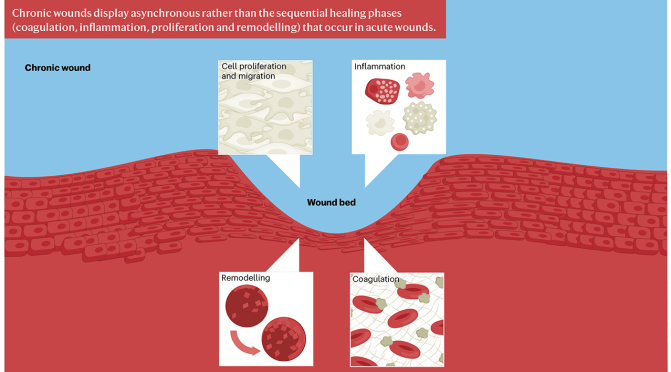
Appropriate prevention, diagnosis, and treatment of chronic wounds is important for providers across specialties. Wounds affect patients in all care settings and result in significant cost and morbidity. The burden of this condition falls largely on older adults, for whom the incidence of chronic wounds far exceeds that of younger populations.

 Medicare costs for wound care in 2014 were estimated at greater than $28 billion, and the prevalence for most wound types was greatest in patients aged 75 or older.

 Venous ulcers are the most common lower extremity wound type, comprising 45% to 60% of all wounds, followed by neuropathic ulcers (15% to 25%), ischemic ulcers (10% to 20%), and mixed ulcers (10% to 15%).

 Fortunately, new wound-treatment modalities continue to emerge. This review summarizes the latest information regarding prevention, identification, classification, and treatment of chronic wounds. Guidance on management of major wound types and pearls regarding dressing selection are provided.

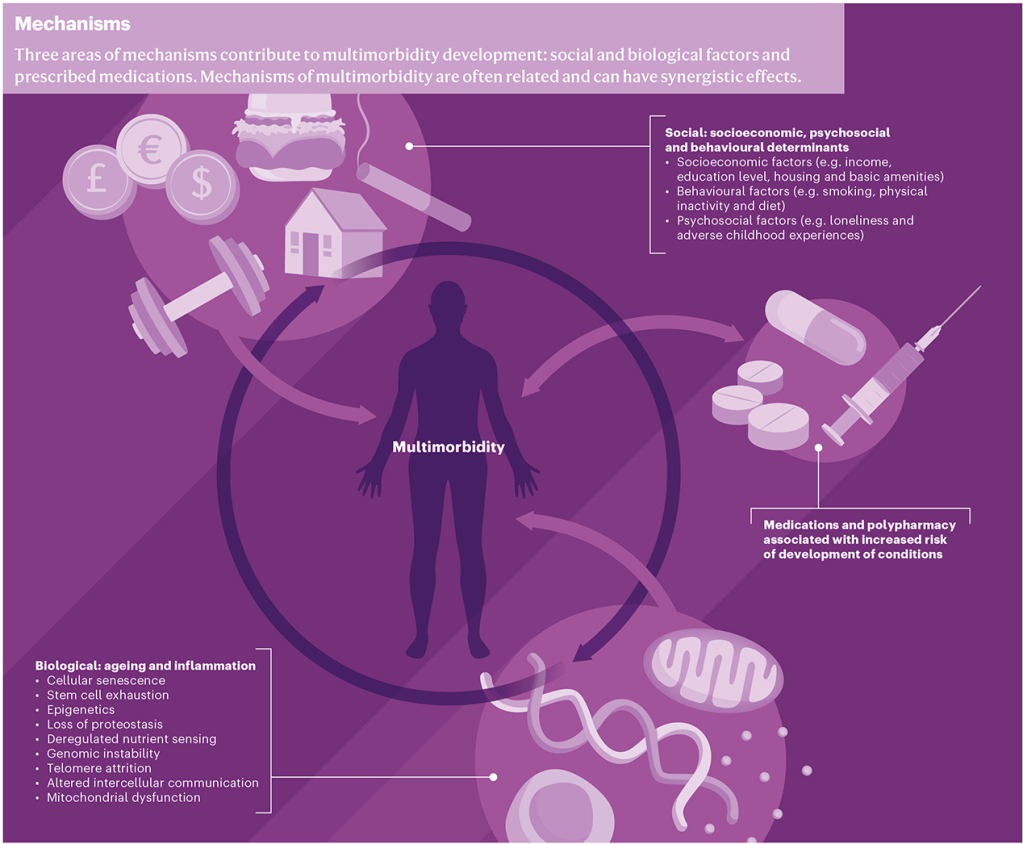
Multimorbidity: Affects 95% Of Adults Over Age 65

Multimorbidity (two or more coexisting conditions in an individual) is a growing global challenge with substantial effects on individuals, carers and society. Multimorbidity occurs a decade earlier in socioeconomically deprived communities and is associated with premature death, poorer function and quality of life and increased health-care utilization. Mechanisms underlying the development of multimorbidity are complex, interrelated and multilevel, but are related to ageing and underlying biological mechanisms and broader determinants of health such as socioeconomic deprivation. Little is known about prevention of multimorbidity, but focusing on psychosocial and behavioural factors, particularly population level interventions and structural changes, is likely to be beneficial. Most clinical practice guidelines and health-care training and delivery focus on single diseases, leading to care that is sometimes inadequate and potentially harmful. Multimorbidity requires person-centred care, prioritizing what matters most to the individual and the individual’s carers, ensuring care that is effectively coordinated and minimally disruptive, and aligns with the patient’s values. Interventions are likely to be complex and multifaceted. Although an increasing number of studies have examined multimorbidity interventions, there is still limited evidence to support any approach. Greater investment in multimorbidity research and training along with reconfiguration of health care supporting the management of multimorbidity is urgently needed.

Read more

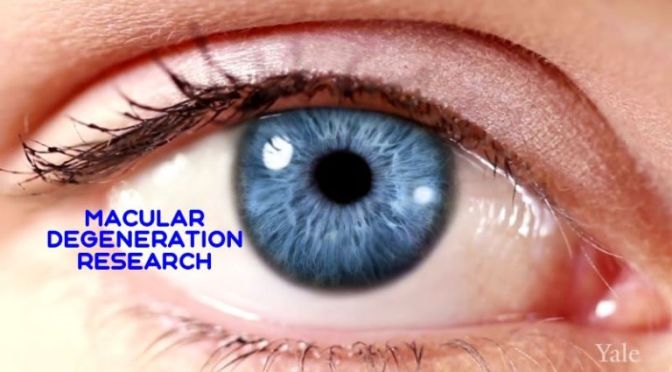
Infographic: Age-Related Macular Degeneration

An eye disease that causes vision loss.

Macular degeneration causes loss in the center of the field of vision. In dry macular degeneration, the center of the retina deteriorates. With wet macular degeneration, leaky blood vessels grow under the retina.

Blurred vision is a key symptom.

A special combination of vitamins and minerals (AREDS formula) may reduce disease progression. Surgery may also be an option.

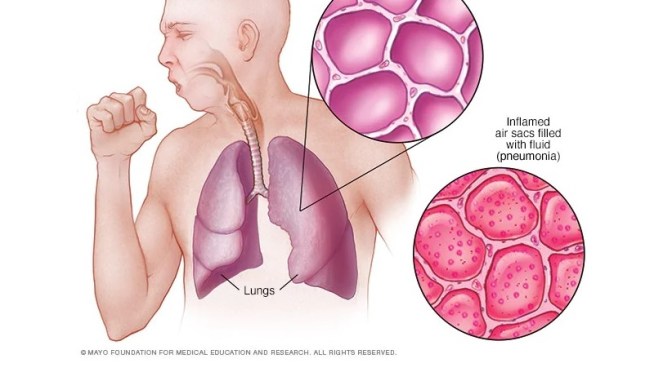
Infographic: Diagnosis & Treatment Of Pneumonia

Pneumonia is an infection that inflames the air sacs in one or both lungs. The air sacs may fill with fluid or pus (purulent material), causing cough with phlegm or pus, fever, chills, and difficulty breathing. A variety of organisms, including bacteria, viruses and fungi, can cause pneumonia.

Pneumonia can range in seriousness from mild to life-threatening. It is most serious for infants and young children, people older than age 65, and people with health problems or weakened immune systems.

Infographic: Classic & Exertional Heatstroke

Heatstroke is a condition caused by your body overheating, usually as a result of prolonged exposure to or physical exertion in high temperatures. This most serious form of heat injury, heatstroke, can occur if your body temperature rises to 104 F (40 C) or higher. The condition is most common in the summer months.

Heatstroke requires emergency treatment. Untreated heatstroke can quickly damage your brain, heart, kidneys and muscles. The damage worsens the longer treatment is delayed, increasing your risk of serious complications or death.

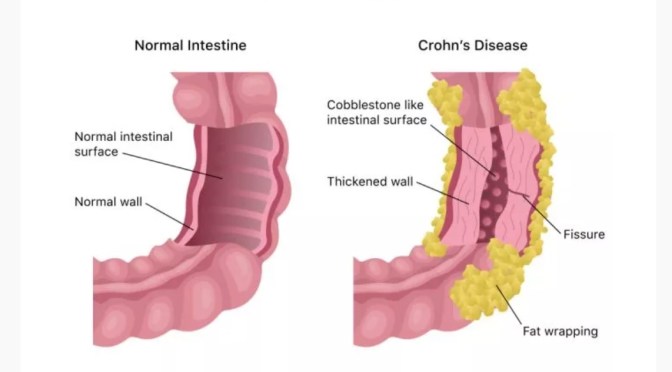
Chronic Inflammation: What Is Crohn’s Disease?

Crohn’s disease is an inflammatory bowel disease that is characterized by chronic inflammation of any part of the gastrointestinal tract, has a progressive and destructive course and is increasing in incidence worldwide. Several factors have been implicated in the cause of Crohn’s disease, including a dysregulated immune system, an altered microbiota, genetic susceptibility and environmental factors, but the cause of the disease remains unknown. The onset of the disease at a young age in most cases necessitates prompt but long-term treatment to prevent disease flares and disease progression with intestinal complications. Thus, earlier, more aggressive treatment with biologic therapies or novel small molecules could profoundly change the natural history of the disease and decrease complications and the need for hospitalization and surgery. Although less invasive biomarkers are in development, diagnosis still relies on endoscopy and histological assessment of biopsy specimens. Crohn’s disease is a complex disease, and treatment should be personalized to address the underlying pathogenetic mechanism. In the future, disease management might rely on severity scores that incorporate prognostic factors, bowel damage assessment and non-invasive close monitoring of disease activity to reduce the severity of complications.

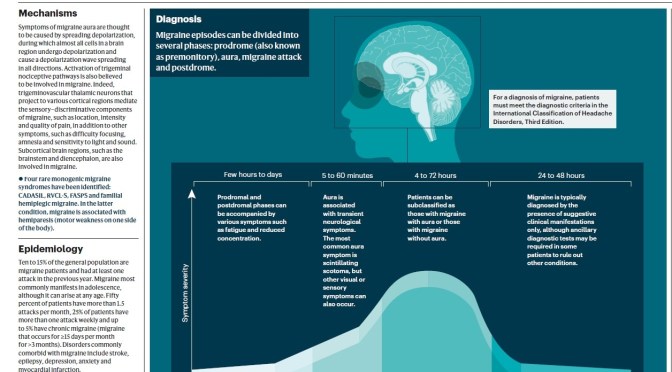
Infographic: Causes And Treatment For Migraine

#Migraine is a common, chronic disorder that is typically characterized by recurrent disabling attacks of headache and accompanying symptoms, including aura.

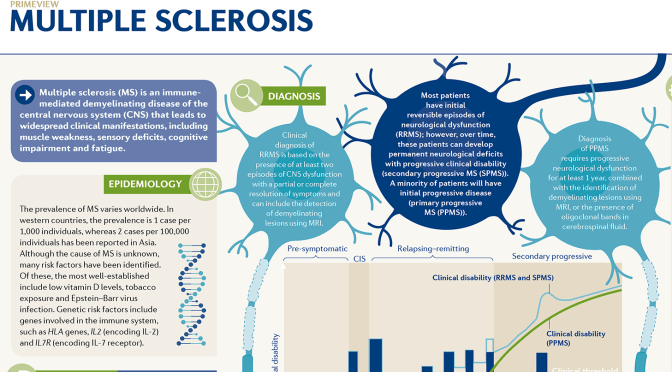
Disease Infographics: Multiple Sclerosis

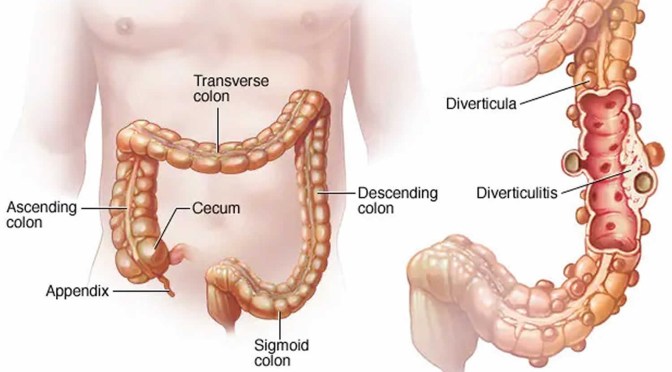
Infographic: Colonic Diverticular Disease