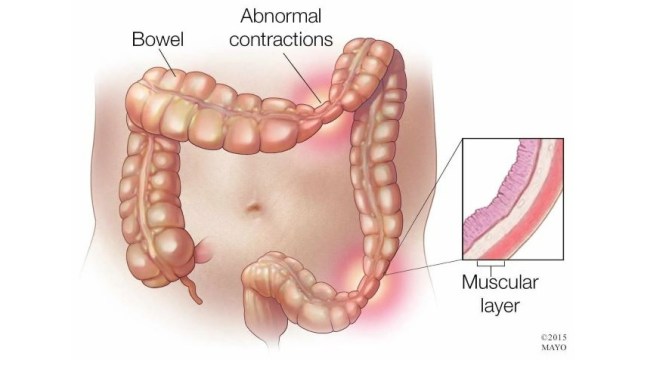
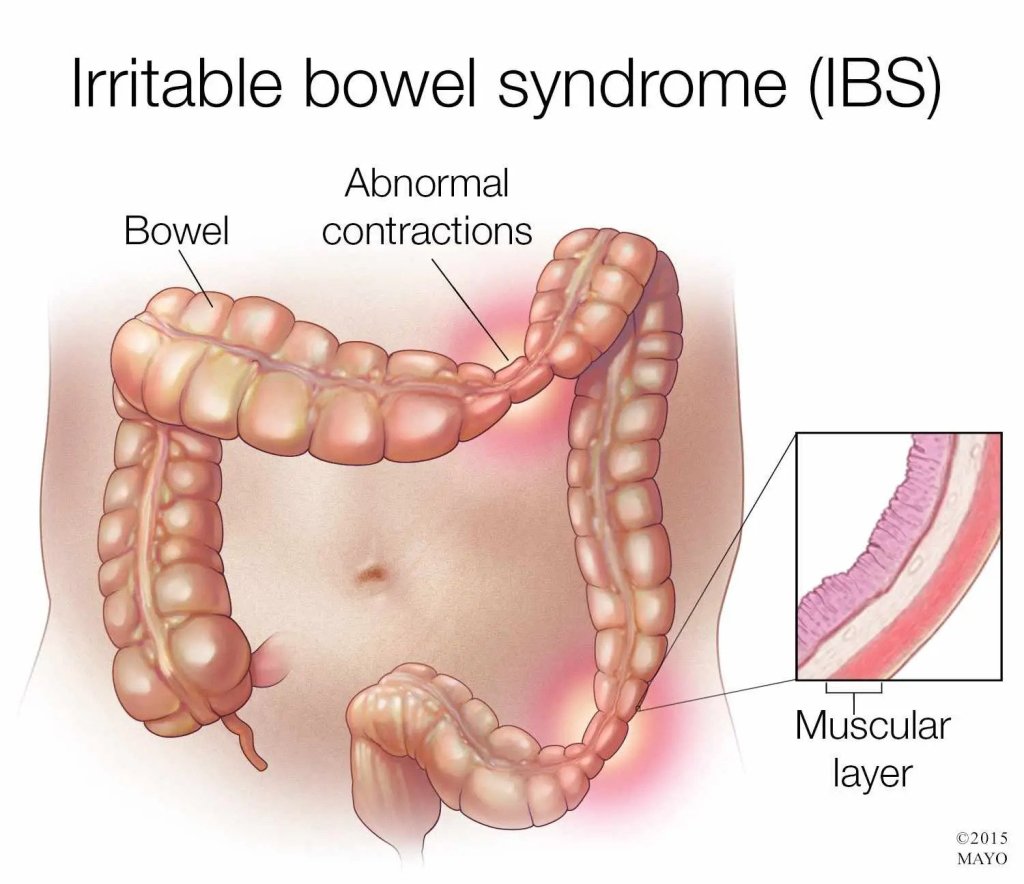
Mayo Clinic (April 27, 2023) – Dr. Brian Lacy says irritable bowel syndrome, or IBS, is a chronic condition that affects the intestinal tract. It can cause painful stomach cramps, diarrhea and constipation.
IBS is now categorized as a disorder of gut-brain interaction, which means that there’s a problem with how the gut and brain communicate with each other. He says stress plays a key role. There’s no cure for IBS, but symptoms can be managed. Try eating smaller, more frequent meals, and exercising regularly. Deep breathing and yoga are also helpful to reduce stress.
Cleveland Clinic (March 9, 2023) – Nephrologist Sevag Demirjian, MD takes you through the history of dialysis and explain discoveries and innovations along the way.
What is dialysis?
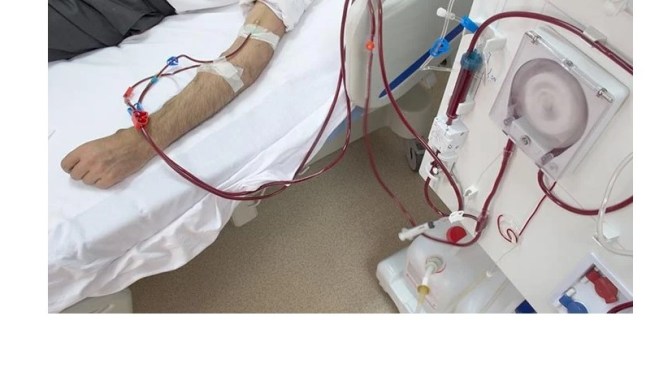
Dialysis is a treatment for people whose kidneys are failing. When you have kidney failure, your kidneys don’t filter blood the way they should. As a result, wastes and toxins build up in your bloodstream. Dialysis does the work of your kidneys, removing waste products and excess fluid from the blood.
Who needs dialysis?
People who have kidney failure, or end-stage renal disease (ESRD), may need dialysis. Injuries and conditions like high blood pressure, diabetes and lupus can damage kidneys, leading to kidney disease.
Some people develop kidney problems for no known reason. Kidney failure can be a long-term condition, or it can come on suddenly (acute) after a severe illness or injury. This type of kidney failure may go away as you recover.
There are five stages of kidney disease. In stage 5 kidney disease, healthcare providers consider you to be in end-stage renal disease (ESRD) or kidney failure. At this point, kidneys are carrying out around 10% to 15% of their normal function. You may need dialysis or a kidney transplant to stay alive. Some people undergo dialysis while waiting for a transplant.
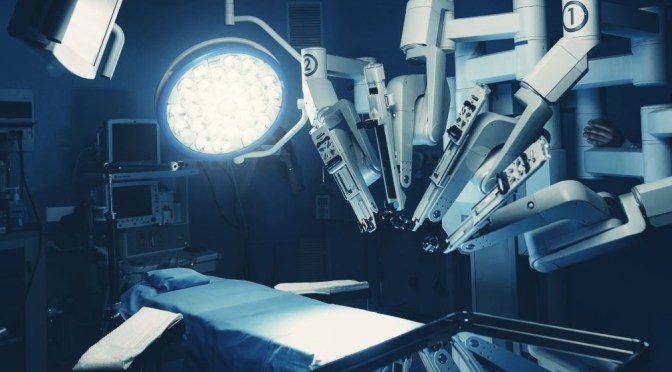
Freethink – Robotics are helping make minimally invasive surgeries even less invasive. Case in point: single-port robotic surgery, a relatively new type of approach where a robotic system controlled by a human surgeon executes the procedure by making only one incision into the patient.
Although still relatively uncommon, single-port surgery has been gaining momentum in recent years. The benefits are noticeable. Compared to traditional surgery, single-port surgery might leave patients with shorter recovery times, less scarring, and overall better outcomes.
The technique is also transforming how surgeons think about and execute surgery itself. “It’s allowing us to do surgeries differently than we do with [multi-port surgery],” said Michael Stifelman, M.D., director of robotic surgery at Hackensack University Medical Center. “What every patient wants is to get back to their life. Single-port robotics is allowing us to get them to that point more quickly.”
Learn more about the future of single-port surgery in this episode of “Operation: Reimagine Surgery,” a Freethink original series produced in partnership with Intuitive, which created the world’s first commercially available robotic surgery system in the 1990s.
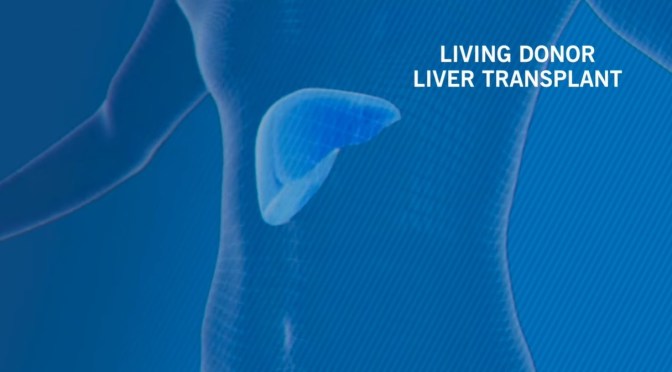
Cleveland Clinic – In living donor liver transplantation a portion of a donor’s healthy liver is transplanted into a recipient in need. Living donor liver transplantation is possible because the liver, unlike any other organ in the body, has the ability to regenerate (regrow). Most regeneration of both the donor’s and recipient’s livers occurs within the first 8 weeks.
All potential donors will undergo a complete medical and psychosocial evaluation. Not everyone is suitable or eligible to become a living liver donor based on a number of factors such as pre-existing medical conditions, psychosocial concerns, or liver size. Donating an organ is a personal decision that should only be made after becoming fully informed about its potential risks and benefits.






 Cleveland Clinic – In living donor liver transplantation a portion of a donor’s healthy liver is transplanted into a recipient in need. Living donor liver transplantation is possible because the liver, unlike any other organ in the body, has the ability to regenerate (regrow). Most regeneration of both the donor’s and recipient’s livers occurs within the first 8 weeks.
 Doctors Without Waiting Rooms