Tag Archives: Inflammation

Infographics: Chronic Wounds In Older Adults

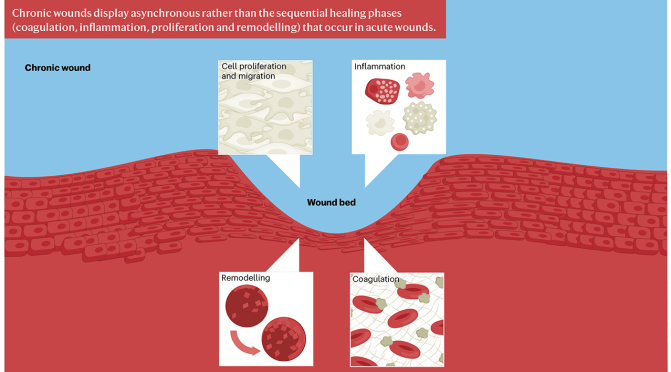
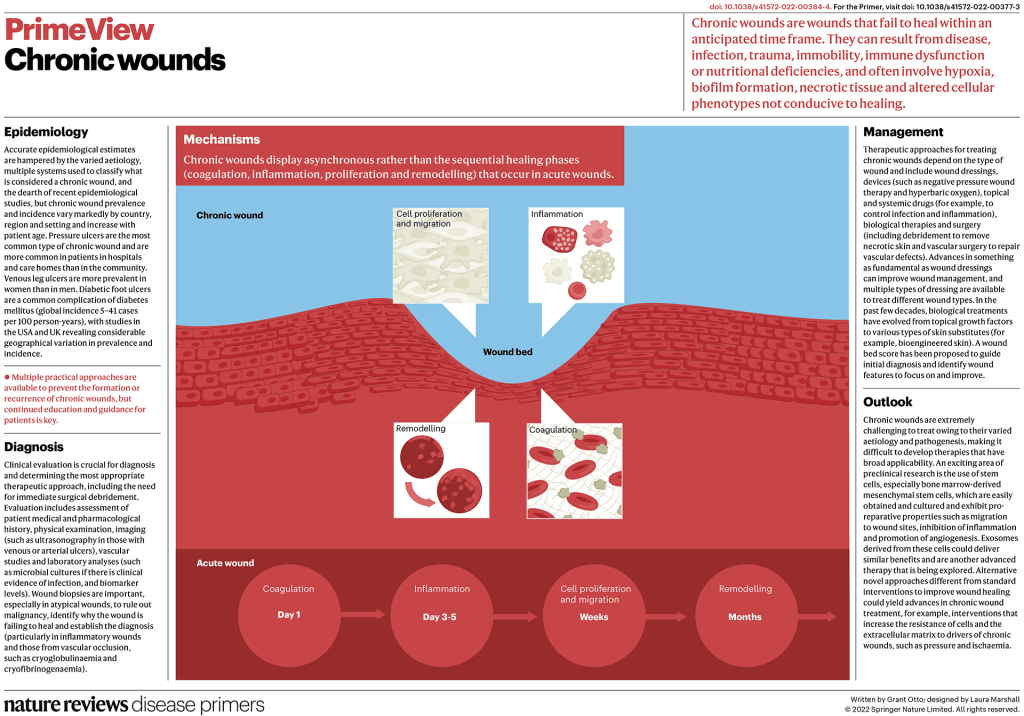
  • Chronic wounds are common, costly, and are more likely to affect older adults.
  • Venous ulcers, neuropathic ulcers, ischemic ulcers, and pressure injuries each necessitate unique prevention and treatment strategies.
  • With the evidence and pragmatic guidance provided herein, providers will have the working knowledge to successfully manage chronic wounds.

Appropriate prevention, diagnosis, and treatment of chronic wounds is important for providers across specialties. Wounds affect patients in all care settings and result in significant cost and morbidity. The burden of this condition falls largely on older adults, for whom the incidence of chronic wounds far exceeds that of younger populations.

 Medicare costs for wound care in 2014 were estimated at greater than $28 billion, and the prevalence for most wound types was greatest in patients aged 75 or older.

 Venous ulcers are the most common lower extremity wound type, comprising 45% to 60% of all wounds, followed by neuropathic ulcers (15% to 25%), ischemic ulcers (10% to 20%), and mixed ulcers (10% to 15%).

 Fortunately, new wound-treatment modalities continue to emerge. This review summarizes the latest information regarding prevention, identification, classification, and treatment of chronic wounds. Guidance on management of major wound types and pearls regarding dressing selection are provided.
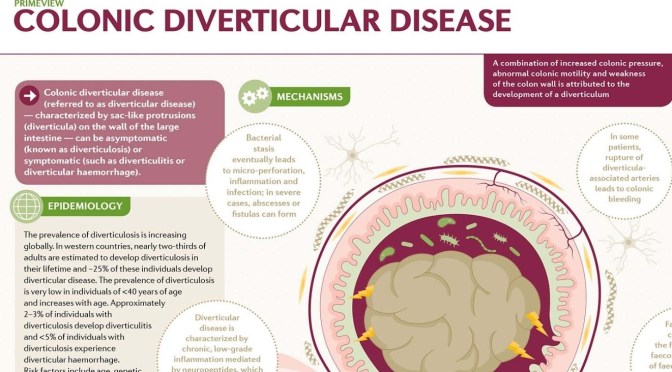
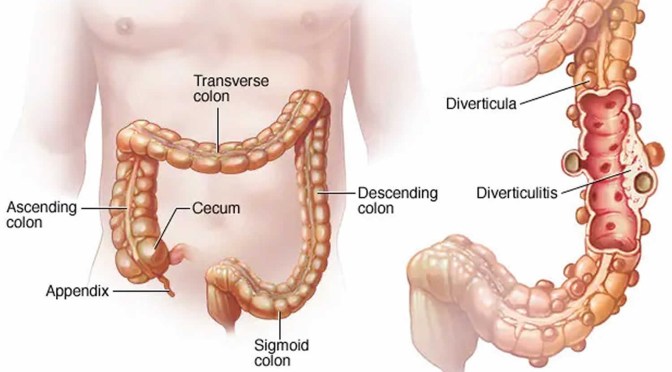
Infographic: Colonic Diverticular Disease

Colonic Diverticular Diseaes is a condition in which small, bulging pouches develop in the digestive tract. It’s common in people over age 40.

Usually, no symptoms occur, unless the diverticula become inflamed or infected (diverticulitis) which can result in fever and abdominal pain.

Treatment generally isn’t needed unless there is inflammation (diverticulitis).

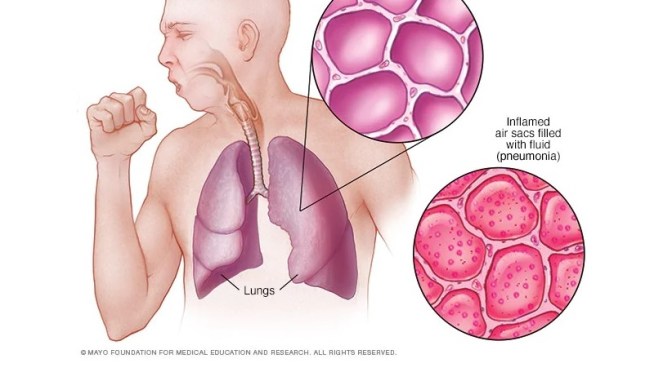
Infographic: Diagnosis & Treatment Of Pneumonia

Pneumonia is an infection that inflames the air sacs in one or both lungs. The air sacs may fill with fluid or pus (purulent material), causing cough with phlegm or pus, fever, chills, and difficulty breathing. A variety of organisms, including bacteria, viruses and fungi, can cause pneumonia.

Pneumonia can range in seriousness from mild to life-threatening. It is most serious for infants and young children, people older than age 65, and people with health problems or weakened immune systems.

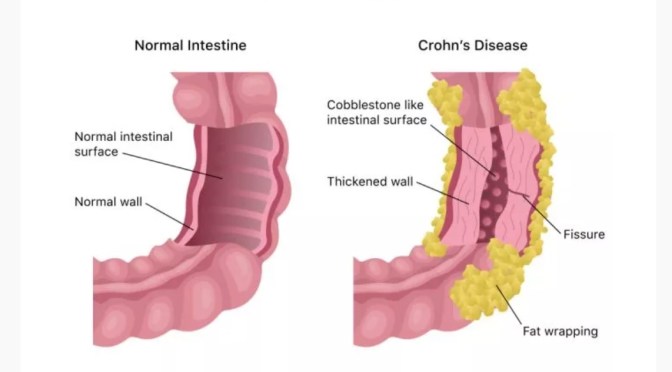
Chronic Inflammation: What Is Crohn’s Disease?

Crohn’s disease is an inflammatory bowel disease that is characterized by chronic inflammation of any part of the gastrointestinal tract, has a progressive and destructive course and is increasing in incidence worldwide. Several factors have been implicated in the cause of Crohn’s disease, including a dysregulated immune system, an altered microbiota, genetic susceptibility and environmental factors, but the cause of the disease remains unknown. The onset of the disease at a young age in most cases necessitates prompt but long-term treatment to prevent disease flares and disease progression with intestinal complications. Thus, earlier, more aggressive treatment with biologic therapies or novel small molecules could profoundly change the natural history of the disease and decrease complications and the need for hospitalization and surgery. Although less invasive biomarkers are in development, diagnosis still relies on endoscopy and histological assessment of biopsy specimens. Crohn’s disease is a complex disease, and treatment should be personalized to address the underlying pathogenetic mechanism. In the future, disease management might rely on severity scores that incorporate prognostic factors, bowel damage assessment and non-invasive close monitoring of disease activity to reduce the severity of complications.

Disease Infographics: Multiple Sclerosis

Infographic: Colonic Diverticular Disease

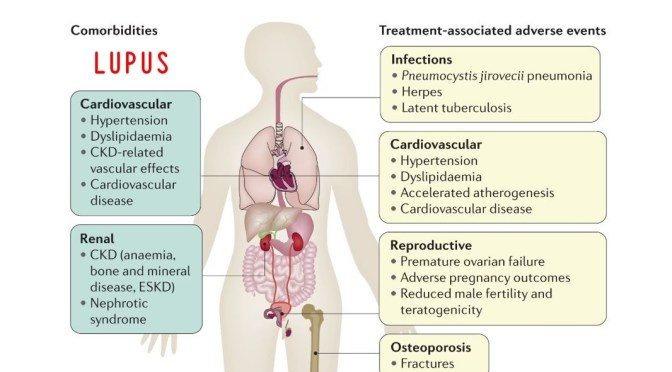
Infographic: Causes And Treatments Of Lupus

Lupus is a disease that occurs when your body’s immune system attacks your own tissues and organs (autoimmune disease). Inflammation caused by lupus can affect many different body systems — including your joints, skin, kidneys, blood cells, brain, heart and lungs.

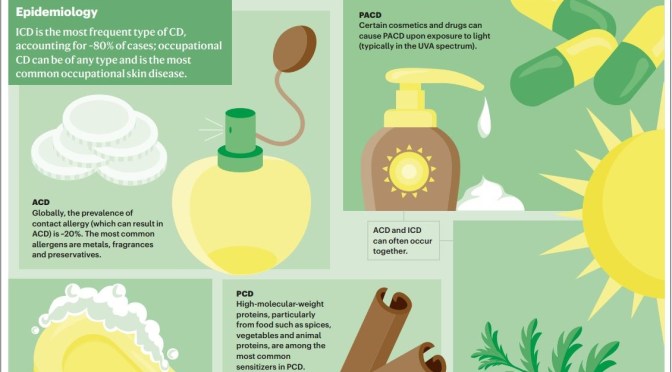
Infographic: What Is Contact Dermatitis?

Contact dermatitis happens when the skin becomes irritated or inflamed after coming in contact with a substance that triggers an allergic reaction. It bears some of the same symptoms as the six other types of eczema. But unlike atopic dermatitis — the most common and difficult-to-treat form of eczema — it doesn’t run in families and isn’t linked to other allergic conditions such as hay fever or asthma.

Dr. C’s Journal: Care Of Hand Osteoarthritis

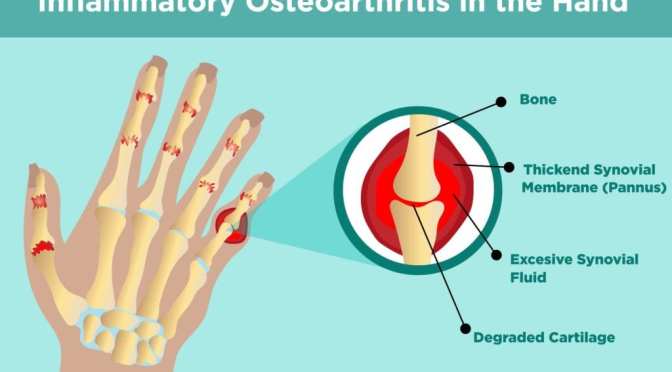
I started having hand pain about 20 years ago, and booked a visit with the rheumatologist in my medical building. He looked at my hands and immediately knew that I had osteoarthritis.

The thumb musculature (the thenar eminence) was angled with respect to the plane of the rest of my hand and wasn’t flat like normal. Some of my joints were slightly swollen and even warm to the touch, and many of my fingers were beginning to get crooked.

He ordered a rheumatoid panel, uric acid and inflammatory markers. The normal results confirmed his diagnosis of osteoarthritis.

The middle and index fingers have taken a lot of trauma over the years. They are also the crookedest, for the same reason. With the thinning of my skin or you can see the outline of my tendons  on the palm of my hand, and some are a little bit bumpy and irregular. I am unable to make a tight fist anymore, although my fingers will flex to some degree.

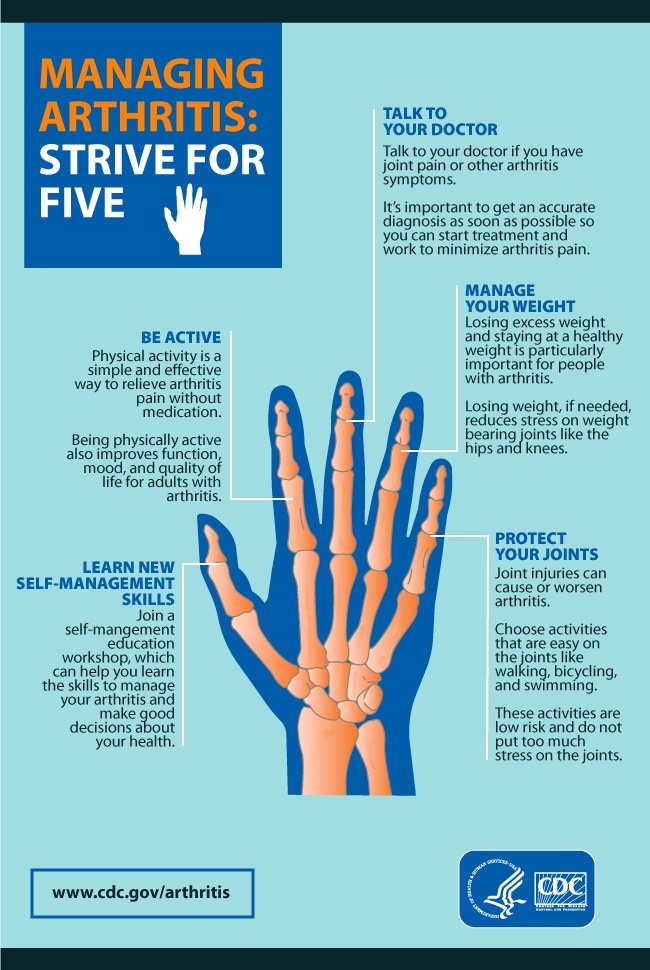
I practice exercises on my wrist, hands and fingers, such as rotating my wrist and thumb in a circular fashion, touching my thumb to the tips of my fingers in sequence, squeezing a rubber ball, and flattening out my hand against the back of my head. Recently, I have noticed a little resistance when I try to straighten out my ring fingers after flexing them, and worried about developing trigger finger. On further reading I found that trigger finger is not more common in people who have osteoarthritis.

I do a lot of swimming, and am worried that the irritative force of the water regularly acting up on my hand might be making the hand pain worse. But my hands seem to be a little bit better with the hand exercises. There seems to be less pain, although maybe I have the same amount of pain but tolerate it better since I’m doing something about it. One never knows about a preventative program, since you’re an experiment of one. You have to have faith that what you are doing is beneficial, and in harmony with medical studies. Perhaps my anti-inflammatory diet and turmeric, as well as my good sleep and aerobic exercise is also helping.

—Dr. C.

Inflammation: How To Treat Ulcerative Colitis

Since ulcerative colitis (UC), a condition that causes inflammation in the colon and rectum, is never medically cured, certain lifestyle behaviors can help you manage symptoms and better cope with your condition. In addition to managing stress, paying attention to what you eat can have a big impact on your quality of life.

There is no single diet that works best for managing UC. In fact, no studies have shown that any specific diet improves symptoms or that any specific foods cause UC flare-ups. The best approach is to avoid or reduce the foods that aggravate your symptoms.

You should eat a well-balanced, healthy diet rich in fresh fruits and vegetables, such as a Mediterranean style diet. Avoid preservatives and emulsifiers, such as carrageenan, carboxymethylcellulose, and polysorbate-80.