“Many health conditions have a genetic link,” says Breanna Mitchell, a genetic counselor at Mayo Clinic Health System in Eau Claire. “Genetic testing can help you and your health care team understand if you have an increased risk for developing certain conditions that are present in your family. If you are at risk, you may be able to take preventive measures to decrease your risk or undergo genetic testing to clarify your risk.”
 Mayo Clinic (February 6, 2023) – Your genes play a role in nearly all areas of your health. A gene is like an instruction manual for your body that tells your body how to function, develop and stay healthy. People have about 20,000 genes in their bodies.
Here are nine common questions about genetic testing:
Do all types of cancers have a genetic component?
Most cancers are considered sporadic, meaning the cancer happens randomly or has environmental influences, such as smoking and lung cancer. About 25% of cancers are considered familial. This is when multiple members of a family are affected by cancer. These family members have some shared genetic factors in combination with shared environmental factors that lead to the development of these cancers.
“About 10% of cancers are considered hereditary or have a single specific genetic component that can be tested and increase a person’s risk for developing cancer,” Mitchell says. “Genetic counseling and genetic testing can help determine which category a person’s individual or family cancer falls into. It also can help estimate your risk for developing cancer.”
What types of genes are examined during genetic testing?
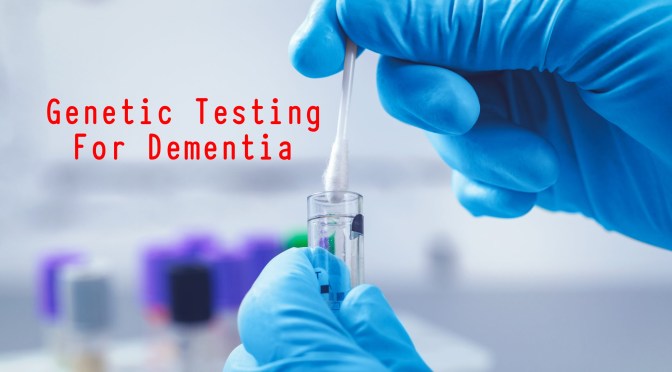
You may have an increased risk for some health conditions, including some types of cancer, based on your genes. A genetic test looks for specific harmful gene changes, called mutations or pathogenic variants, that can cause you to develop a genetic condition. Gene changes are like spelling errors within your body’s instruction manual.
Most genetic tests look for changes in a group of genes called a panel. However, testing may look for changes in a single gene when there is a known genetic mutation in your family. The most common genes typically thought of related to cancer risk are BRCA1 and BRAC2. These genes are associated with breast and ovarian cancer. It’s known that changes in other genes can increase risk for these cancers, as well.
There also are gene panels that assess risk for other cancers, such as colorectal, pancreatic, prostate, liver, uterine and endometrial cancers.
READ MORE

 Doctors Without Waiting Rooms