Tag Archives: Dr. C's Medicine Cabinet

DR. C’S MEDICINE CABINET: LITHIUM OROTATE

Lithium’s big claim to medical fame is it’s beneficial effect on manic depressive disorders in approximately 1/3 of the cases. It seems to benefit the manic phase more than the depressive phase, and its effect  on isolated depression is uncertain.
A recent report states that lithium works by increasing CRMP 2, which has an effect on tubulin in nerve cells. This report has not yet been confirmed.

When lithium is effective, it must be given in a dose that is almost toxic. People taking this drug should have lithium levels on a regular basis, and be alert to its numerous side effects, diarrhea, lethargy, and the like. It may also have an adverse effect on thyroid function.

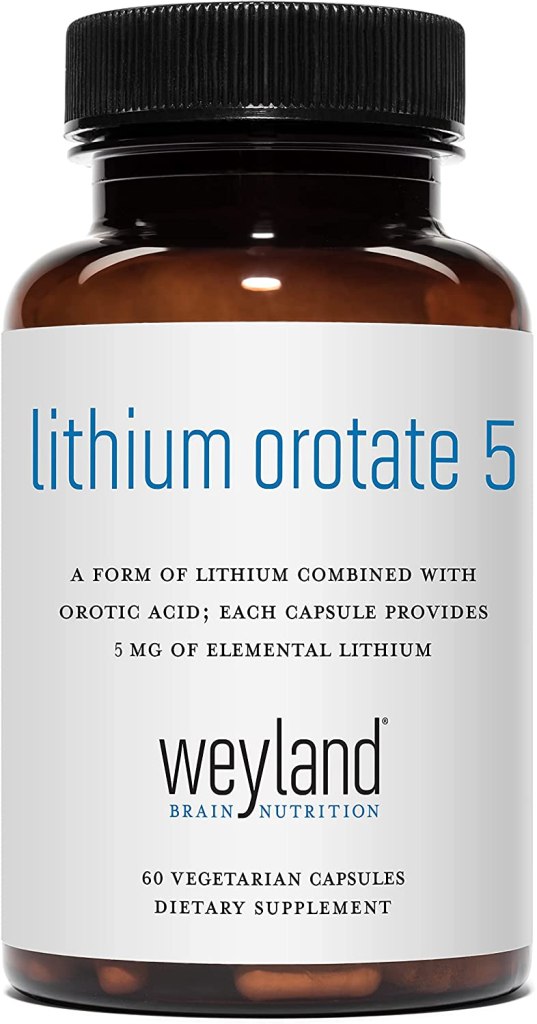
I started taking low doses of lithium orotate a while back because of the touted effects on memory, mitochondrial function, and the like. I thought that our hunter gatherer ancestors probably had some exposure to lithium from the Hot Springs present in many areas, and that maybe lithium was a physiologic necessity.  Sodium and potassium are highly regulated ions in the cell membrane of all cells, I thought, so why should not lithium, a kindred element, have some effect there.

Lithium carbonate is the form that is used for treatment of manic depressive disease, and lithium orotate has not been well studied.
When one starts taking a dietary supplement, it is hard to tell whether or not it has any effect. Our bodies are complicated, and even if something does have an effect, the bodies corrective mechanisms can nullify that effect, or even cause  a reverse effect,

After further thought, I plan to start phasing out my lithium orotate. Maybe once a week would be a reasonable dosage, if at all. With irregular dosages, if I notice that I feel better on a day when I take lithium orotate, I might change my mind.
—Dr. C.

DR. C’S MEDICINE CABINET: BENEFITS & RISKS OF ‘STATINS’

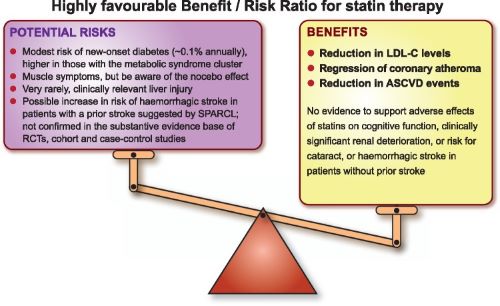
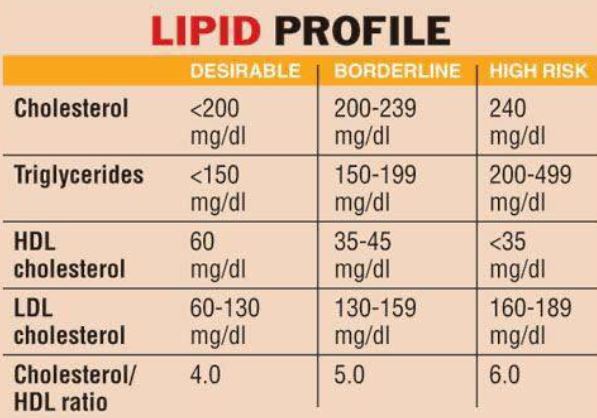
The STATIN medications are one of medicine’s greatest achievements, in my opinion. They REDUCE blood CHOLESTEROL and HEART ATTACKS in very low doses and have a good safety profile. They truly deserve to be the Best Selling class of drugs. 13 Nobel prizes have been awarded during the centuries of cholesterol research.

I have never had a heart attack, but do have some calcification in my Coronaries. Moreover, I have an untreated serum cholesterol level of 220 mg/dL. This is above the recommended level of 200 mg/dL, so I read up on the statins. The only concerning side effect from my viewpoint was MUSCLE PAIN.

I already have some muscle soreness from my exercise program, and did not want more, so I started at ½ of the 5 mg. dose of the statin suggested by my family doctor. This tiny dose of Rosuvastatin produced a dramatic 40 mg. Drop in my Cholesterol, and I am still hovering around the recommended level of 200 mg./dL. Instead of breaking the 5 mg. tablet in half, I now take 5 mg. every other day, since Rosuvastatin has a long half life.

One of my friends took a higher dose, and drove his cholesterol down to 100 Mg./dL. Apparently there is no serum level of cholesterol where further reduction fails to help.

Total cholesterol is divided into HDL and LDL components. My HDL, the “good” cholesterol, is thought to offset some of the cholesterol-plaque-causing effects of the LDL, or “bad” cholesterol. This makes me less than eager to raise my cholesterol and risk muscle pain.

My HIGH HDL is probably due to a combination of EXERCISE, FISH OIL and Genetics. Many of my friends “don’t tolerate” the statins, meaning that they developed muscle pain. Since they were taking the drug on faith, and not because of already-developed heart problems, they just don’t take the medication any more.

If your doctor has recommended one of the Statin drugs because of an elevated cholesterol, you might ask her to start at a lower dose. You can always work up to a higher dose if necessary. If you develop muscle pain at the higher dose, you can drop back to the dose you tolerated. Enjoy “Personalized” Medicine.

–Dr. C.

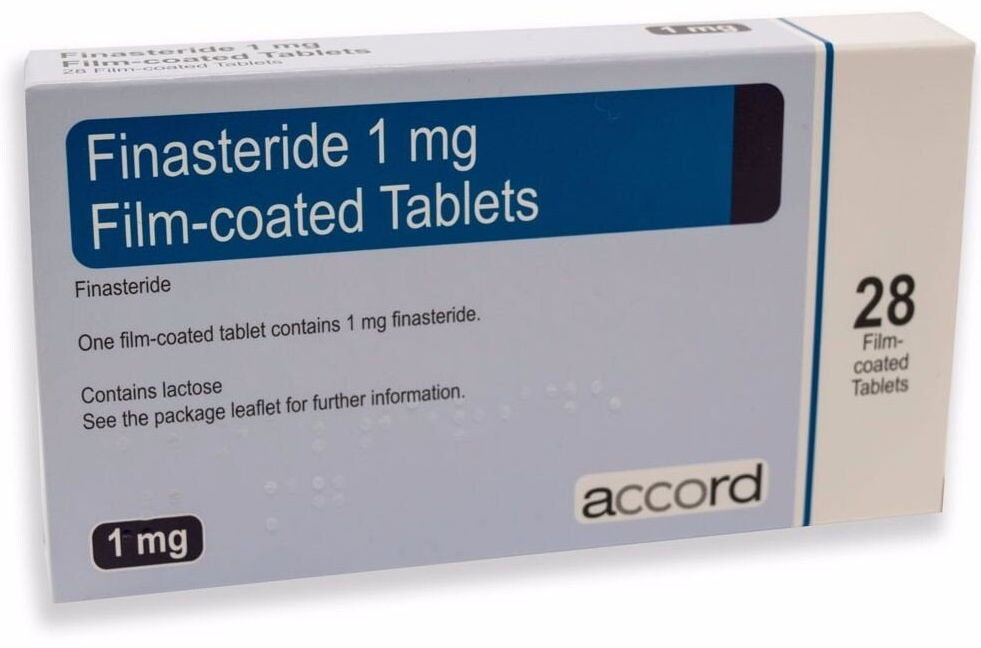
DR. C’S MEDICINE CABINET: BENEFITS OF “FINASTERIDE”

Finasteride is a medication that I was given by my urologist, after my operation for an enlarged prostate with restricted urine flow. It was used to prevent the re-growth of the prostate, and subsequent recurrence of urinary obstruction.

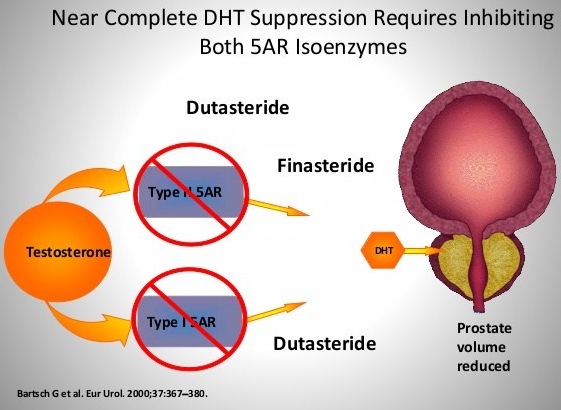
It is also recommended to treat male-pattern baldness. That it is used to treat male problems suggests that it has something to do with testosterone, and indeed it does. Finasteride (proscar) is a 5-alpha reductase inhibitor, preventing testosterone from being converted to dihydrotesterone, the active form, in the prostate and the skin.

Finasteride is well studied, and has been found to decrease PSA in the blood, and is suspected of interfering with the use of PSA as a screening device for Prostatic Cancer. It has also been suspected of increasing severe, high grade cancer. These findings have been refuted in later papers.

It has also been found to decrease sexual function, which it has in my case. I have continued it for several reasons.

First, my urine flow remains fine. Second, the bulk of the data indicates that it hinders prostatic cancer formation; and in a previous posting, I stated that Prostatic cancer in 88 year-olds is almost universal. Third, we are continuing in a Covid 19 pandemic.

One of the markers for severe infection is male-pattern baldness, which finasteride prevents. I did find in my reading about finasteride that there is a 1 mg. dose, and I am taking 5 mg..

When the Covid epidemic slows, I will probably opt for the 1 mg. Dose, which produces a significant effect, though of course less than the 5 mg. Less medication is usually better.

For Patients with BPH opting for medical treatment, Finasteride is usually recommended along with an alpha adrenergic agonist to relax the bladder sphincter.

For the men out there, facing an ever-increasing likelihood of BPH, or wanting to slow down baldness, you may eventually be making the decision whether or not to take this effective medication.

–Dr. C.