

A weekly podcast on the latest medical, science and telehealth news.
Tag Archives: December 2022
DOCTORS PODCAST: MEDICAL & TELEHEALTH NEWS (DEC 18)
A weekly podcast on the latest medical, science and telehealth news.
Heart Disease: Thoracic Aortic Aneurysm Risks
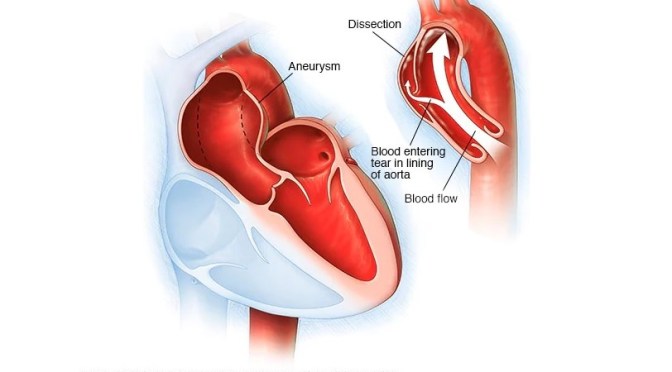
A thoracic aortic aneurysm is a weak spot in the aorta, the main pipeline for blood from the heart to the body. The weak spot has the potential to dissect or rupture, cutting off the supply of life-sustaining blood to the rest of the body. Thoracic aortic aneurysms are often harder to detect and diagnose compared to the more common abdominal aortic aneurysms.

The aorta begins deep in the heart. It emerges from the top of the powerful left ventricle, curves up and over the heart in a gentle arch, then descends into the chest and through the muscular diaphragm into the abdomen (see “Thoracic aorta”). It ends around the belly button, where it splits into two smaller arteries, one for each leg.
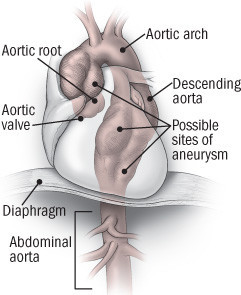
From start to end, arteries branch off to nourish the heart, brain, arms, kidneys, liver, stomach, intestines, and every other part of the body. The stretch of the aorta from its start in the heart to the top of the diaphragm is called the thoracic aorta; the section below the diaphragm is the abdominal aorta.
Some aneurysms are relatively harmless. Others can lead to the catastrophic problems known as dissection or rupture. For now, size is the best and only guide to the health threat posed by an aneurysm.
Dissection. The most common consequence of an aortic aneurysm, dissection occurs when a tear develops in the inner lining of the aortic wall. The inner and outer layers peel apart, creating an extra channel for blood inside the aorta. It may do no harm, or it may allow blood to bypass the outflow to certain organs or tissues, leaving them without a blood supply. This can cause a heart attack, stroke, kidney damage, and other problems.
Rupture. A break in all three layers of the aortic wall is termed a rupture. Blood pours from the aorta into the chest. This massive internal bleeding can quickly lead to shock and death.
Heart Health: Function & Benefits Of Pacemakers
“The likelihood of needing a pacemaker increases with age,” says Dr. Sunil Kapur, a cardiologist at the Heart and Vascular Center at Harvard-affiliated Brigham and Women’s Hospital. “The good news is that today’s pacemakers have evolved from fixing irregular heartbeats to helping the heart maintain its normal function, which allows many men with certain heart conditions to stay active longer.”
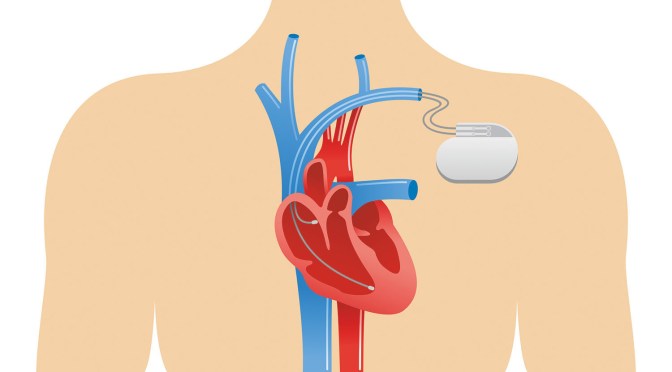
A pacemaker monitors the heart’s rhythm and, when necessary, generates a painless electrical impulse that triggers a heartbeat.
The most common use for a pacemaker is when the heart beats too slowly or pauses, which triggers dizziness, shortness of breath, or fainting. (You should see your doctor immediately if you have any of these symptoms.) A pacemaker also can help your heart chambers beat in sync and improve blood flow if your heart isn’t pumping enough blood. In some cases, a pacemaker may be needed to treat a heartbeat that is too fast or irregular.
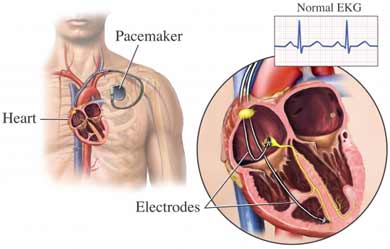
These issues can stem from problems with the heart’s electrical signaling, a heart defect, an enlarged or thick heart muscle, heart failure, or a heart attack.
Several tests can help your doctor determine if you need a pacemaker: an electrocardiogram, which measures the heart’s electrical activity; Holter monitoring, in which you wear a small device to track your heart’s rhythm; or an echocardiogram, which uses sound waves to produce images showing your heart’s size, structure, and motion.

Women’s Health: How To Ease & Manage Menopause

The menopausal transition most often begins between ages 45 and 55. It usually lasts about seven years but can be as long as 14 years. The duration can depend on lifestyle factors such as smoking, age it begins, and race and ethnicity. During perimenopause, the body’s production of estrogen and progesterone, two hormones made by the ovaries, varies greatly.
The menopausal transition affects each woman uniquely and in various ways. The body begins to use energy differently, fat cells change, and women may gain weight more easily. You may experience changes in your bone or heart health, your body shape and composition, or your physical function
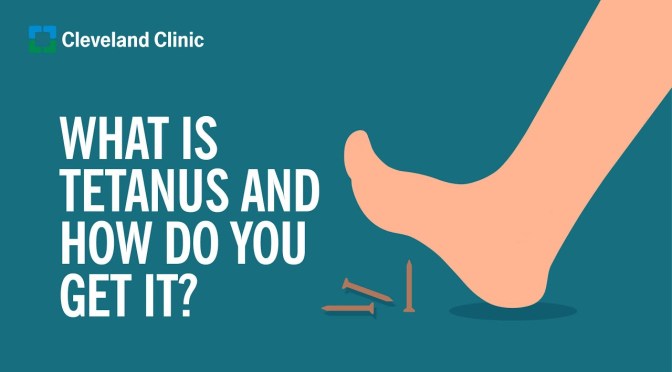
Tetanus: What It Is & When Should You Get A Shot

Chapters: 0:00 Intro 0:15 What is tetanus? 1:04 When should you get a tetanus shot? 1:41 When should you get a tetanus booster? 2:02 What is tetanus immune globulin? 2:26 Conclusion
DOCTORS PODCAST: MEDICAL & TELEHEALTH NEWS (DEC 11)
A weekly podcast on the latest medical, science and telehealth news.
DOCTORS PODCAST: MEDICAL & TELEHEALTH NEWS (DEC 4)
A weekly podcast on the latest medical, science and telehealth news.

Reports: Tufts Health & Nutrition – December 2022
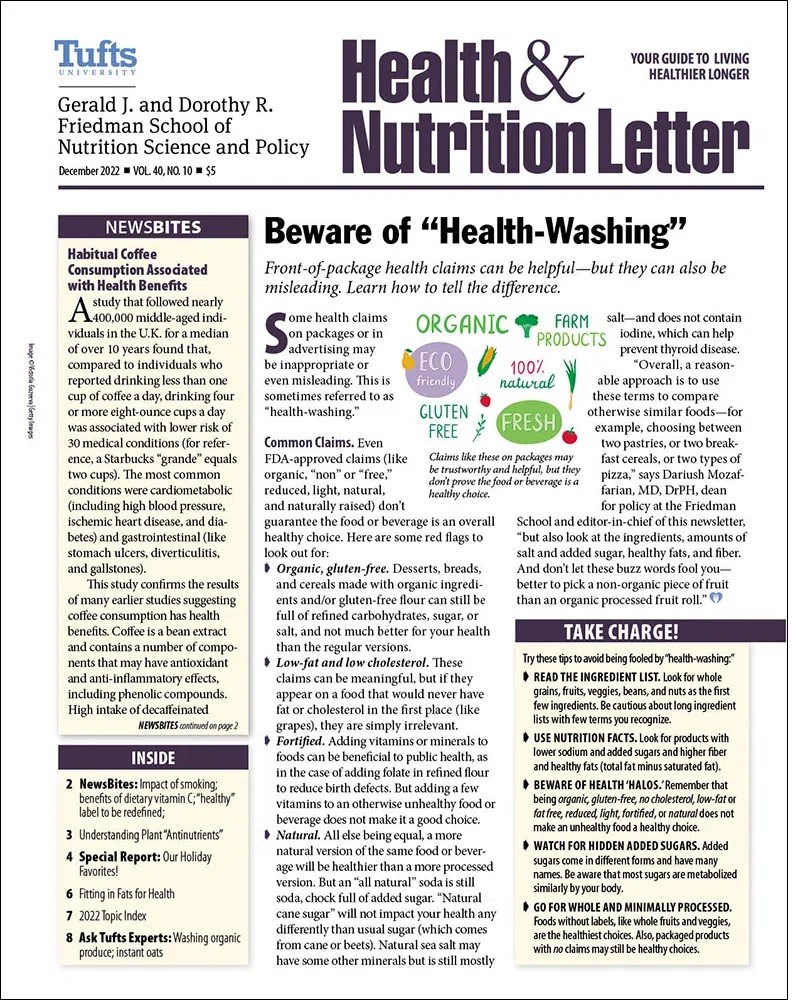

Beware of “Health-Washing”
Front-of-package health claims can be helpful—but they can also be misleading. Learn how to tell the difference.
Habitual Coffee Consumption Associated with Health Benefits
A study that followed nearly 400,000 middle-aged individuals in the U.K. for a median of over 10 years found that, compared to individuals who reported drinking less than one cup of coffee a day, drinking four or more eight-ounce cups a day was associated with lower risk of 30 medical conditions.
FDA Proposes New Definition of “Healthy” on Food Packages
The U.S. Food and Drug Administration (FDA) recently proposed new draft guidelines for food manufacturers who want to label their products as “healthy.” This term was last defined in the 1990s. According to the FDA, “our current definition permits manufacturers to use the claim ‘healthy’ on some foods that, based on the most up-to-date nutrition.
 Doctors Without Waiting Rooms