Learning about bladder cancer can be intimidating. Mark Tyson, M.D., a urologist at Mayo Clinic, walks you through the facts, the questions, and the answers to help you better understand this condition.
Video timeline: 0:00 Introduction 0:37 What is bladder cancer? 0:53 Who gets bladder cancer? / Risk factors 1:32 Symptoms of bladder cancer 1:59 How is bladder cancer diagnosed? 2:39 Treatment options 3:25 Coping methods/ What now? 4:04 Ending
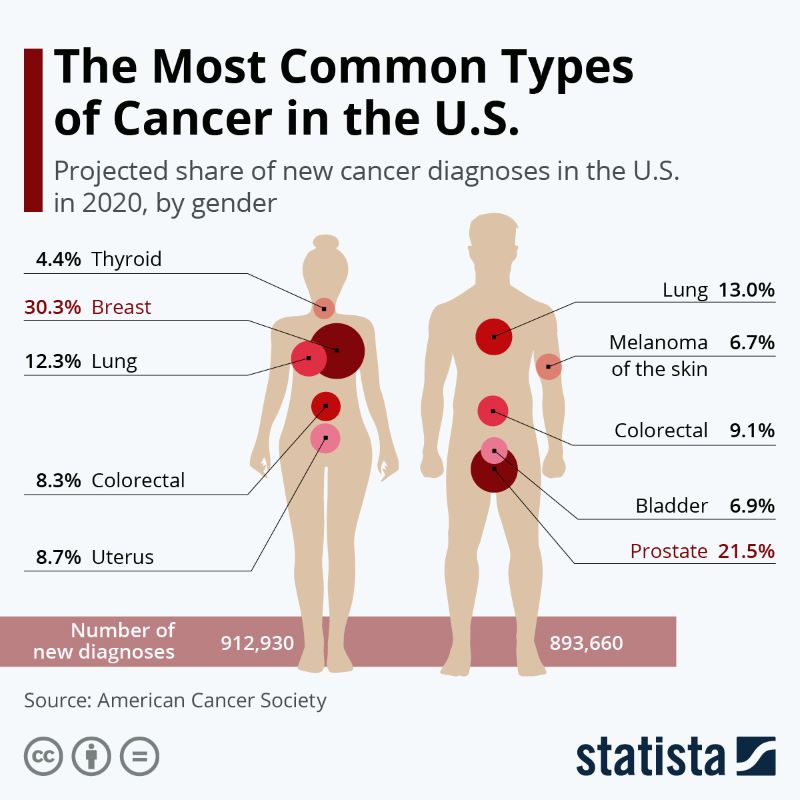
Bladder cancer is the fourth most common cancer in men, after prostate, lung, and colorectal cancer. A man has about one chance in 27 of getting bladder cancer during his life time. It is less common in women.
The urinary bladder is exposed, through the urine, to the waste products of the body. Cigarette smoking is the most common risk factor, and I suspect a lot of the chemicals that are in our environment could be suspected, like the delicious smoky flavor of barbecued food.
Bladder cancer does not often run in families, but it seems to in mine. My father died of bladder cancer, and I have just been diagnosed with it. When it runs in families, FGFR 2 can sometimes be found in the genes.
Hematuria is the most common Presenting symptom, but there are few other marker symptoms that give Bladder cancer away; It has been called it “the silent killer”.
Cystoscopy Is the most sensitive test for bladder cancer, and is not a painful examination in the hands of a good urologist.
In my opinion, cystoscopy should be used as a reasonable screening test to pick up bladder cancer at an early stage, when it is more treatable.


 Doctors Without Waiting Rooms