Tag Archives: Back Health

Aging: Degenerative Disk Disease Surgical Options

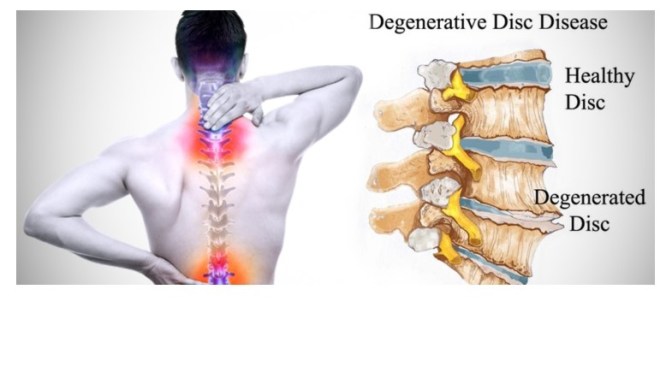
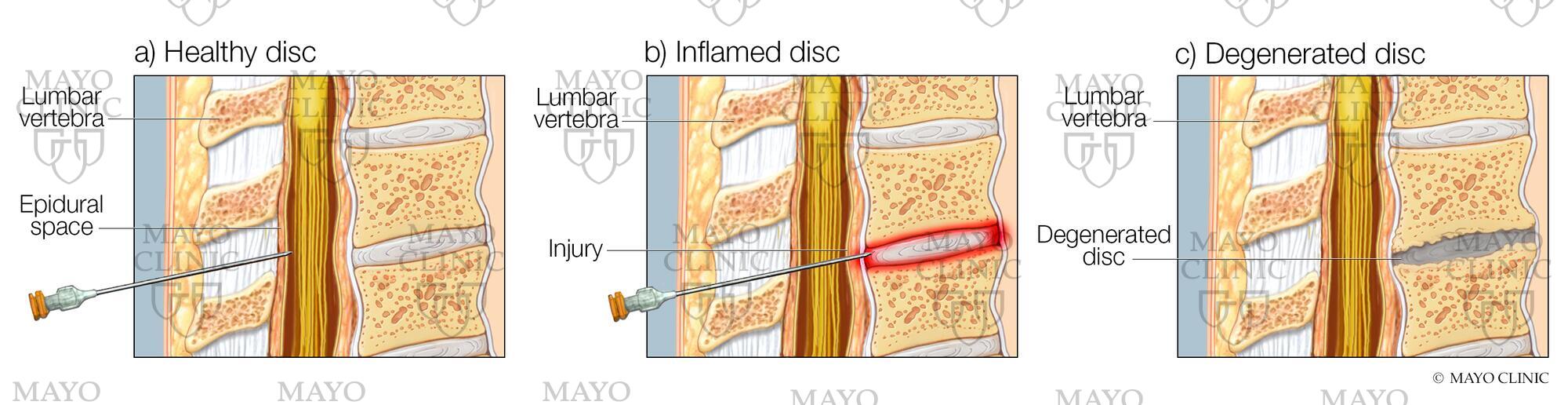
#DegenerativeDiskDisease is a common disorder linked to aging and years of wear and tear on the spine. Long-term therapies have so far eluded medical science.
Image

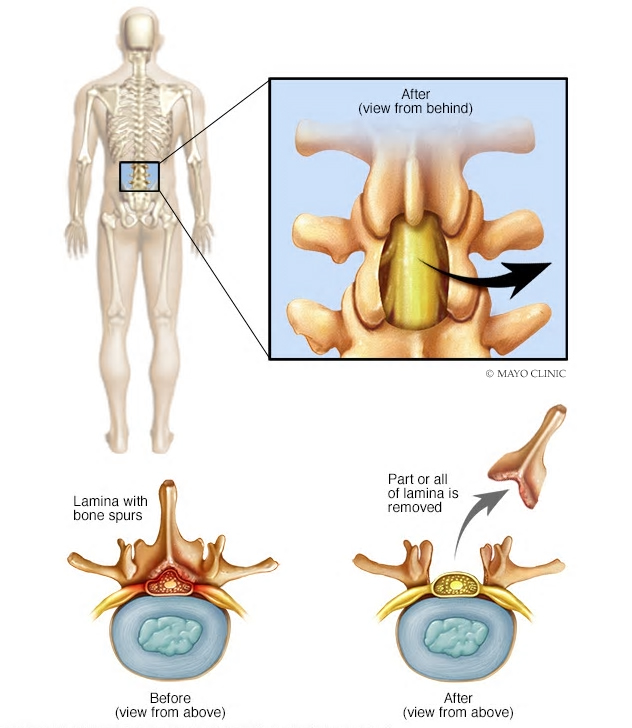
LAMINECTOMY

Lumbar laminectomy

Laminectomy is surgery that creates space by removing the lamina — the back part of a vertebra that covers your spinal canal. Also known as decompression surgery, laminectomy enlarges your spinal canal to relieve pressure on the spinal cord or nerves.

This pressure most commonly is caused by bony overgrowths within the spinal canal, which can occur if you have arthritis in your spine. These overgrowths sometimes are referred to as bone spurs, but they’re a normal side effect of the aging process in some people.

Some patients are able to have a same-day laminectomy, which means they do not need to stay in the hospital following surgery and are able to go home to recover. The procedure is performed using minimally invasive techniques resulting in smaller incisions, lower risk of infection and, for many people, a quicker recovery.

SPINAL FUSION
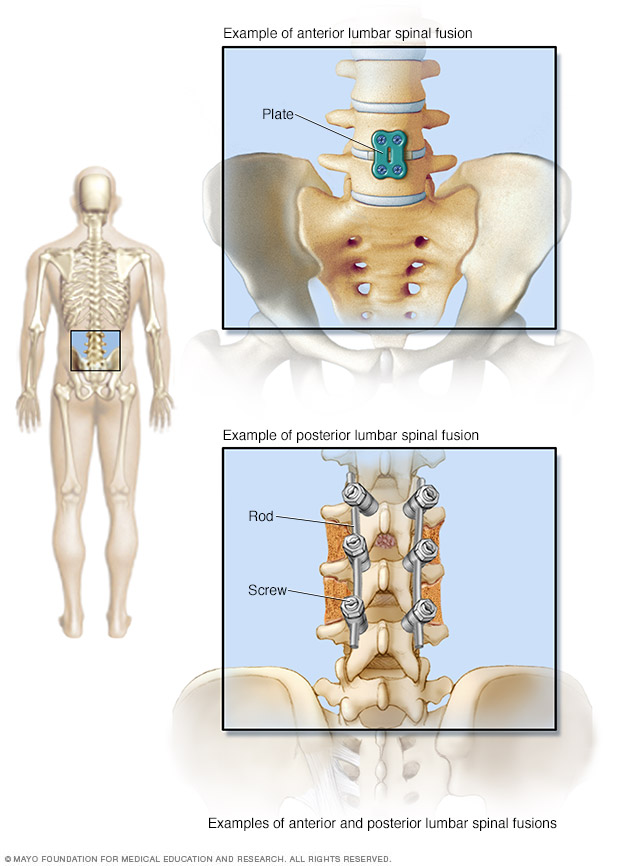
Spinal Fusion, Lower Back

Spinal fusion is surgery to permanently connect two or more vertebrae in your spine, eliminating motion between them. Spinal fusion involves techniques designed to mimic the normal healing process of broken bones. During spinal fusion, your surgeon places bone or a bone-like material within the space between two spinal vertebrae. Metal plates, screws and rods may be used to hold the vertebrae together, so they can heal into one solid unit.

Because spinal fusion surgery immobilizes parts of your spine, it changes the way your spine can move. This places additional stress and strain on the vertebrae above and below the fused portion, and may increase the rate at which those areas of your spine degenerate.
Read more at Mayo Clinic

Back Pain: The Symptoms And Causes Of Sciatica

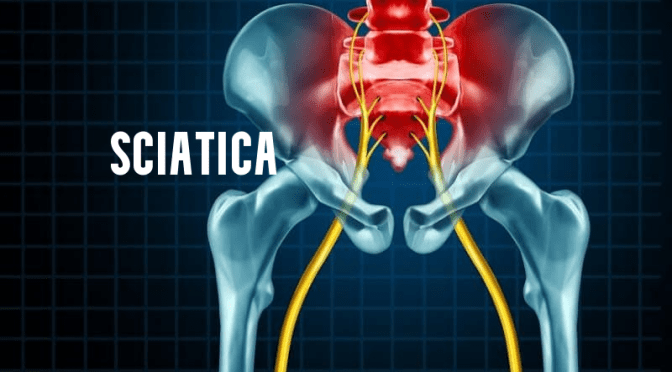
Most sciatica is caused by problems that affect the L4L5, or S1 nerve roots. The nerve may be compressed or irritated, usually because it’s being rubbed by a disc, bone, joint, or ligament. The resulting inflammation makes the tis­sues and the nerves more sensitive and the pain feel worse.

Damage to or pinching of the sciatic nerve, or the nerves that feed into it, can have several causes.

Herniated disc

One of the most common causes of sciatica is a herniated disc in the lower part of the spine. It’s also called a slipped disc, though there’s no slipping going on.

Spinal discs are tucked between the vertebrae, where they act as cushions to keep the bones from touching one another. The discs absorb all the forces placed on the spine from walking, running, sitting, twisting, lifting, and every other activ­ity we do. They also absorb forces from falls, collisions, and other accidents.

Spinal stenosis

The spinal canal protects the spinal cord and the nerves that run up and down the spine. Spinal stenosis is the narrowing of the spinal canal. When this occurs, nerves can be compressed, causing pain. Because the lumbar verte­brae undergo the most consistent stress and support the most weight, lumbar stenosis is the most common type of spinal stenosis.

Spondylolisthesis

The bones of the spine are stacked on top of one another, separated by discs. Spondylolisthesis occurs when one spinal bone slips forward in relation to the bone below it. When the L4 vertebra moves over the L5 vertebra, it can cause a kink in the spinal canal leading to pressure on a nerve root and sciatica.

Read more

THE DOCTORS 101 CHRONIC SYMPTOMS & CONDITIONS #57: SCOLIOSIS

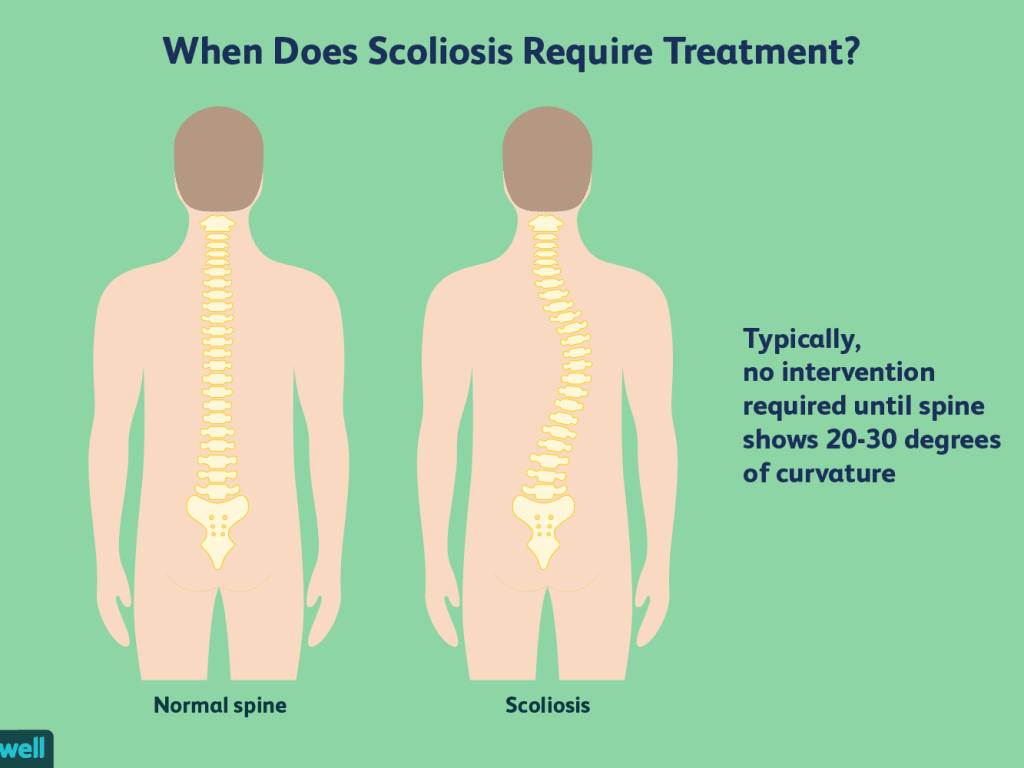
Scoliosis is a curvature of the spine most commonly starting in childhood or adolescence. The cause can be a muscle imbalance from cerebral palsy or other muscle problems, a birth defect,  an injury, or sometimes there is scoliosis that runs in the family and is hereditary. Occasionally it is caused by a difference in the length of the two legs.

The curvature is sometimes accompanied by a rotation of the spine, and will produce an asymmetry of the back. Perhaps one shoulder blade is higher than the other or one shoulder is lower than the other. Differences in the leg length can be seen by differences in height of the pelvis.

The problem can be silent, if mild. However it can affect the way the child walks, or even interfere with breathing if severe. If untreated and progressive, it can cause chronic back pain in adulthood. Treatment is accomplished by braces, or occasionally by screws placed in the side of the vertebra that can be adjusted.

I had a friend that was 70 years old whose back pain eventually forced surgery. Scoliosis should definitely be supervised by a Doctor who will use physical therapy, braces, or some other conservative treatment to avoid later difficulties.

Please refer to the Mayo clinic article for more information.

—Dr. C.

Read more