Tag Archives: Atrial Flutter

Tachycardia: Types, Causes & Symptoms (Mayo Clinic)

Tachycardia is the medical term for a heart rate over 100 beats per minute. There are many heart rhythm disorders (arrhythmias) that can cause tachycardia.

Types of tachycardia

There are many different types of tachycardia. They’re grouped according to the part of the heart responsible for the fast heart rate and cause of the abnormally fast heartbeat. Common types of tachycardia include:

  • Atrial fibrillation. Atrial fibrillation is a rapid heart rate caused by chaotic, irregular electrical impulses in the upper chambers of the heart (atria). These signals result in rapid, uncoordinated, weak contractions of the atria.Atrial fibrillation may be temporary, but some episodes won’t end unless treated. Atrial fibrillation is the most common type of tachycardia.
  • Atrial flutter. In atrial flutter, the heart’s atria beat very fast but at a regular rate. The fast rate results in weak contractions of the atria. Atrial flutter is caused by irregular circuitry within the atria.Episodes of atrial flutter may go away themselves or may require treatment. People who have atrial flutter also often have atrial fibrillation at other times.
  • Supraventricular tachycardia (SVT). Supraventricular tachycardia is an abnormally fast heartbeat that starts somewhere above the lower chambers of the heart (ventricles). It’s caused by abnormal circuitry in the heart that is usually present at birth and creates a loop of overlapping signals.
  • Ventricular tachycardia. Ventricular tachycardia is a rapid heart rate that starts with abnormal electrical signals in the lower chambers of the heart (ventricles). The rapid heart rate doesn’t allow the ventricles to fill and contract efficiently to pump enough blood to the body.Ventricular tachycardia episodes may be brief and last only a couple of seconds without causing harm. But episodes lasting more than a few seconds can become a life-threatening medical emergency.
  • Ventricular fibrillation. Ventricular fibrillation occurs when rapid, chaotic electrical impulses cause the lower heart chambers (ventricles) to quiver instead of pumping necessary blood to the body. This can be deadly if the heart isn’t restored to a normal rhythm within minutes with an electric shock to the heart (defibrillation).Ventricular fibrillation may occur during or after a heart attack. Most people who have ventricular fibrillation have an underlying heart disease or have experienced serious trauma, such as being struck by lightning.
HEART ARRYTHMIAS: “ATRIAL FIBRILLATION” (AFIB)

The normal adult heart beats almost as regularly as a metronome, between 60 and 100 beats per minute. I say ALMOST, because when you let your breath out, the VAGUS nerve slows the normal heart slightly.

This is called Sinus Arrhythmia; SINUS because the electrical signal for the heart to contract originates in the usual place, the SINUS NODE.

ARRYTHMIA refers to the irregularity of the beat. Normally, the sinus node originates the electrical impulse, automatically generating the rhythm. The impulse spreads in an organized fashion throughout the Atria causing them to contract and send the collected blood to the ventricles.

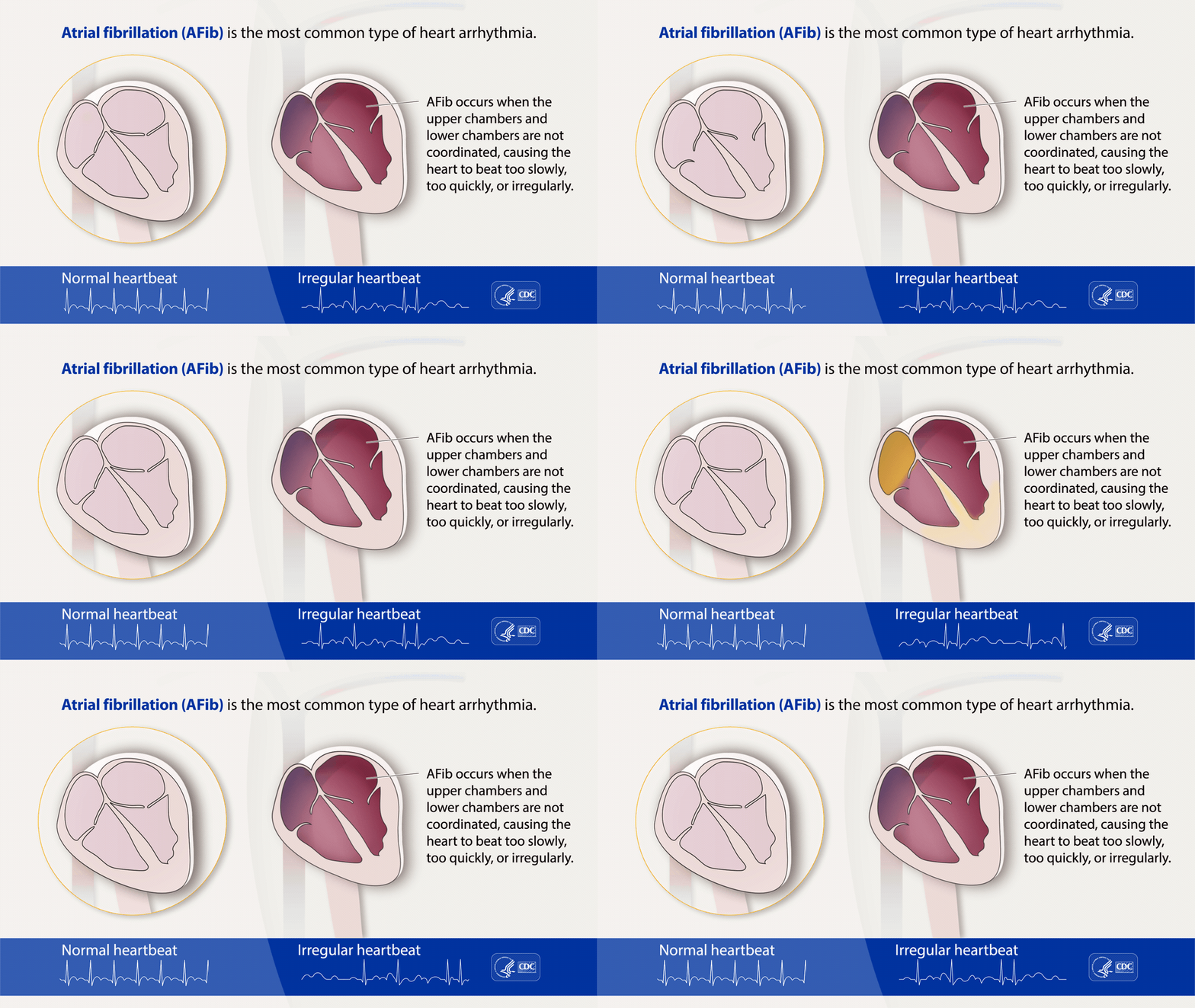
Atrial Fibrillation | cdc.gov

The AV node is then activated, and after a slight delay, to allow the ventricles to fill, the impulse spreads to the Ventricles, causing them to contract, The heart is designed to be most efficient above 50 beats per minute, and below about 120. The rate is higher in the young and athletic. Athletes often have an efficient resting pulse in the 40s.

The arrhythmias usually cause the heart to beat too FAST. The most common arrhythmia is ATRIAL FIBRILLATION. In this condition, the upper chambers, the Atria, do not beat in a coordinated manner. The sinus node no longer regularly originates the electrical impulse because the electrical activity is continuously traveling in a disorganized way throughout the upper chambers in a self-propagating manner.

This quivering of the Atria allows the blood to pool in an area called the Atrial Appendages. This stagnant, pooled blood tends to clot, particularly if there is inflammation already present in the heart from vessel damage, obesity, or simply old age.

These CLOTS may find their way into the systemic circulation, and cause a STROKE. Another symptom of Atrial fibrillation is related to the irregular beats, which creates the sensation of PALPITATIONS, which causes you to be AWARE of your heart beating, and can be disturbing.

ATRIAL FLUTTER, and SUPRAVENTRICULAR TACHYCARDIA are other Arrhythmias. Some conditions cause the heart rate to be too SLOW. SICK SINUS SYNDROME is when the sinus node, the PACEMAKER, becomes more and more disordered, sometimes causing the heart to slow excessively, and produce FAINTING, sometimes producing a rapid heart rate.

Atrial Fibrillation Compared to Normal Conduction Useful graphic ...

Heart block is where the signal from the atria don’t reach the ventricles properly, sometimes not at all. The unsignaled ventricles still beat, but more slowly by an intrinsic, “idioventricular” rhythm.

My own experiences with ATRIAL FIBRILLATION will illustrate the problem and it’s treatment. A RAPID HEART BEAT was my introduction into arrhythmias. The rate was 140, and the EKG showed ATRIAL FLUTTER.

My Doctor gave me some PROPAFENONE to attempt a “chemical conversion” but it didn’t work, and i was given a CARDIOVERSION in the ER. The Arrhythmia returned in the form of ATRIAL FIBRILLATION within a couple of weeks. Back to the ER, and another cardioversion.

I was given propafenone, but that didn’t hold me much longer. A RADIOFREQUENCY ABLATION, where the focal points of aberrant electrical activation were isolated kept me in SINUS RHYTHM for a couple of years.

When the Fibrillation returned, Propafenone worked for a while, after which another Ablation, more propafenone, bood level regulation of propafenone to peak at night ( I invariably started fibrillation at night) and so on. With periodic trips to the ER for Cardioversion, I got by for a Decade.

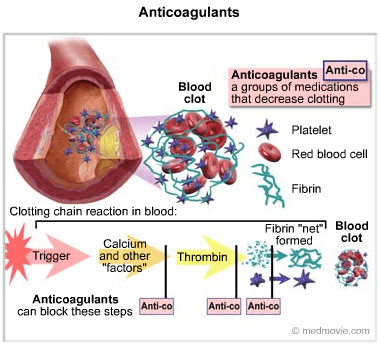
Finally, when regulating the Propafenone couldn’t hold me in Sinus Rhythm longer than a month, I gave up, let myself go on fibrillating, and started taking ELEQUIS to PREVENT EMBOLI AND STROKE. Back when I first started fibrillating I had 2 main reasons for wanting to return to sinus rhythm..

First, I wanted to avoid ANTICOAGULANTS, which initially meant WARFARIN, and regular blood checks. At least, when I finally resigned myself to Fibrillation, Eliquis was available.

The second reason was to avoid medications, including beta blockers,which would be necessary to keep my heart rate in the acceptable range, 80 or below. By the time I gave up on controlling the AF, my rate was in the 70s, going down into the 50s, even while fibrillating.

This good fortune may have been caused another mild heart aberration I had all along, a Partial BUNDLE BRANCH BLOCK, which slowed down the electrical signals to my ventricles. Sometimes you get lucky, and 2 “wrongs” sometimes DO make a “right”. But don’t count on it.

Keep yourself as healthy as possible. Atrial fibrillation is more common with obesity and heart disease. SLEEP APNEA is also a cause, and should be ruled out if you develop Atrial fibrillation. I had a Sleep study, which showed that I had Sleep Apnea, which will be a story i will tell later.

–DR. C