
Category Archives: Reviews

MEDICAL REVIEW: ‘SINGLE-PORT ROBOTIC SURGERY’

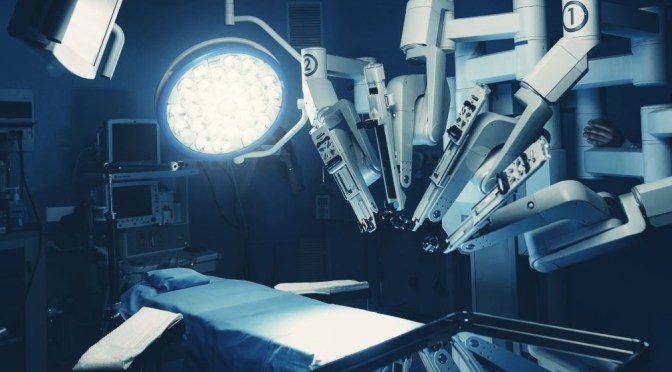
Freethink – Robotics are helping make minimally invasive surgeries even less invasive. Case in point: single-port robotic surgery, a relatively new type of approach where a robotic system controlled by a human surgeon executes the procedure by making only one incision into the patient.

Although still relatively uncommon, single-port surgery has been gaining momentum in recent years. The benefits are noticeable. Compared to traditional surgery, single-port surgery might leave patients with shorter recovery times, less scarring, and overall better outcomes.

The technique is also transforming how surgeons think about and execute surgery itself. “It’s allowing us to do surgeries differently than we do with [multi-port surgery],” said Michael Stifelman, M.D., director of robotic surgery at Hackensack University Medical Center. “What every patient wants is to get back to their life. Single-port robotics is allowing us to get them to that point more quickly.”

Learn more about the future of single-port surgery in this episode of “Operation: Reimagine Surgery,” a Freethink original series produced in partnership with Intuitive, which created the world’s first commercially available robotic surgery system in the 1990s.

Reviews: Heart Attacks Vs. Sudden Cardiac Arrest

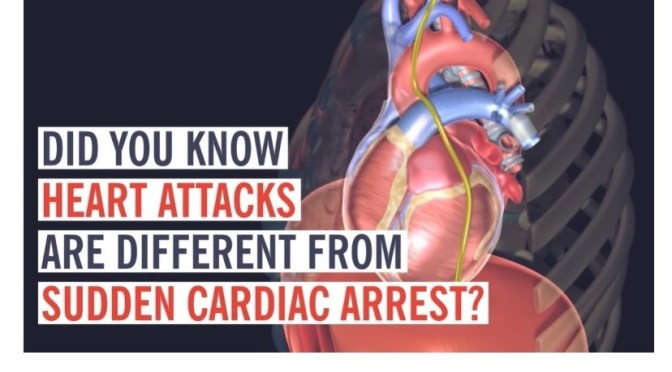
Sudden cardiac arrest (SCA) isn’t the same as a heart attack, though people often use the terms interchangeably. While both are life-threatening heart conditions, understanding the differences could be lifesaving.

When it comes to cardiac arrest versus a heart attack, it can be easy to get them confused. You may be wondering, Is cardiac arrest the same as a heart attack?

Both a heart attack and cardiac arrest can be scary and life-threatening medical conditions affecting your heart, but there are differences in how and why they occur.

A heart attack is caused by a blockage. It happens when an artery blocks the blood flow to your heart.

Cardiac arrest is an electrical issue. It occurs when quick, irregular impulses take over your heart’s rhythm.

Read more

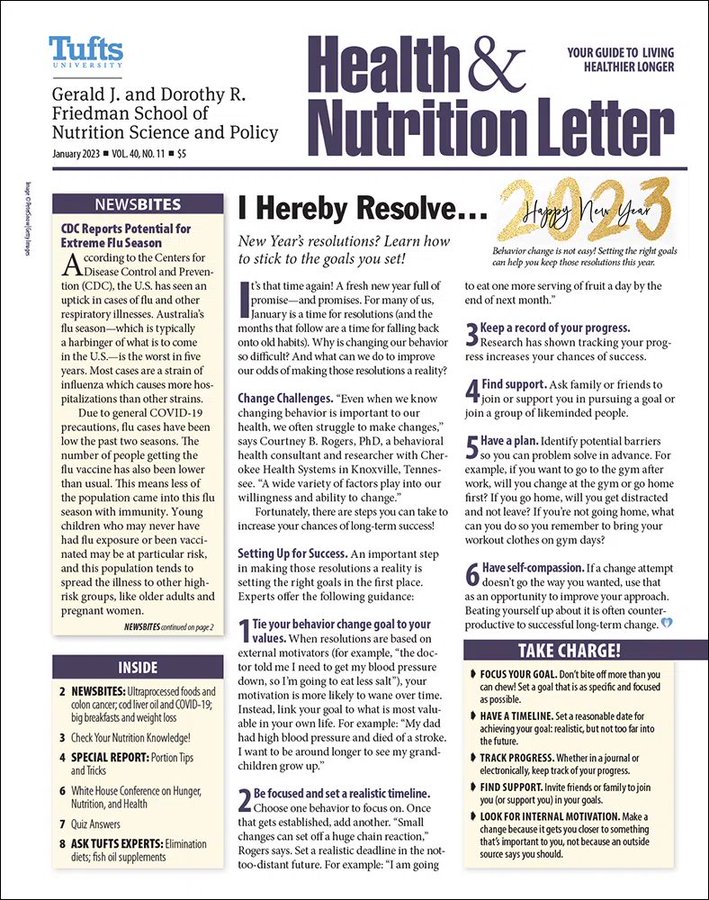
Reports: Tufts Health & Nutrition – January 2023

Tufts Health & Nutrition Letter – January 2023:

Ask Tufts Experts: January 2023

Elimination diets … Fish oil and heart arrythmia

Q: What is an elimination diet? Can it be used for weight loss? 

A: Alicia Romano, MS, RD, CSNC, a registered dietitian/nutritionist with the Frances Stern Nutrition Center who specializes in gastrointestinal diseases and food allergies, answers: “I’m glad you asked this question! Elimination diets are sometimes used as diagnostic or treatment tools. They are not for weight loss.

Portion Tips and Tricks

Using common items makes it easy to know how much food you’re really eating.

Nutrition: The Benefits Of Vitamin B9 & Folic Acid

Vitamin B9 is one of eight B (B-complex) vitamins that help your body change food (carbohydrates) into fuel (glucose) to produce energy. You need B9 for the health of your liver, skin, hair and eyes, and to keep your nervous system working properly.

Cleveland Clinic – Vitamin B9 helps your body make healthy new cells, supporting many of its functions, and may help prevent health issues from developing. It’s proven critical for reproductive health, too.

“It’s essential for people who are pregnant to take folic acid supplements to support healthy fetal growth and development,” notes Zumpano. “When you’re trying to conceive or are pregnant, it’s extremely difficult to get the amount of vitamin B9 needed.”

Studies show that people who take folic acid supplements before conception and during the first trimester of pregnancy may reduce their risk of having children with neural tube defects (birth defects of the brain and spine such as spina bifida) by 40% to 80%. Early evidence suggests folic acid may also be associated with a lower risk of autism, severe language delays and emotional issues.

Read more

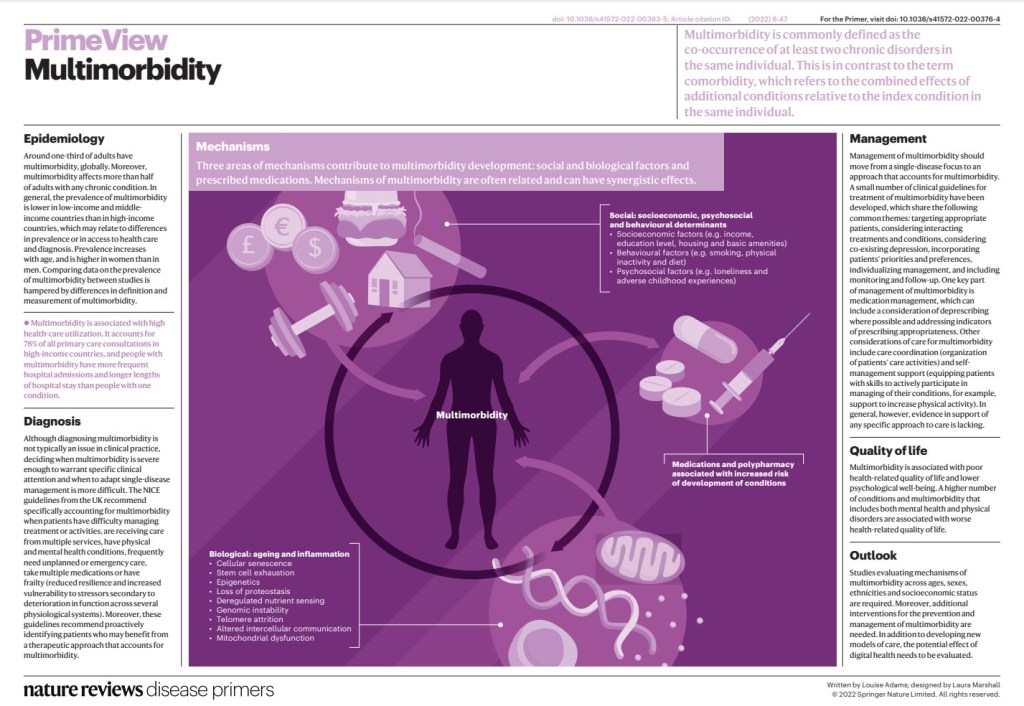
Infographic: Diagnosis & Care Of Multimorbidity

People with multimorbidity (two or more coexisting conditions in an individual) are more likely to die prematurely, be admitted to hospital and have an increased length of stay than people with a single chronic condition.

Multimorbidity is also associated with poorer function and health-related quality of life (HRQOL), depression and intake of multiple drugs (polypharmacy) and greater socioeconomic costs. Most health care is designed to treat individual conditions rather than providing comprehensive, person-centreed care, which often leads to fragmented and sometimes contradictory care for people with multimorbidity and increases their treatment burden.  Moreover, treating one condition at a time is inefficient and unsatisfactory for both people with multimorbidity and their health-care providers.

Read more

Reviews: WHY ARE FLU, RSV AND STREP SURGING IN 2022?

Daniela Hernandez | WSJ – Getting the flu can increase the risk of getting a second infection, including strep throat. WSJ’S Daniela Hernandez explains the science behind that, plus what it means for the rest of the winter and how we can protect ourselves so the tripledemic doesn’t get worse.

Video timeline: 0:24 – Flu Damage 1:25 – Lower population immunity 2:03 – Who’s most vulnerable? 3:05 – How can we protect ourselves?

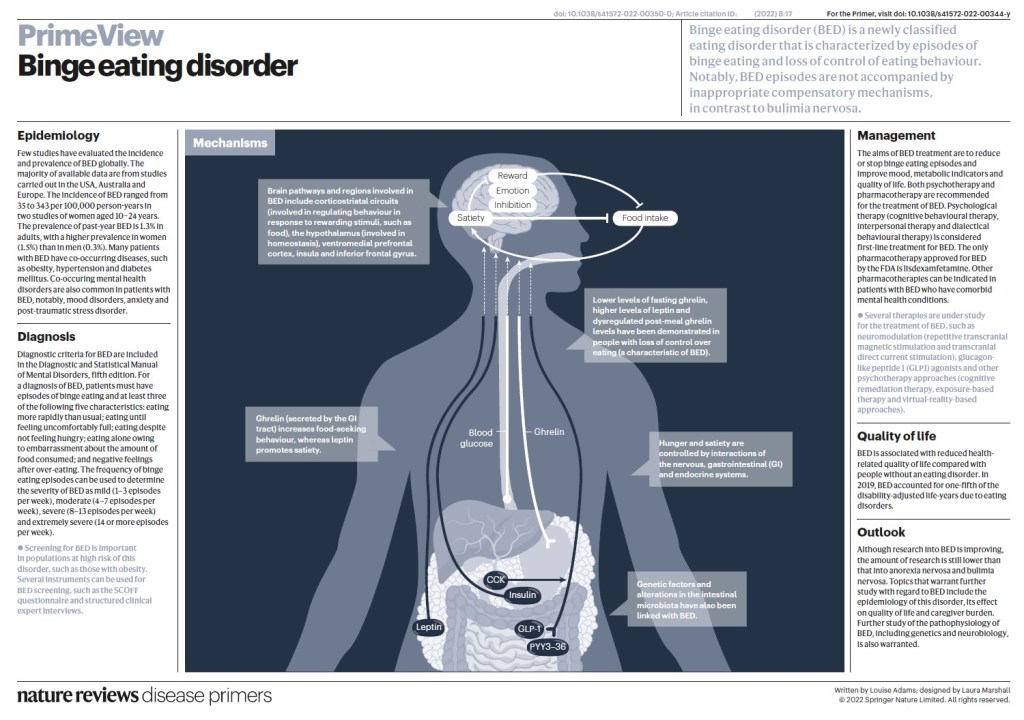
Infographics: Diagnosing Binge Eating Disorder

Most people with binge-eating disorder are overweight or obese, but you may be at a normal weight. Behavioral and emotional signs and symptoms of binge-eating disorder include:

  • Eating unusually large amounts of food in a specific amount of time, such as over a two-hour period
  • Feeling that your eating behavior is out of control
  • Eating even when you’re full or not hungry
  • Eating rapidly during binge episodes
  • Eating until you’re uncomfortably full
  • Frequently eating alone or in secret
  • Feeling depressed, disgusted, ashamed, guilty or upset about your eating
  • Frequently dieting, possibly without weight loss

READ MORE AT MAYO CLINIC

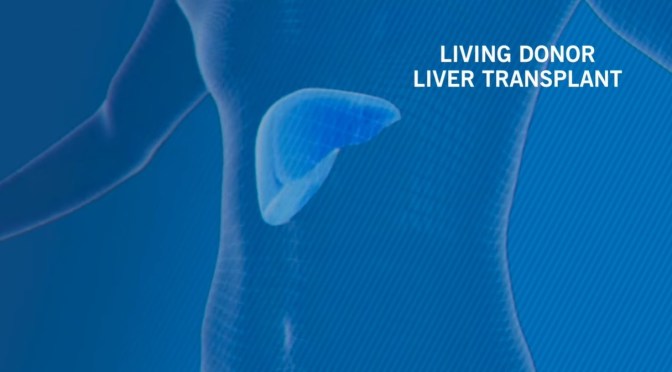
Medicine: Living Donor Liver Transplantation

Cleveland Clinic – In living donor liver transplantation a portion of a donor’s healthy liver is transplanted into a recipient in need. Living donor liver transplantation is possible because the liver, unlike any other organ in the body, has the ability to regenerate (regrow). Most regeneration of both the donor’s and recipient’s livers occurs within the first 8 weeks.

All potential donors will undergo a complete medical and psychosocial evaluation. Not everyone is suitable or eligible to become a living liver donor based on a number of factors such as pre-existing medical conditions, psychosocial concerns, or liver size. Donating an organ is a personal decision that should only be made after becoming fully informed about its potential risks and benefits.

READ MORE