Category Archives: Resources

THE DOCTORS 101 CHRONIC SYMPTOMS & CONDITIONS #54: ORAL THRUSH


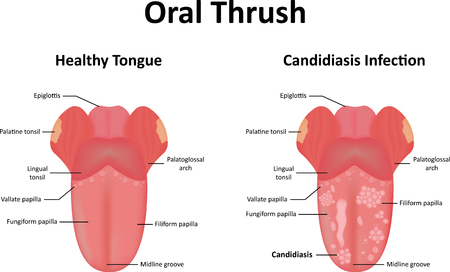
Thrush is an infection of the mouth with an organism called candida albicans. It is most common in the newborn and with young children, but can occur in adults if they have an immune deficiency,  use corticosteroid inhalers, are diabetic, or take broad-spectrum antibiotics.
A combined mother–child problem can occur with breast-feeding mothers in the newborn period. The mother’s  nipples may become infected, giving it to the baby, and they can pass back and forth. A baby who has thrush is also susceptible to diaper rash caused by candida.

There is a sense of irritation and some pain associated with thrush in the mouth, the diaper area, and the nipples. Thrush appears as cottage cheese-like areas on the throat and tongue.

The normal immunity usually keeps thrush at bay. In a newborn, however, the immune system is not fully developed. Sometimes the hormones of pregnancy facilitate thrush in the mother. Diabetes and smoking can also allow thrush.

Sometimes the thrush infection will go down into the swallowing tube, the esophagus, and produce inflammation. This can cause pain on swallowing, and is most common in AIDS and other immunodeficiency states.

Treatment of surface candida infections like throat is usually with Mycostatin– containing mouthwashes or creams. If it spreads beyond the surface, however, you will need more potent medications. Candida albicans is everywhere, and your immunity is your main defense against it.

Keep your immunity as solid as possible naturally, with good sleep, diet and exercise.
—Dr. C.

Read more

THE DOCTORS 101 CHRONIC SYMPTOMS & CONDITIONS #53: GRAVES’ DISEASE

Graves’ disease is the most common cause of hyperthyroidism. Hyperthyroidism is an over activity of the thyroid gland, and can also be produced by an overgrowth in the gland called an adenoma.

The thyroid gland is an H-shaped structure sitting astride the wind pipe. If a physician palpates the front of your neck, she is most likely trying to see if she can feel the thyroid gland. Enlargement of the grand can interestingly be produced by either overactivity or under activity.

Graves’ disease is an auto immune disease, where the antibodies produced attach to the TSH receptor on the thyroid gland, stimulating overactivity.

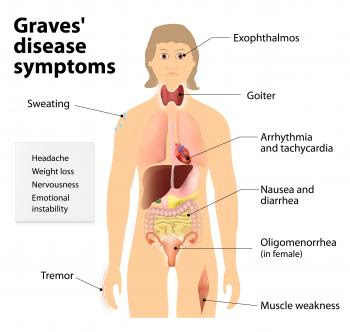
Many  metabolic processes are regulated by the thyroid gland, and increased activity produces difficulties like insomnia, fast irregular heartbeat, shaking of the hands, heat intolerance, and irritability. Other symptoms are protrusion of the eyes, fatigue, muscle weakness, and unexplained weight loss.

The doctor suspects the disease because of the symptoms, and must do blood tests and perhaps imaging tests to make the diagnosis. Treatment consists of decreasing thyroid activity, either by radiation techniques, anti-thyroid chemicals, or surgery.

It is very difficult to reduce thyroid activity in exactly the right amount, so that thyroid administration will be necessary. This can be tricky, and requires several visits for adjustment.

The ultimate cause of Graves’ disease is unknown. The immediate cause is thyroid stimulating immunoglobulin. Graves is an auto immune disease, and is more common in people who suffer from other autoimmune diseases, such as type one diabetes, rheumatoid arthritis, or inflammatory bowel disease. The doctor will question you about some of these diseases.

Both causes of hyperthyroidism have occurred in friends of mine. The friend with the adenoma had an easier time with medication adjustment, and had no other problems. The one with the Graves’ disease has had a difficult time getting a proper dose of thyroid medication, and she has other problems with auto immunity. Women typically have more  autoimmune problems.

Interestingly, the commonest cause of low thyroid activity is also an autoimmune disease. Some of the symptoms of low thyroid are the opposite of excessive thyroid activity; sleeping is excessive, there is sensitivity to cold, unexplained weight gain, and sluggishness.

Check with the doctor if you have any of the symptoms mentioned.
There is a Cleveland clinic discussion of Graves’ disease following this article.

—Dr. C.

Read more

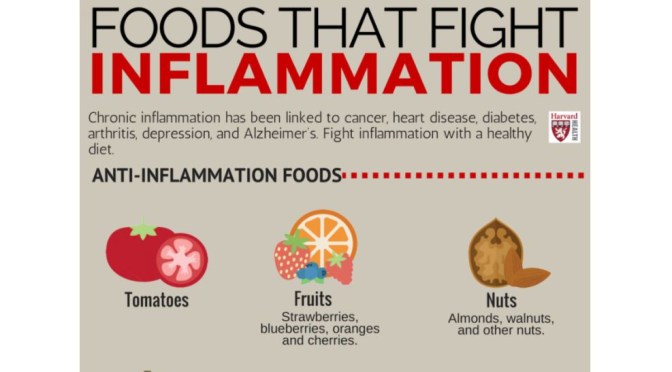
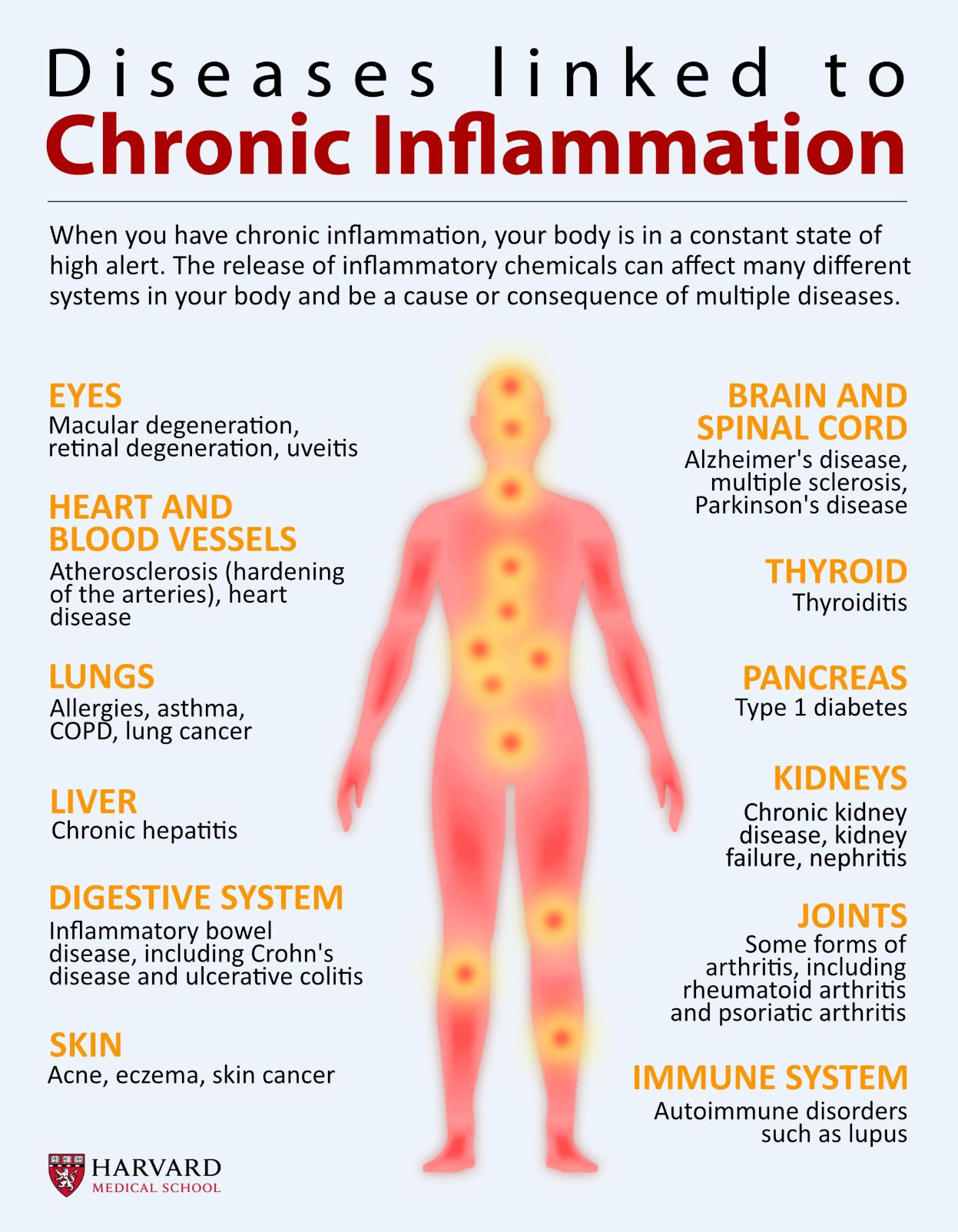
Health: Foods That Fight Inflammation (Harvard)

Viral Infections: Shingles

Overview

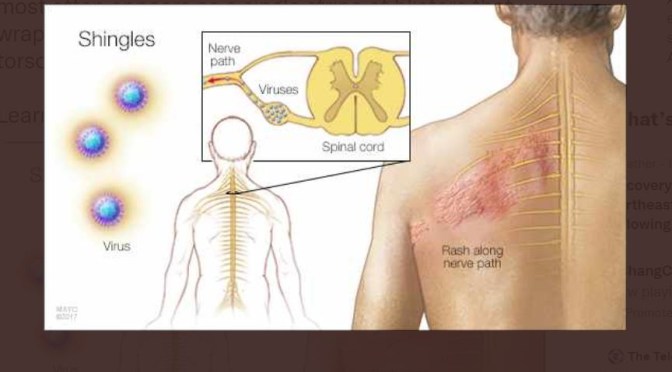
Shingles is a viral infection that causes a painful rash. Although shingles can occur anywhere on your body, it most often appears as a single stripe of blisters that wraps around either the left or the right side of your torso.

Shingles is caused by the varicella-zoster virus — the same virus that causes chickenpox. After you’ve had chickenpox, the virus lies inactive in nerve tissue near your spinal cord and brain. Years later, the virus may reactivate as shingles.

Shingles isn’t a life-threatening condition, but it can be very painful. Vaccines can help reduce the risk of shingles. Early treatment can help shorten a shingles infection and lessen the chance of complications. The most common complication is postherpetic neuralgia, which causes shingles pain for a long time after your blisters have cleared.

HEALTH: DEMENTIA SET TO INCREASE 40% BY 2030 (WHO)

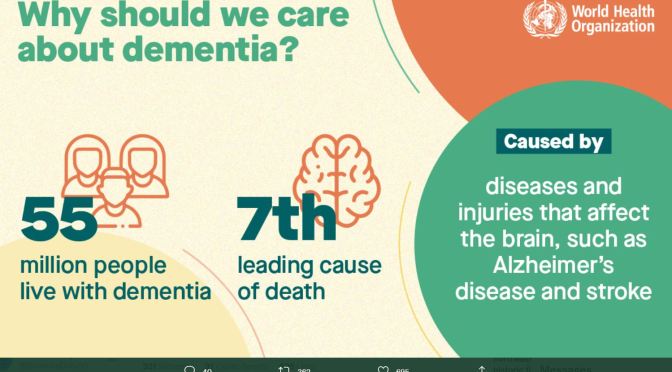
More than 55 million people worldwide are living with dementia, a neurological disorder that robs them of their memory and costs the world $1.3 trillion a year, the World Health Organization (WHO) said on Thursday.

COMMENTARY:

Preventing Dementia by healthful living habits such as good sleep, diet and exercise would certainly save lots of misery and expense, by preventing dementia. These same habits would also go a long way in preventing auto immune disease, diabetes and chronic stress.

–Dr. C

DIABETES: THE ROLE OF INSULIN AND ISLETS (VIDEO)

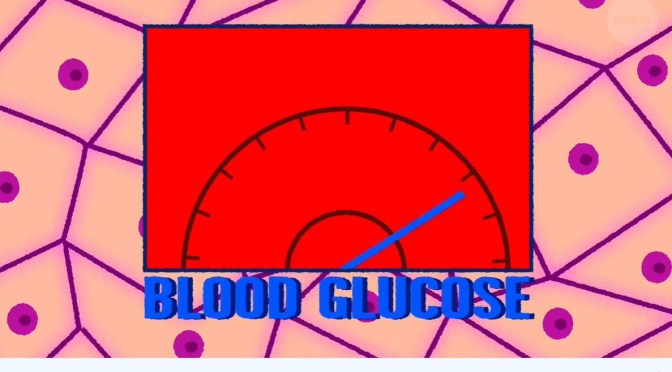
Type 1 and type 2 diabetes are characterized by increased blood glucose levels. They affect almost half a billion people around the globe, and this number is projected to rise as we reach the middle of the century. In most individuals, blood glucose levels are kept within a healthy range by a hormone called insulin, which is secreted by the pancreas, but this fine-tuned regulation can go wrong in type 1 and type 2 diabetes. In this animation, we lay out our current understanding of these diseases and explore active areas of research that aim to restore the body’s blood glucose control.

OSTEOARTHRITIS: SYMPTOMS & TREATMENT OPTIONS (UVA)

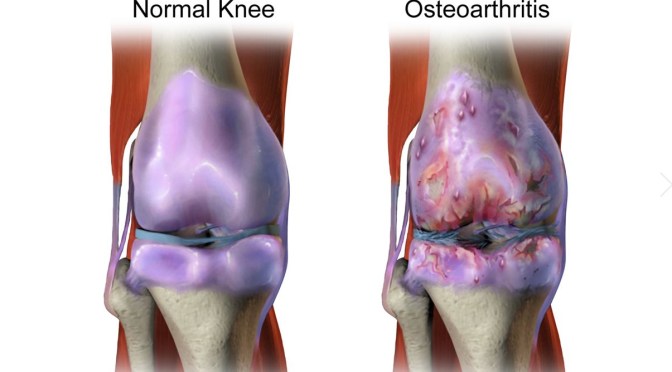
Osteoarthritis is a “wear-and-tear” form of arthritis. Over time, the protective tissue at the ends of the bones wears down, so simple tasks like standing up or taking the stairs becomes painful. Orthopedic surgeon James Browne, MD, discusses the causes of the disease, and the many treatment options available at UVA.

Find out more at: https://uvahealth.com/services/joint-..

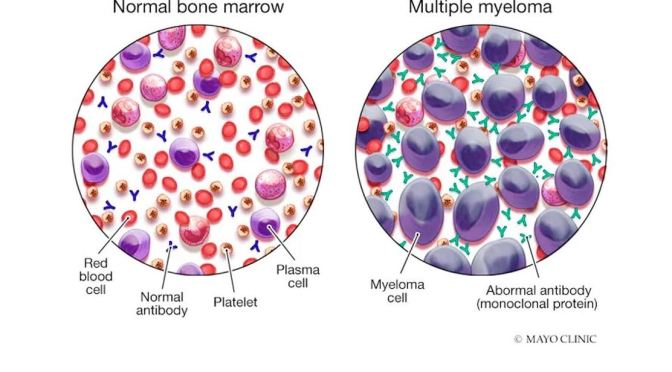
DR. C’S JOURNAL: WHAT IS MULTIPLE MYELOMA?

There are many types of cells in the human body, and any of them can mutate, and become cancerous.  Cells of The immune system are no exception, ironically,  even though their one of their jobs is to fight cancer.

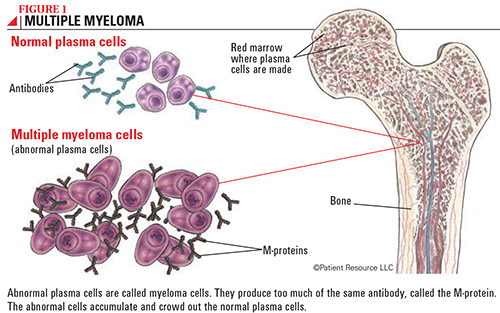
The plasma cell is an immune system cell that develops from lymphocytes(B-cells) and specializes in producing “Gamma Globulins”, a type of antibody.

When cancer involves plasma cells In the bone marrow it tends to crowd out the other cells. This can produce bone pain and anemia.

All of the cancer cells come from a single progenitor cell and form a “clone”. This clone produces a large amount of defective protein that would normally be combined with other proteins into the making of antibodies. The large amount of the same protein can often be  detected in the urine, as a “Bence Jones” protein.

In modern terminology, the condition is called a “monoclonal gammopathy”. This mass of protein gets into the bloodstream, and can deposit in various tissues, where it is called “amyloidosis”. The kidneys are often damaged in the process of excreting the overproduced, repetitious chains of useless protein.

I had a friend who was a pilot in the military during the Vietnam war. He was around “agent orange”,  which was on the news a lot in the 80’s. Agent orange was contaminated by a toxic chemical called Dioxin, which is known to cause cancer. My friend developed a cancer, primary amyloidosis, which is a close relative of multiple myeloma, and in his case produces what is called light chains.

His first warning was an elevated creatinine on a metabolic panel blood test, which pointed to the kidneys.  Medical investigation uncovered his plasma cell cancer, and he began treatment.  His kidneys eventually started to fail.

His daughter donated one of her kidneys, and currently he’s doing well, since medical treatment curtailed the light chain production.
Please refer to the accompanying Cancer association article on multiple myeloma.

A Mayo clinic article was posted on DWWR on May 25, 2021.

—Dr. C.

Read more