
Category Archives: Opinion

Covid-19: The Unwanted Thanksgiving Day Guest

The risk of Covid starts with the level of infection in your community. If high or rising,of course, you have to be more careful. If low or dropping, you can be less worried. The whole adventure revolves around your personal tolerance for risk.

If you are healthy, young and fully immunized, especially with a booster, you can take more risk. If you have actually had test-positive  Covid, that counts as one injection.
Remember that your immunity begins to wane after 3 to 6 months.
If you have an immune deficiency, such as age more than 60, obesity, or a variety of immune associated illnesses, you should be more careful.

If you have decided to go to one or more holiday venues, you might consider reducing your exposure for a week before, or possibly take a rapid test the day before you go, as a courtesy to the other guests. At the party, you can choose to be as close to a window, or fan, as possible, or prefer those groups who are outside. Wearing a mask might also be helpful, and at least will tell the other guess that you are worried.

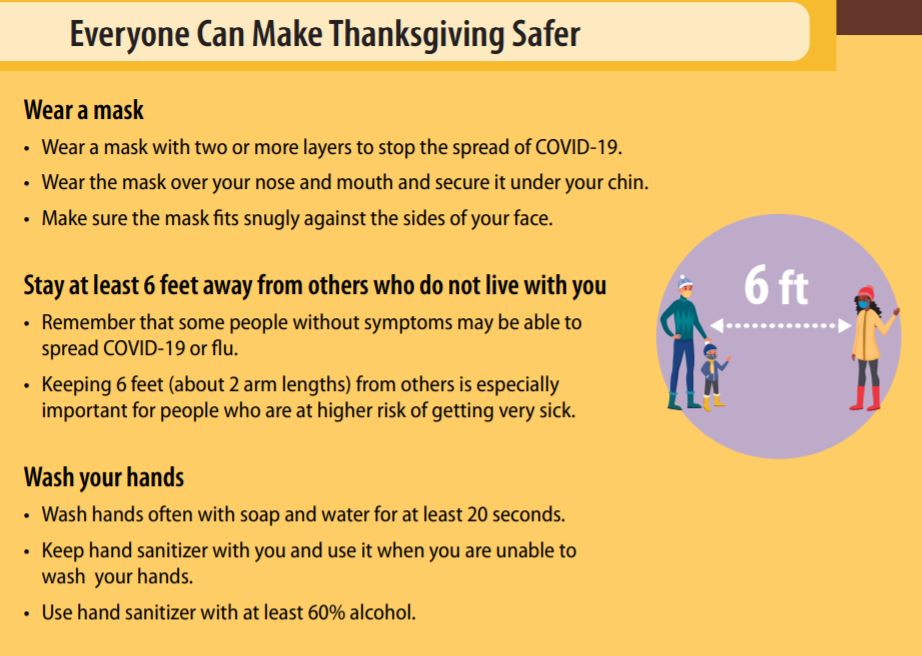
The catch 22 is that if you are really worried you might consider not attending the gathering. Distancing to more than six or 9 feet is still a good idea, but makes you seem like a Grinch, and is difficult at a party. Do remember that the greater the density of people the greater your risk. If you are a host, especially in an area where Covid is rampant, your guests should be vaccinated. You might consider asking your guests to get a rapid test the day before they come. 

If you have children who are unvaccinated, you might ask them to wear a mask, and keep their distance from the guests. You could open the window a crack to improve the ventilation in the room, and hold as much as possible of the gathering outside your house. You could ask the guests to wear masks when they are not eating. The N-95, KN-95, and KF-94 masks are all excellent, and will protect the people who wear them to some degree, and be very protective against their spreading the Covid virus.

After the gathering, especially if good protocol has not been followed, you might be alert to the possibility of an infection within a week to 10 days following the party. If you develop symptoms, a prompt rapid test is advisable. If positive, you can check with your doctor about the possibility of IVIG, or other medications. If negative, and the symptoms persist, the test should be repeated, since they are not 100% reliable.

There are a couple of oral  tablets that are on the verge of being approved. You might ask your doctor about fluvoxamine, an already approved medication.

Immunization is not a ironclad guarantee against getting the infection, or spreading it. Unfortunately, Covid is still lurking in the background, and gatherings for the holidays should be evaluated on a risk-reward basis.

For an interesting discussion of this topic, I would recommend the Sunday, November 21, 2021 edition of the New York Times, where three knowledgeable people discuss individual situations.

—Dr. C

Infections: Cryptococcus Neoformans (Fungi)

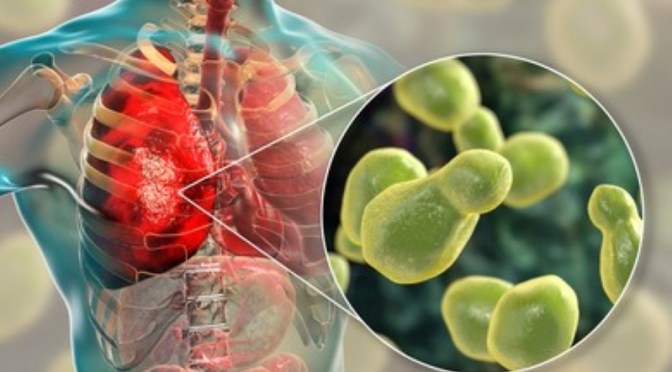
Cryptococcus neoformans and gattii are fungi that most commonly infect people with immunodeficiency, especially AIDS, which is highly prevalent in Africa. Cryptococcus is the final cause of death in perhaps 25% of AIDS patients and preventative treatment is sometimes used if the lymphocyte count is too low.

It is an opportunistic fungus, with similarities to pneumocystis carina, which is discussed in a previous entry.

The areas in the body most commonly affected are the lungs, the skin, and the brain. The lung and skin, being exposed to the environment, are the most common entry points for the fungus, and the brain is a frequently involved area. Chronic meningitis, where the symptoms include headache, blurred vision, and confusion, is frequently caused by cryptococcus.

Sometimes, in healthy people, the skin can be infected with “pigeon breeders disease”. Pigeon droppings are a very common source of cryptococcus organisms.

Infection In the lung is usually restricted to immunocompromised individuals, who develop cough, shortness of breath, and fever. Pulmonary cryptococcosis is a slowly developing disease, can be mistaken for tuberculosis, and frequently gets into the bloodstream and then into the brain.

Treatment is usually with amphotericin B and flucytosine.

—Dr. C.

Read more

DR. C’S JOURNAL: IT PAYS TO BE KIND TO YOUR STOMACH

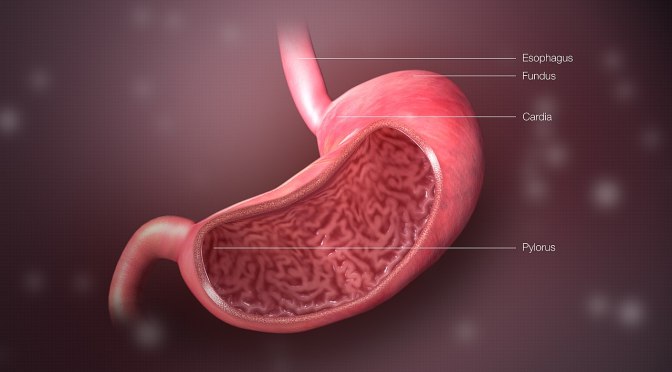
This whipping boy of humanity is regularly insulted by all sorts of concoctions dictated by our taste buds and psyche, not to mention the many drugs required to treat our poor health. It is amazing how much abuse it can absorb with minimal complaint.

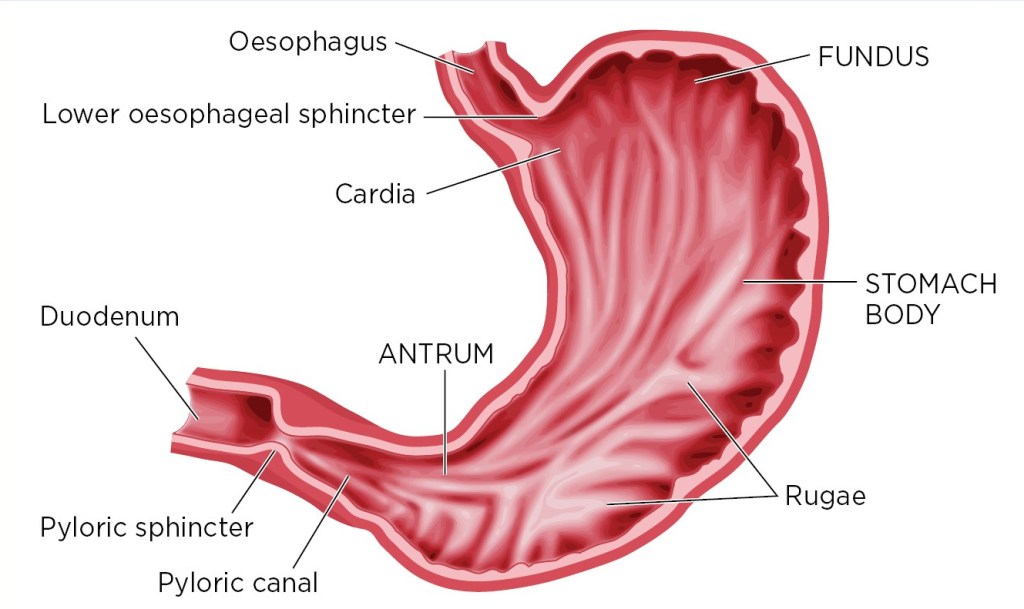
The stomach has evolved as a “fiery pit” of high acid content to intercept various bacterial invaders. Fortunately a few escaped to populate our intestinal tracts, where they are mostly beneficial. One bacterium in particular evolved to tolerate the high acidic conditions of the stomach, like extremophile bacteria tolerate the “smoking vents” underneath the sea. This is the famous helicobacterium pylori, which caused most gastric ulcers in the early days of my medical career. Ulcers were then treated by an ongoing special diet. Now they are treated by a simple course of antibiotics.

The stomach evolved a special lining to tolerate the acid, and a valve to keep it in place. Over time this valve may weaken, allowing the acid to reflux back into the swallowing tube, the esophagus. This produces the familiar heartburn that most of us have experienced, and if chronic, can produce inflammation and the condition called Barrett’s esophagus, which frequently leads to gastric cancer.

Gastric cancer comprises only about 1.5% of cancers in the United States, but in Korea it is the most common cancer. This may be because of the Korean diet, Which often finds nitrites in close proximity to proteins, which donate an amine group to form the carcinogen nitrosamine.

I have begun a time restricted eating program, where I eat my entire days food within a six hour window. My stomach has seemed to tolerate this, but I have noticed that when I eat a lot of fat late in the day (I like half-and-half on my oatmeal) my stomach will object. Alcohol does the same thing, and when I was in medical school we used to give a dose of alcohol to stimulate stomach acid production, as a test.

If you have a lot of pain in the area of the stomach (the epigastrium), chronic heartburn or trouble swallowing chunks of meat, you may well need to see a gastroenterologist, who will look into the esophagus and stomach to check for problems.

Please check the following Mayo clinic articles for more information.

—Dr. C.

Read more

DR. C’S MEDICINE CABINET: ‘CELEBREX’ (NSAID)

NSAIDs are a  common pain medication. Younger people with no underlying diseases take them all the time for headaches, sprained ankles, and other injuries.

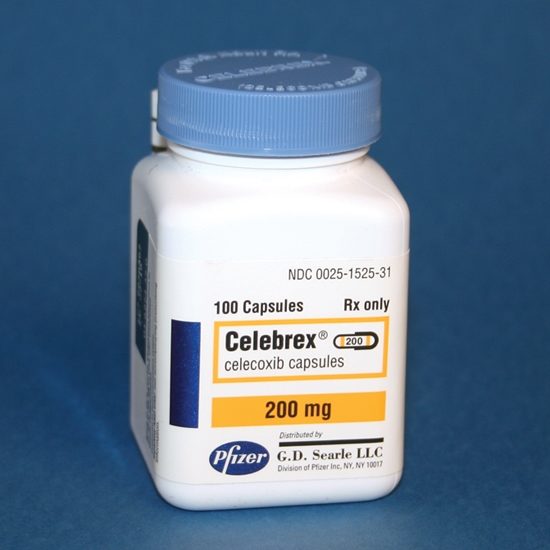
I have an underlying stomach problem that makes me want to minimize the gastrointestinal side effects when I need an NSAID medication, and for that reason I have 100 mg Celebrex, or celecoxib in my medicine cabinet.

I am fortunate not to have much severe pain, although I do have osteoarthritis in my hand, and infrequent abdominal pain from a small bowel surgery.

Celebrex is my magic bullet whenever I have pain from diverse causes such as in my legs; I do have a very active exercise program of an hour a day in the morning and a half an hour in the evening.

The Cox 2 inhibitor‘s were initially touted as being able to avoid the stomach problems caused by the non-selective  NSAIDs. Unfortunately, several of them, such as vioxx, were associated with more heart attacks, a 45% increase, and they were removed from the market . Celebrex was a survivor from this group, but it still tends to cause an increase in blood pressure.

Whenever you take any medication, it’s always a trade-off;  relief from the problem at hand, traded for the inevitable side effects. There is no powerful medication that has only the desired activity, and  most people are better off with a healthy lifestyle than taking medication.

Another advantage with medication avoidance is that when you take the medication, it tends to work a whole lot better. At least I have found that to be true, and celecoxib is my magic pain medication, which has salvaged countless nights of sleep.

—Dr. C.