
Category Archives: Dr. C’s Journal

Dr. C’s Journal: Expired Medications – What To Do

Not too long ago, US government required pharmaceutical manufacturers to place an expiration date on their medications. The drug manufacturers embraced this requirement, since it added to their bottom line.

There are three cogent questions that should be asked:

  1. Can outdated medications cause direct harm?
  2. Do medications become ineffective after their expiration date?
  3. How do you dispose of unwanted medication?

Most sites mention only two medications that can become dangerous as they age, tetracycline, and diclofenac. Neither finding is for certain, but its best not to take these medication‘s if outdated.

Everything degrades with time, and medications are no exception. Those that are compressed into tablets and kept in the dark and dry tend retain potency longer than those in liquid form. Certain medications, such as nitroglycerin and epinephrine are quite prone to oxidation; epiPen, In ready-to-inject needles, in particular should be fresh; Biologics in general should be current. Drugs that are exposed to water, warm or humid conditions, or that are crumbly or have an odor should obviously be discarded. Liquid medication’s of all types, such as eyedrops, should be carefully stored and within their expiration date. One of my eye medications, latanoprost, requires refrigeration, a sure sign of instability.

That being said, the US Army found that 90% of 100 medication‘s were still effective 5 to 20 years after their expiration date. Another study found that some retain their efficacy even after 10 to 40 years.

Another factor to consider is the danger of the disease that is being treated. If you have such things as heart disease, or a severe infection, You should exert greater care.

If you plan to get rid of medication, look around for an organization willing to accept them; Developing countries are looking for such medication.

Avoid flushing medication down the toilet, since it may enter the environment and  be harmful to the ecosystem. Ideally it should be packaged in a container that is difficult to get into, so that children and other individuals may not have access; almost all medications are dangerous if taken in large amounts.

A lot of information is available on the Internet, with a variable amount of suggested precautions, depending upon the site.

I am a physician, and have taken many outdated medications In a pinch, but if I plan taking them for an extended time I usually get a new prescription.

—Dr. C.

Dr. C’s Journal: 2022-23 Respiratory Infections

You should get your flu shot this year. Not only has he influenza Genie been kept in its bottle by Covid precautions, and overdue for a bad year, but the H3N2 serotype circulating around is a good match for today’s vaccine; you may have been disappointed by the lack of protection in the past, due to the vaccine poorly matching the prevalent infecting serotype, caused by the rapid change of the virus and slow changes in the vaccine.

With RSV already making a comeback, influenza likely to be bad, and Covid likely a big problem also, You would be well advised to start going back to your masks, keeping your distance, avoiding large groups, and making sure your inside exposures are well ventilated, not to mention getting the most recent covalent Covid shot, which contains BA.1 and BA.2.

The common cold with running nose, sneezing, and nasal congestion, is usually caused by rhinoviruses, of which there are several hundred serotypes, although can be caused by any of the respiratory viruses. Whenever I traveled, I often came back with a cold because my immunity at home was based on the common rhinoviruses at home, and when I traveled, I encountered different types, to which I was not immune. Many other viral types can also cause the common cold including influenza, para influenza, and even coronavirus. In asthmatic children, the rhinovirus also produces an asthmatic response, often severe.

Croup in children is often produced by parainfluenza type one virus.

Bronchiolitis in children is usually caused by RSV. There is currently no vaccine for RSV.

Influenza, the “flu”,  starts out with chills and fever, often settles into the lung. The influenza virus is usually the initiating culprit, but bacterial infection often follows. Coronavirus infection may start as “the flu” with the respiratory symptoms, such as runny nose, sore throat, and cough following.

Pneumonia is often produced by coronavirus, Especially the early strains. The more recent epidemic strains such as BA .1, Seem to have traded increased transmissibility for less lung affinity.

Avian influenza, H5N1 Is highly lethal with pneumonia, but you catch it from birds rather than people at the present time. Watch out if it ever starts spreading from human to human.

Most respiratory infections begin as a viral infection, which are not affected by antibiotics. Bacterial complications, such as  otitis media, sinusitis, and pneumonia may follow, facilitated by the viruses, which lower immune resistance.

There are a number of antiviral agents, especially for coronavirus and Influenza. RSV may have effective treatments, which are needed particularly in babies.

–Dr. C

Dr. C’s Journal: What Is Achilles Tendinitis?

The Achilles tendon, or “heel cord”, connects your calf muscle to the heel. Overuse can inflame the tendon, or even tear or rupture it, causing a lot of pain.

Sudden increases in intensity of exercise can be a cause. It is more common in men, and as you get older. Running a lot in the soft sand of the beach has caused problems in many of my friends. Achilles tendinitis can be caused by certain antibiotics, such as fluoroquinolones.

Varying your type of exercise, or cross training, distributes the strain you put on your body and decreases the likelihood of Achilles tendinitis. Swimming comes to mind with any disturbance of your lower extremities. The pool in which I swim three days a week is disparagingly called the “injured reserve pool” in my community  Stretching before exercising is always a good idea. Pick a routine and stick with it, particularly as you get older. If you have flat feet, getting a slight lift for the heel may help to take tension off the Heel cord, and orthotics may help. Getting expert advice is always advisable.

Prevention is always far better than treatment.

If a short period of rest doesn’t get rid of the pain, check with your Doctor, who might examine the tendon, take x-rays, or order ultrasounds to check the extent of the difficulty.

—Dr. C.

Read more

Dr. C’s Journal: Plantar Fasciitis And Foot Pain

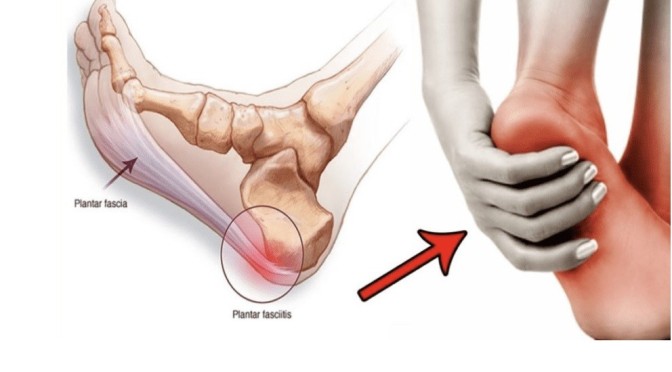
Our feet are subjected to such abuse that it is amazing we don’t have more problems with them. But problems there are, and I have been having some. I will be exploring the different types and causes of foot pain  beginning with this article on plantar fasciitis.

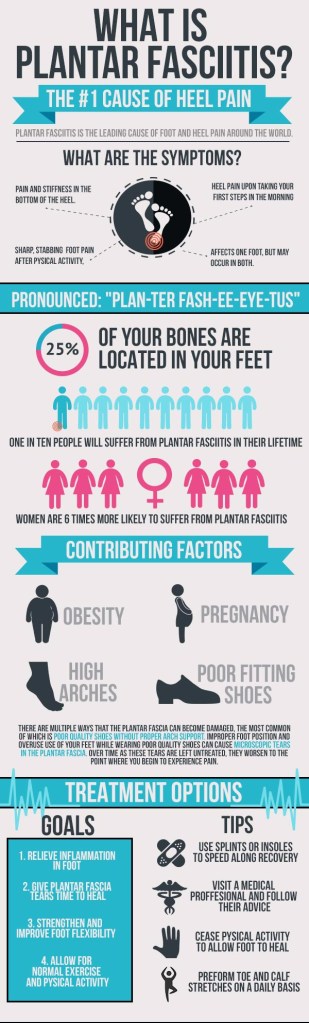
The plantar fascia is a triangular web of connective tissue on the bottom of the foot that begins at the heel and fans out to attach to the toes. With repeated stress, it can become torn or inflamed and caused pain.

The pain of plantar fasciitis is usually centered around the heel, on the bottom of the foot. It is often absent first thing in the morning, produces a stabbing pain on first walking, and goes away with activity; you can “walk it off”. Plantar fasciitis is usually slow to heal and may take several months

The doctor will usually make the diagnosis by your story(history), and the localization of the pain. X-rays, CT scans, and MRIs or necessary only if there’s a suspicion of a stress fracture.

Conservative treatment focuses upon stretching exercises and orthotics, but there are various types of injections, shockwave therapies, ultrasonic tissue repairs, and surgeries that some people need.

A particularly interesting treatment cited was the injection of platelet rich plasma from your own blood to promote healing. I recently read that this technique, in addition to a collagen scaffold  is currently used to treat rupture of the anterior cruciate ligament of the knee.

Of course, prevention is the ideal. Maintaining a healthy weight is important. Supportive shoes, with thick soles and good arch support will help. stretching exercises are also helpful as a preventative.

Please check with the Mayo Clinic article for more information.

—Dr. C.

Read more

Dr. C’s Journal: What Are Symptoms Of Gonorrhea?

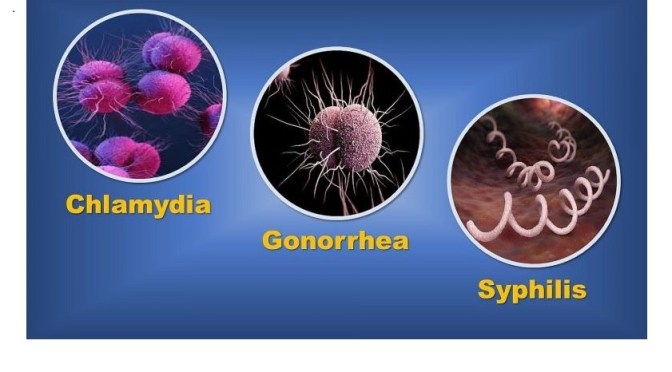
Gonorrhea been present since the earliest times. The United States has one of the highest incidences, and it was very common in colonial America, where it was called “clap”. Adolescents, with their increased sexual activity, have the highest incidence, and girls are somewhat more likely to have it than boys.

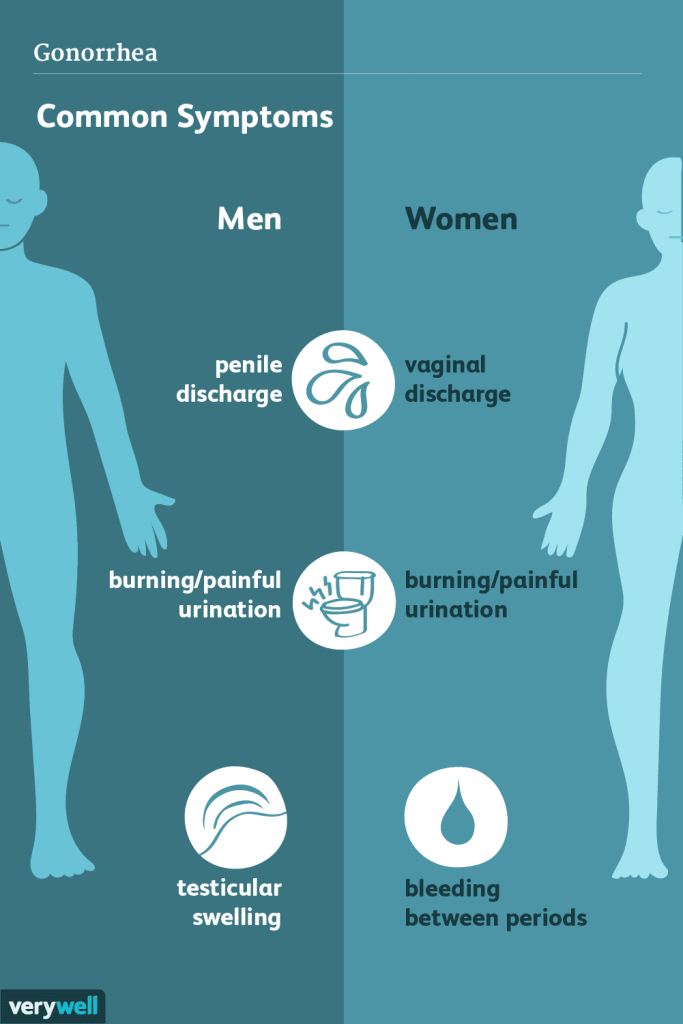
The symptoms have to do with infection and inflammation of the urethra. Burning on urination is almost universal, and purulent discharge and presence of pus in the urine is frequent. The infection is mostly a nuisance, but it can travel up the genito-urinary tract, and into the spermatic ducts in the male or the fallopian tubes in the female, and it is a common cause of sterility and pelvic inflammatory disease, or PID.

With its high frequency in young females, bacterial ointments are routinely applied to the eyes of newborn babies to prevent severe infection and possible blindness.

When I was practicing medicine, the diagnosis was made by culturing for the bacterium neisseria gonorrhea. Now the NAAT, the nucleic acid  amplification test, is the gold standard.

In my practicing  days, penicillin was the magic bullet, but resistance he has developed so that a cephalosporin and azithromycin combination is currently used.

STDs, sexually transmitted diseases, are one of the commonest conditions encountered in student health, according  to a good friend.

Please refer to the attached Mayo Clinic article for more information.

—Dr. C.

Read more

Dr. C’s Journal: Bee Sting Allergies And Reactions

Almost everybody experiences a bee sting sometime in their life, although only a few people have more than a mild reaction to the stings. Adults react more commonly than children, and old people more seriously than young.

Anaphylaxis, which is potentially fatal, is the main worry about bee stings, although if you get stung in your throat, or by 10 or more insects there is risk of problems from the venom alone.

The usual reaction to a bee sting is sudden pain, a small swelling that lessens later in the day, after which there is recovery. A large local reaction can occur where the swelling increases over a 2-3 day period and can last for 7 – 10 days. This is called a large local reaction, and considered to be an allergy, but carries no increased likelihood for anaphylaxis.

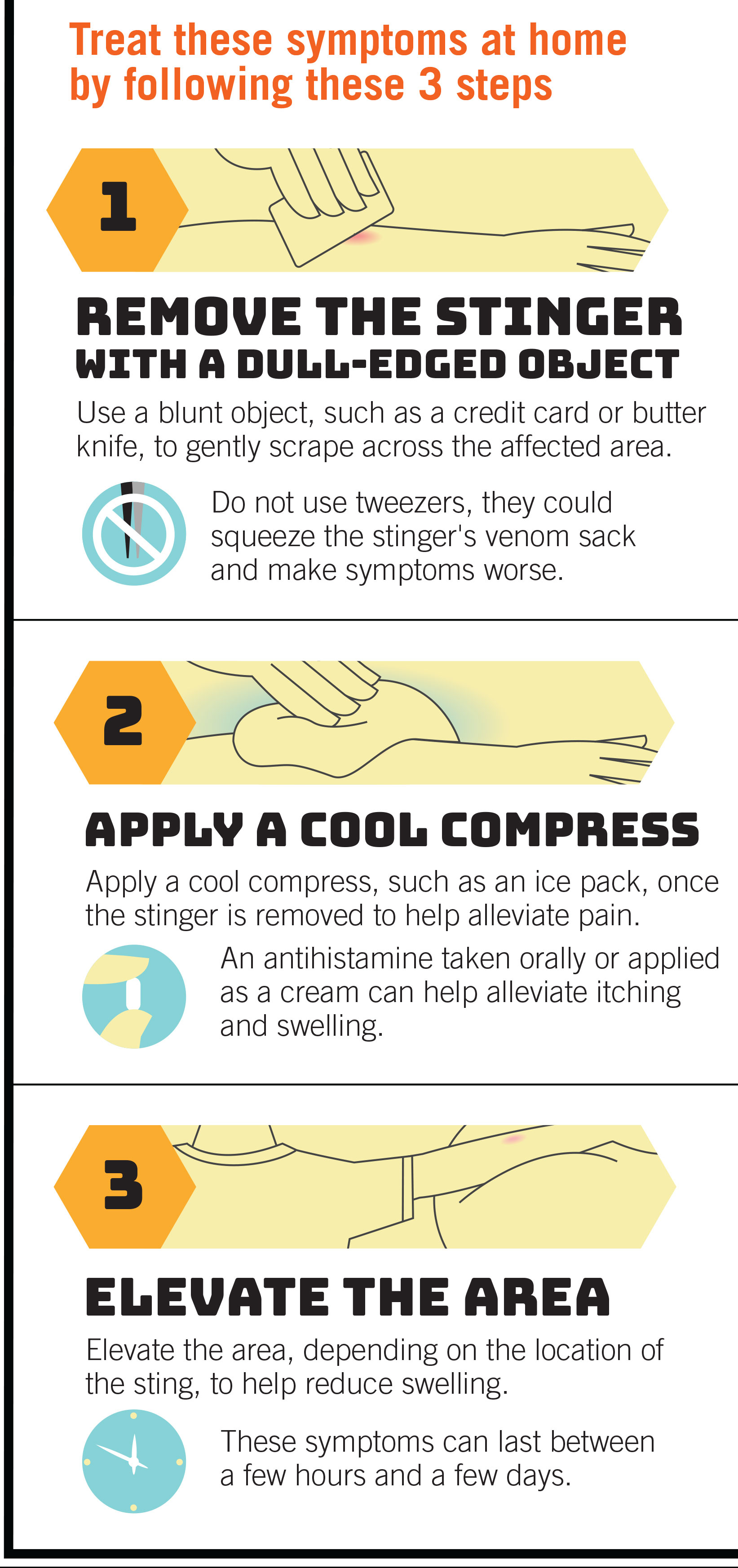
A bee sting with hives developing on the skin but no other symptoms usually requires nothing more than an antihistamine. Interestingly, I had a bee sting on my foot after walking on the beach, became itchy all over and developed hives, received desensitization, and had no more trouble with the several stings I had later.

Anaphylaxis is defined as a reaction distant to the site of the bee sting that involves more than one organ system. For instance you might have hives and wheezing, hives and dizziness, or any number of other combination of organ involvements or sickness.

If anaphylaxis results from the sting, it is best to be referred to an allergist.

Interestingly, bee sting allergy is NOT more common with allergic individuals, even though they may have more severe reactions. Apparently, the sting reactions are dependent upon an excess number of a cell called the mast cell, and this is determined by a serum test for tryptase.

The allergist usually performs skin or blood tests to determine whether there is sensitivity to insect stings; in addition to the Honeybee, yellow jackets and to a lesser degree other stinging insects called Hymenoptera can produce analyphaxis.

Desensitization is the only curative treatment for anaphylactic reactions to stinging insects. In addition, rapidly administered epinephrine or adrenalin, such as an EpiPen, as well as antihistamines, are usually kept on hand for use in case of a bee sting.

When I first started practice, we made our own extracts using the whole bee. Unfortunately, the digestive tract enzymes in the bee destroyed the protein of the venom so that our materials were not sufficiently active. Even after pure venom extracts became available, we also would give injections to individuals who developed hives as the only reaction other than the pain and swelling of the sting. A large study showed that  desensitization for a large local reactions, or hives only, was not warranted.

Medical science continues to advance, and you are well advised to go to the best-trained specialist you can find for bee sting anaphylaxis. Your life may depend on it.

—Dr. C.

Bacteria: The Risks Of Pseudomonas Aeruginosa

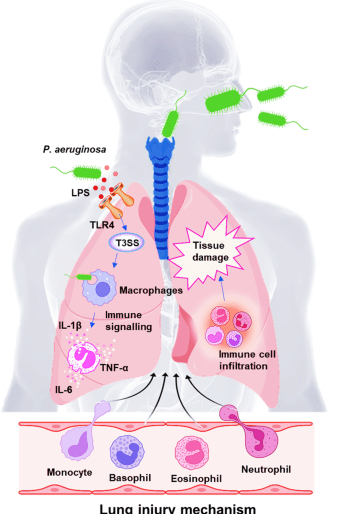
Bacteria have long been classified according to how they are stained by the chemical dye called the Gram stain. Pseudomonas aeruginosa is Gram-negative, compared to the Staph aureus which is gram-positive.

Being Gram negative, Pseudomonas has an extra membrane, the outer membrane, and a shell of a nasty material called Lipo polysaccharide. These extra structures act as a barrier to entrance of antibiotics. In addition, the Pseudomonas has many more genes than the average bacterium and uses these genes for adaptation. For instance, it is good at forming a raft of mutually supporting cells called a biofilm, which enables it to become particularly entrenched. In a condition of the lung called cystic fibrosis, this biofilm contains specialized cells, one of which is called the Persister cell. When Pseudomonas senses that a critical number of bacteria is present, called quorum sensing, the persister cell multiplies to become around 10% of the bacterial population, and slows down their metabolism massively, becoming a sort of “zombie cell”. These cells are very hard to kill and persist through an antibiotic treatment that kills other Pseudomonas cells, only to rev up their metabolism and become active again once treatment is withdrawn.

In addition, Pseudomonas has all of the other resistant talents mentioned in the previous article on Staphylococcus aureus, such  as plasmid acceptance, ability to destroy penicillin, efflux pumps, and rerouting of metabolism.

In trying to control Pseudomonas, techniques other than antibiotics are being tried out of desperation, including interference with a quorum sensing, use of bacteriophages and chemical  elements such as Gallium which masquerades as the iron this bacterium requires.

Pseudomonas is not as actively pathogenic as Staphylococcus aureus, but it has made a great niche for itself in the respiratory tract, especially in people with a compromised immune system, or pulmonary abnormality such as cystic fibrosis. Ventilation tubes and other hospital equipment can become contaminated and spread the infection, unless thoroughly cleansed of Pseudomonas; it is very sensitive to acidic solutions, and those who need nasal CPAP for sleep apnea may recall that they have to rinse their equipment in vinegar, or acetic acid. Swimmers can get an external ear infection with this organism, and the drops for swimmers ear often contains acetic acid.

The next rogue to consider is a frightful yeast called Candida auris.

—Dr. C.

Dr. C’s Journal: MRSA- Methicillin Resistant Staphylococcus Aureus

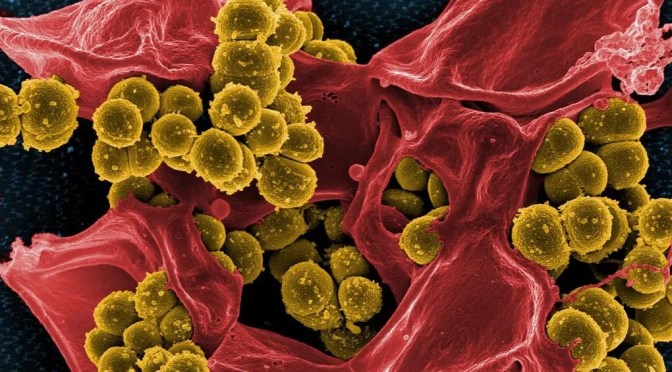
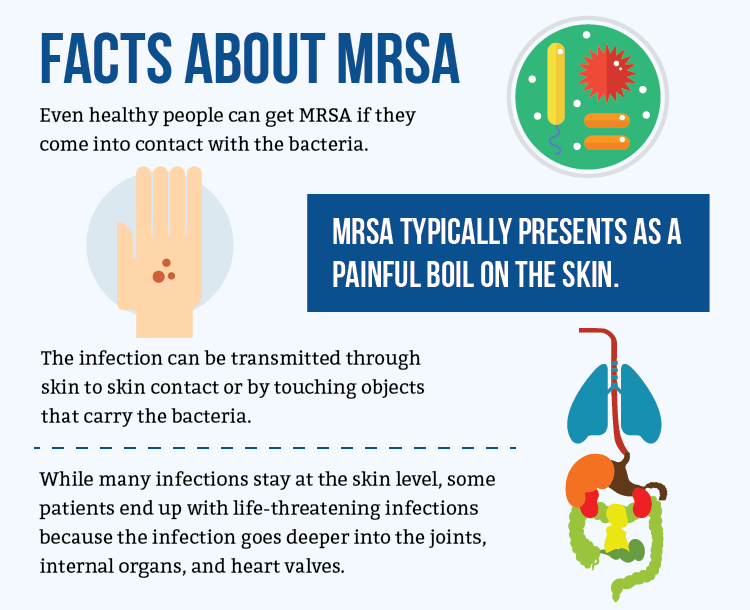
Staphylococcus aureus is a highly successful – eg.BAD – disease producing bacterium, or “pathogen”. From the standpoint of the bacterium, it didn’t know it was so bad, and was merely producing factors that break down its surroundings to produce food for multiplication. Unfortunately, the proteins-ENZYMES- produced by the staphylococcus, In its effort to survive, can cause anything from diarrhea, abscesses, high fevers, shock, and kidney failure to death.

The staphylococcus was very successful for thousands of years, until slowed down by penicillin.

Penicillin attached itself to a critical part of the staphylococcal cell wall, which stopped the bacterium from functioning. The staphylococcus retaliated by producing an enzyme, penicillinase, that destroys penicillin. Humans responded by producing methicillin, which resisted destruction by the penicillinase. The Staph responded again by a genetic change in the target of penicillin, PBP, so that the Methicillin wouldn’t attach, hence the term methicillin resistant staphylococcus aureus, MRSA.

Interestingly, the MRSA can send little packets of genes called “plasmids” to other bacteria, even other species, which take in the packets and allow them to resist methecillin also. This is called horizontal transfer of resistance.

The staphylococcus aureus has many other ways of protecting itself, and is a good example of the various ways a bacterium can deal with antibiotics.

It can prevent the antibiotic from gaining entrance, or pump it out of the cell faster. It can destroy the antibiotic, as with penicillinase. It can modify the bacterial target of the antibiotic, as in the PBP that protects from penicillin. It can also develop an alternative metabolic pathway or structure to bypass the effect of the antibiotic.

THIS IS WAR, similar to the human kind. The offense develops the sword. The defense develops the shield. The offense develops mounted archery. The defense develops the castle and so on.

We’re not so very different from the bacteria, and in fact every single cell of our bodies has descended from an ancestral  bacterial cell that engulfed another bacterium, which became the mitochondrion, a “slave cell” dedicated to producing thousands of times more energy than the simple bacterium, and leading to multicellular organisms.

Each organism develops appropriate defenses. Penicillium molds developed penicillin to protect themselves from bacteria and we took advantage of this. But it is a dynamic process, with both offense and defense having to adapt repeatedly over time.

In the next article, I will be discussing the bacterium Pseudomonas aeruginosa which is not as dynamic as the staph aureus; It specializes in people with problems, and is called a “facultative pathogen”.

However Pseudomonas is particularly good at exploiting its specialized habitat, which is increasing with the popularity of immunosuppressants and insertion of surgical hardware.

—Dr. C.

Read more

Dr. C’s Journal: The Rise Of Antimicrobial Resistance

We are immersed in a vast sea of tiny organisms, microbes, most of which are either helpful or neutral. There are a few bad actors that can harm people and are responsible for plagues of the past, such as the black death, cholera and influenza epidemics.

This whole picture changed in the late 30s with the advent of Sulfonamides, and especially Penicillin, the “magic bullet”. I was practicing medicine early in the days when antibiotics eliminated almost all infections.

In fact, at one time infections were thought to be a problem of the past. Unfortunately, overusage, chronic multiple infections, surgically implanted devices, immune suppression for cancer and autoimmune diseases have allowed bacteria, fungi and viruses to evolve resistance mechanisms.

At the present time there are a number of bacteria, such as staphylococci, actino bacteria, enterococci, and candida that are essentially untreatable. Even if they are somewhat treatable, second and third level antibiotics are so toxic that they can cause problems with the kidney, liver, or heart.

In later postings, I plan to consider specific organisms and the situations in which they operate. I will also eventually talk about efforts to create new antibiotics by harvesting genetic material from unusual places, even our oceans.

—Dr. C.

Dr. C’s Journal: Signs & Symptoms Of Prostatitis

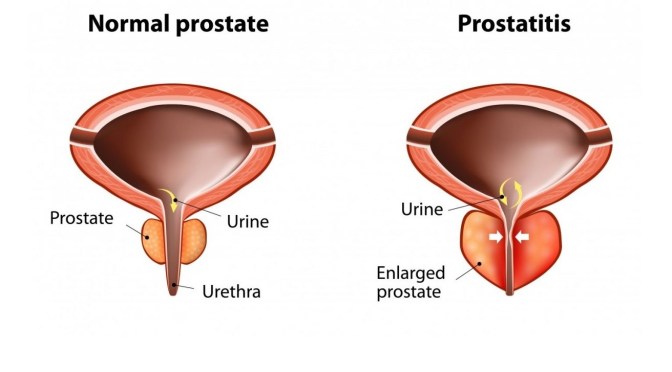
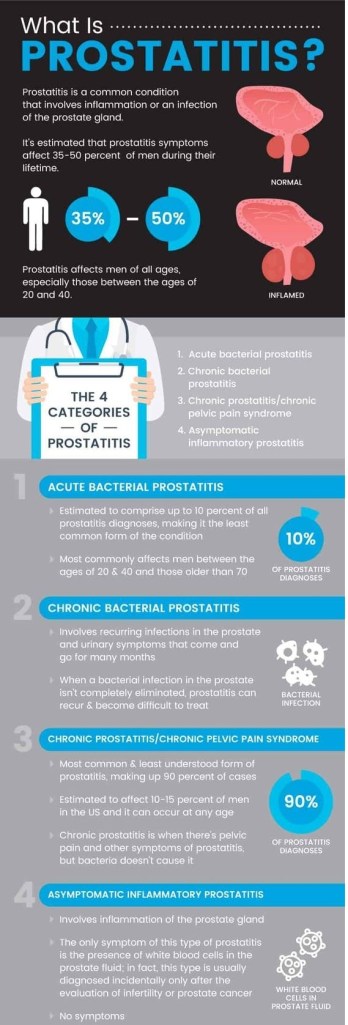
Prostatitis seems to be a catchall diagnosis varying anywhere from clear cut acute bacterial infection of the prostate gland with burning on urination, fever, positive cultures, and response to antibiotics, through recurrent nagging symptoms that can include pain on urination, urine flow obstruction, sexual dysfunction, blood in the urine, and chronic pain syndromes affecting the pelvic region.

Prostatitis constitutes perhaps 10% of urology practice, and is often frustrating to patients and physicians alike.

Symptoms are shared with BPH and prostate cancer, which are more clear-cut entities with standard diagnosis and treatment.

Prostate and bladder stones can give similar symptoms on rare occasions. STDs can be a diagnostic consideration in people with multiple sexual partners, and with international travel, we mustn’t forget parasitic infections.

From the patient’s standpoint, the important thing is to find a good urologist who can sort out the symptoms and find a proper diagnosis and treatment plan.

Please refer to the following Cleveland clinic article for a more orderly discussion.

—Dr. C.

Read more