
A weekly podcast on the latest medical, science and telehealth news.
Tag Archives: Opinion
DOCTORS PODCAST: MEDICAL & TELEHEALTH NEWS (OCT 31)
A weekly podcast on the latest medical, science and telehealth news.
DOCTORS PODCAST: MEDICAL & TELEHEALTH NEWS (OCT 25)
A weekly podcast on the latest medical, science and telehealth news.
DOCTORS PODCAST: MEDICAL & TELEHEALTH NEWS (OCT 16)
A weekly podcast on the latest medical, science and telehealth news.
DOCTORS PODCAST: MEDICAL & TELEHEALTH NEWS (OCT 9)
A weekly podcast on the latest medical, science and telehealth news.

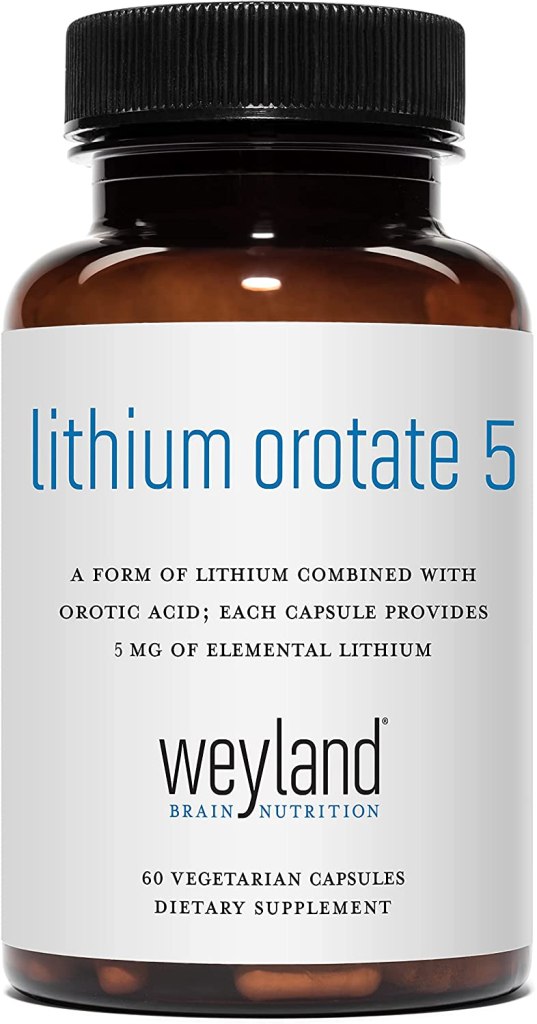
DR. C’S MEDICINE CABINET: LITHIUM OROTATE
Lithium’s big claim to medical fame is it’s beneficial effect on manic depressive disorders in approximately 1/3 of the cases. It seems to benefit the manic phase more than the depressive phase, and its effect on isolated depression is uncertain.
A recent report states that lithium works by increasing CRMP 2, which has an effect on tubulin in nerve cells. This report has not yet been confirmed.
When lithium is effective, it must be given in a dose that is almost toxic. People taking this drug should have lithium levels on a regular basis, and be alert to its numerous side effects, diarrhea, lethargy, and the like. It may also have an adverse effect on thyroid function.
I started taking low doses of lithium orotate a while back because of the touted effects on memory, mitochondrial function, and the like. I thought that our hunter gatherer ancestors probably had some exposure to lithium from the Hot Springs present in many areas, and that maybe lithium was a physiologic necessity. Sodium and potassium are highly regulated ions in the cell membrane of all cells, I thought, so why should not lithium, a kindred element, have some effect there.
Lithium carbonate is the form that is used for treatment of manic depressive disease, and lithium orotate has not been well studied.
When one starts taking a dietary supplement, it is hard to tell whether or not it has any effect. Our bodies are complicated, and even if something does have an effect, the bodies corrective mechanisms can nullify that effect, or even cause a reverse effect,
After further thought, I plan to start phasing out my lithium orotate. Maybe once a week would be a reasonable dosage, if at all. With irregular dosages, if I notice that I feel better on a day when I take lithium orotate, I might change my mind.
—Dr. C.
DOCTORS PODCAST: MEDICAL & TELEHEALTH NEWS (SEP 26)
A weekly podcast on the latest medical, science and telehealth news.
DR. C’S JOURNAL: PROTEIN-BASED MEDICATIONS
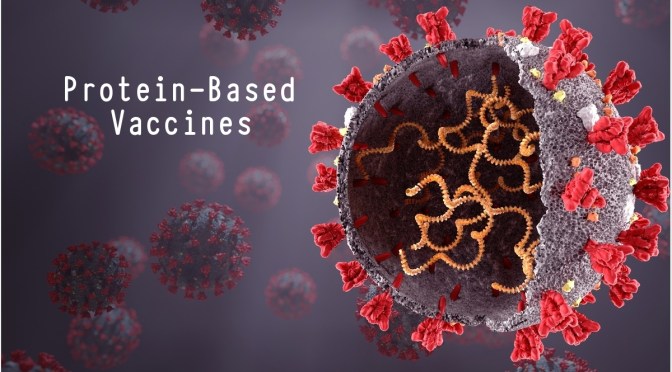
Proteins, the very structure of life itself, are currently being understood with increasing precision. This will undoubtedly lead to a new generation of medications useful in treating a wide variety of diseases. Such proteins could be coded by DNA or RNA, and churned out by veritable protein factories, yeasts.
This could drastically lower the cost of such medications, which are more stable than RNA, allowing easier distribution and storage. DNA and RNA advances are currently getting all the press, with CRSPR advances in manipulating their structure. Indeed, the RNA vaccines by Moderna and Pfizer have been a rapidly deployed life saver with the COVID-19 epidemic. Correction of genetic disease is also possible in rare instances, if only one gene causes the disease.
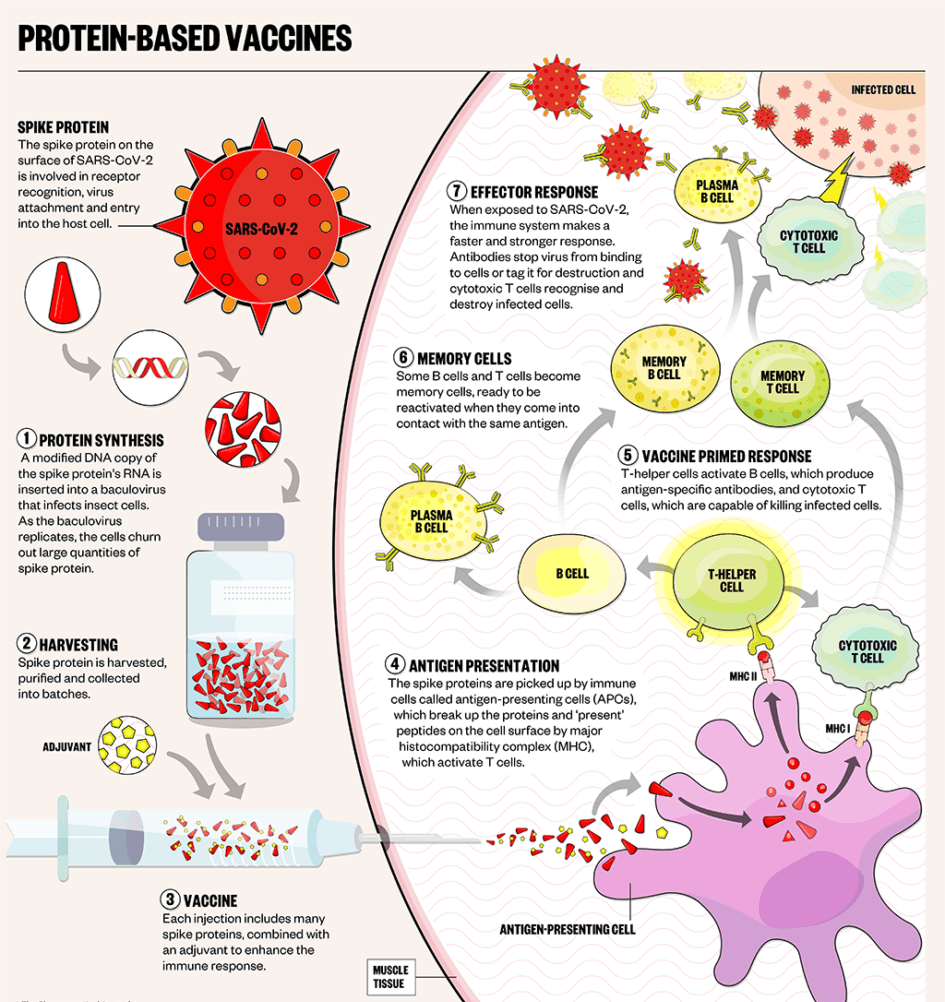
PROTEINS, the result of DNA and RNA activity, form the basis of a vast array of signaling molecules, offering many possible treatments of disease.
The reason why advances in protein chemistry has been slow, is that protein is a very large molecule that exercises its effects by its three dimensional structure.This is formed by the loops,foldings, twists, and bunchings of its amino acid string. A molecule’s three-dimensional structure is very expensive to determine at the present time,
Encouraging scientists to attempt predicting the structure by knowing the electric charges and other sticky characteristics of different parts of that amino acid string. Recently, artificial intelligence has come to the rescue, and the field is advancing rapidly.
Novel vaccines are being developed, using small protein pieces of the COVID-19 antibody combining site. Pieces of proteins are being designed that can stick to that antibody combining side and prevent it from attaching. Novel signaling blockers, or even agonists, are looking increasingly possible.
I thought you would like to know about this little island of optimism in the midst of all the gloom. My interest in PROTEINOMICS was fueled by an excellent article in the Scientific American July 2021 issue, by science journalist Rowan Jacobson, who presents the story in a very interesting fashion. I would very much recommend the reading of this article.
–Dr. C
DOCTORS PODCAST: MEDICAL & TELEHEALTH NEWS (JULY 31)
A weekly podcast on the latest medical, science and telehealth news.
DOCTORS PODCAST: MEDICAL & TELEHEALTH NEWS (JULY 17)
A weekly podcast on the latest medical, science and telehealth news.
 Doctors Without Waiting Rooms