Tag Archives: Molds

Fungal Infections In The Lungs: Aspergillus

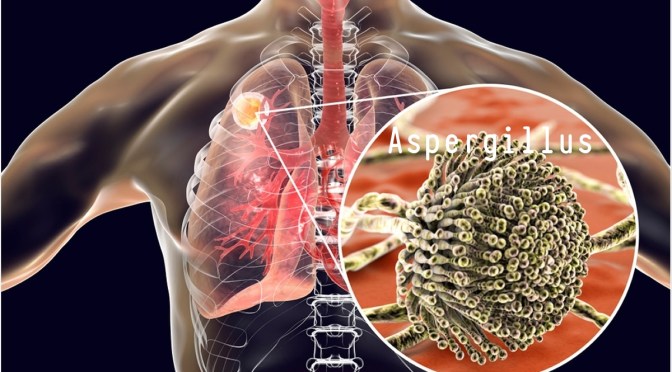
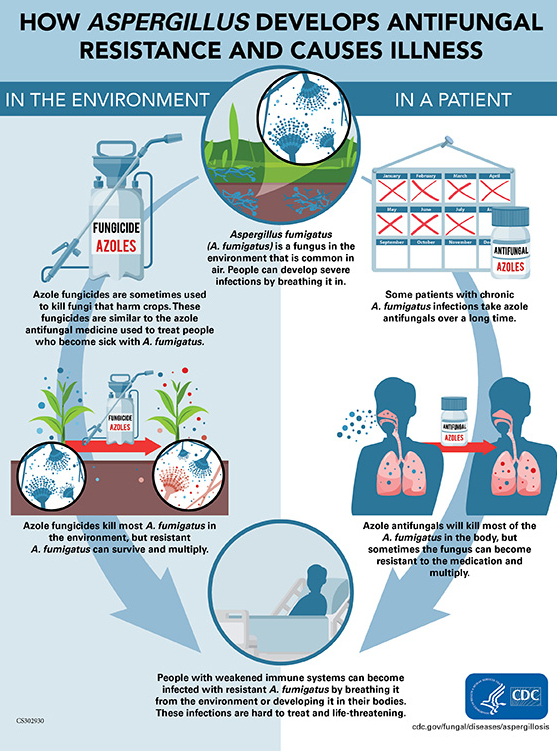
The genius aspergillus is a Fungus extremely common throughout the world. It is in the air almost everywhere, and it’s estimated that most people breathe hundreds of Aspergillus spores into their lungs daily. It affects almost exclusively people with compromised immune systems or with underlying respiratory illness.

COMPROMISED IMMUNITY is often present in people with diabetes, obesity and malnutrition, The very young and very old, Viral infections, particularly AIDS and Covid, cancer, autoimmune diseases, organ transplants, and the list goes on. With the advances in medicine in the past few decades, people are being kept alive longer, often by suppressing their own immunity.
UNDERLYING REPIRATORY ILLNESS is disease such as asthma, cystic fibrosis, sarcoidosis, tuberculosis and COPD.

When I was in an allergy practice, we were always on the alert for allergic bronchopulmonary aspergillosis in asthmatics who were difficult to control. ABPA at that time was reported mainly in England, which is unsurprising due to the wet British climate: fungi grow especially well where is wet.

Another unusual phenomenon is the Aspergillus fungus ball in the lungs, which is sometimes discovered only by chest x-ray. That such a dense mass of fungi could be tolerated in the lungs without invading the body is a tribute to the immune system‘s efficacy.

Galactomannan is in the cell wall of aspergillus, and can be used as a diagnostic test. PCR can also be used, shades of COVID-19. Of course x-ray, or microscopic study of tissues are also often used.

It is  estimated that aspergillosis accounts for around 600,000 deaths annually. Africa, with its large number of AIDS patients, contributes heavily to this. It’s difficult to know how common it is in the United States, because aspergillus is not a reportable illness. Please check with the following mayo clinic article for more information.
–Dr. C

Mayo Clinic article

THE DOCTORS 101 CHRONIC SYMPTOMS & CONDITIONS #18: SKIN INFECTIONS

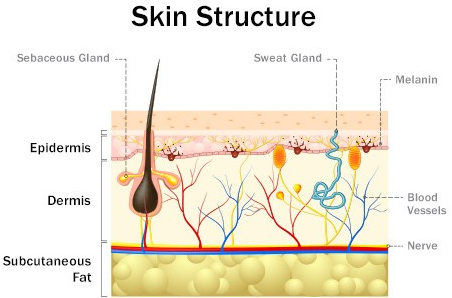
The skin is the protective barrier between the inside of our bodies and the outside world of microorganisms, parasites and toxins. It is often the site of inflammation and infections.

In past times, before the advent of cleanliness and antibiotics, mankind was plagued by erysipelas, boils, carbuncles, and other severe infections of the skin, which are rarely seen now. The beta hemolytic streptococcus and Staphylococcus aureus were ubiquitous in the past, and mostly are contained today.

Severe Infections presently require some skin abnormality, immune deficiency, neglect, animal bite or other breach of skin integrity to be a problem. Antibiotic resistance, however, is allowing some organisms like MERSA to make a comeback.

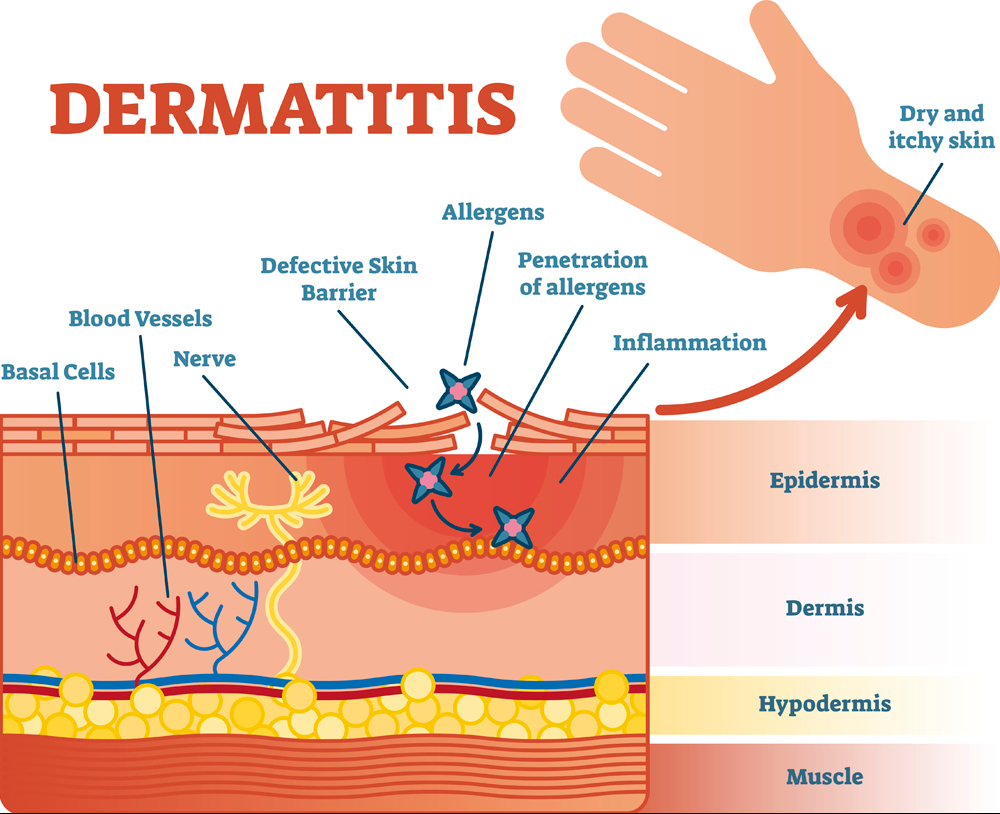
ECZEMA. or Atopic Dermatitis, was common in my medical practice. This condition weakens the skin barrier, allowing Staphylococcal infection to gain a foothold. In my day, If there were a flare of eczema severity, antibiotics would often help. Leg edema and swelling. such as from heart failure, especially coupled with diabetes and blood vessel disease is also an invitation to infection, such as cellulitis.

Redness, swelling, warmth and pain- the classic rubor, tumor, calor and dolor- as well as swollen local lymph nodes and fever often betray infection of the skin. Please see the recently posted infographic on celulitis.

IMMUNE DEFICIENCY raises the likelihood and risk of severe skin infections. Infection from “flesh-eating bacteria”, often beta hemolytic streptococci in deep tissue planes , is a medical emergency. Immediate surgery is often needed.

Disproportionate PAIN after injury or surgery is often a clue. Certain age groups have characteristic skin infections, such as the scalded skin syndrome of infants, and the acne of adolescents. Viruses, molds, and arthropods can also infect the skin.

Viruses, such as herpes in particular can simulate bacterial infection. Ringworm from fungi is easy to distinguish, but arthropod bites, and especially bee sting can look very much like bacterial infection. Scabies and mite infestation are so itchy as to be distinct.

Topical antibiotics applied on skin breaks like cuts or breaks are useful in preventing infection. These ointments and creams are like “artificial skin”. Once again, prevention is key.

–Dr. C.