Tag Archives: Immune deficiency

THE DOCTORS 101 CHRONIC SYMPTOMS & CONDITIONS #54: ORAL THRUSH


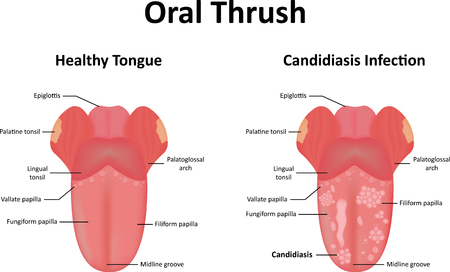
Thrush is an infection of the mouth with an organism called candida albicans. It is most common in the newborn and with young children, but can occur in adults if they have an immune deficiency,  use corticosteroid inhalers, are diabetic, or take broad-spectrum antibiotics.
A combined mother–child problem can occur with breast-feeding mothers in the newborn period. The mother’s  nipples may become infected, giving it to the baby, and they can pass back and forth. A baby who has thrush is also susceptible to diaper rash caused by candida.

There is a sense of irritation and some pain associated with thrush in the mouth, the diaper area, and the nipples. Thrush appears as cottage cheese-like areas on the throat and tongue.

The normal immunity usually keeps thrush at bay. In a newborn, however, the immune system is not fully developed. Sometimes the hormones of pregnancy facilitate thrush in the mother. Diabetes and smoking can also allow thrush.

Sometimes the thrush infection will go down into the swallowing tube, the esophagus, and produce inflammation. This can cause pain on swallowing, and is most common in AIDS and other immunodeficiency states.

Treatment of surface candida infections like throat is usually with Mycostatin– containing mouthwashes or creams. If it spreads beyond the surface, however, you will need more potent medications. Candida albicans is everywhere, and your immunity is your main defense against it.

Keep your immunity as solid as possible naturally, with good sleep, diet and exercise.
—Dr. C.

Read more

THE DOCTORS 101 CHRONIC SYMPTOMS & CONDITIONS #18: SKIN INFECTIONS

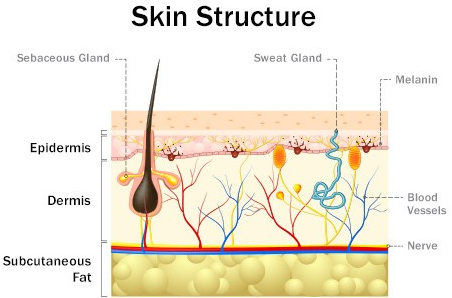
The skin is the protective barrier between the inside of our bodies and the outside world of microorganisms, parasites and toxins. It is often the site of inflammation and infections.

In past times, before the advent of cleanliness and antibiotics, mankind was plagued by erysipelas, boils, carbuncles, and other severe infections of the skin, which are rarely seen now. The beta hemolytic streptococcus and Staphylococcus aureus were ubiquitous in the past, and mostly are contained today.

Severe Infections presently require some skin abnormality, immune deficiency, neglect, animal bite or other breach of skin integrity to be a problem. Antibiotic resistance, however, is allowing some organisms like MERSA to make a comeback.

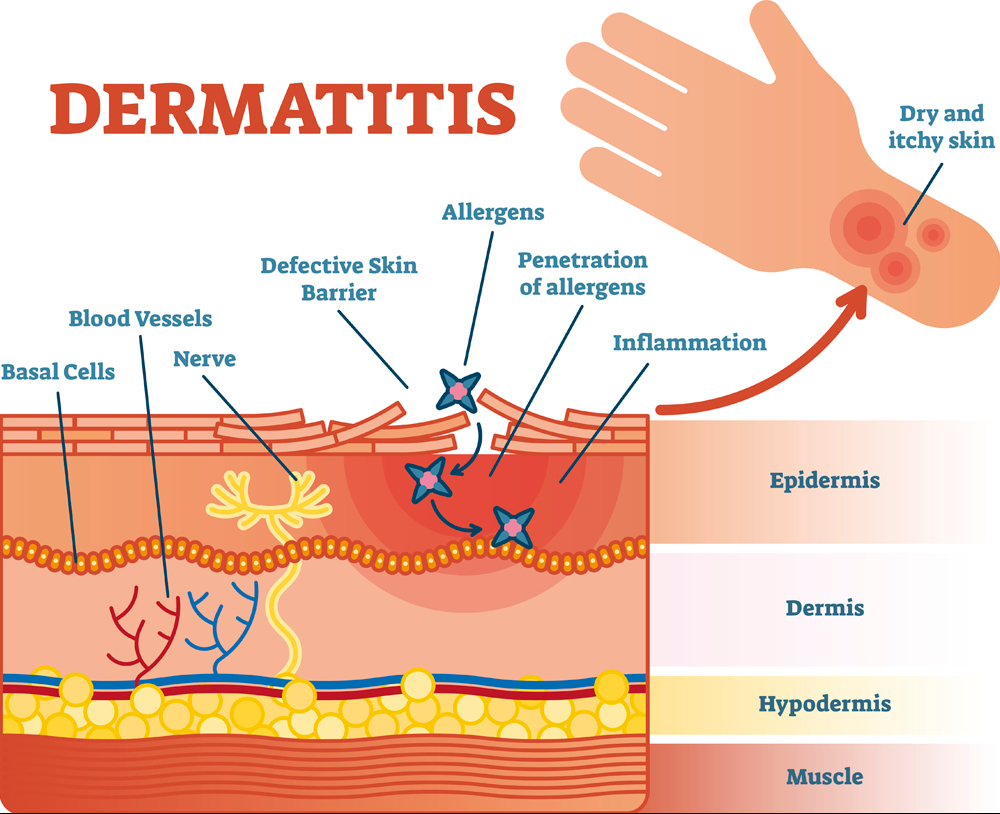
ECZEMA. or Atopic Dermatitis, was common in my medical practice. This condition weakens the skin barrier, allowing Staphylococcal infection to gain a foothold. In my day, If there were a flare of eczema severity, antibiotics would often help. Leg edema and swelling. such as from heart failure, especially coupled with diabetes and blood vessel disease is also an invitation to infection, such as cellulitis.

Redness, swelling, warmth and pain- the classic rubor, tumor, calor and dolor- as well as swollen local lymph nodes and fever often betray infection of the skin. Please see the recently posted infographic on celulitis.

IMMUNE DEFICIENCY raises the likelihood and risk of severe skin infections. Infection from “flesh-eating bacteria”, often beta hemolytic streptococci in deep tissue planes , is a medical emergency. Immediate surgery is often needed.

Disproportionate PAIN after injury or surgery is often a clue. Certain age groups have characteristic skin infections, such as the scalded skin syndrome of infants, and the acne of adolescents. Viruses, molds, and arthropods can also infect the skin.

Viruses, such as herpes in particular can simulate bacterial infection. Ringworm from fungi is easy to distinguish, but arthropod bites, and especially bee sting can look very much like bacterial infection. Scabies and mite infestation are so itchy as to be distinct.

Topical antibiotics applied on skin breaks like cuts or breaks are useful in preventing infection. These ointments and creams are like “artificial skin”. Once again, prevention is key.

–Dr. C.